Reviewed by: Dr. Hal and Gameday's Medical Advisory Board
If you're struggling with low testosterone levels, you're not alone. Many men experience symptoms like fatigue, decreased libido, and mood changes that can really take a toll on their quality of life. The good news is, testosterone replacement therapy (TRT) is a treatment option that can help restore your testosterone to healthy levels and get you feeling like yourself again.
But what exactly is TRT and how does it work? In this beginner's guide, we'll break down the basics of testosterone replacement therapy, including what causes low testosterone, how TRT is administered, and what kind of results you can expect from treatment. We'll also clear up some common misconceptions about TRT to help you separate fact from fiction.
What is Testosterone Replacement Therapy (TRT)?
Testosterone replacement therapy is a medical treatment designed to supplement or replace testosterone in men who have low levels of this important hormone. Testosterone is the main male sex hormone, produced mainly in the testicles. It plays a key role in male development, sexual function, muscle mass, bone density, red blood cell production, and overall well-being.
TRT involves giving testosterone through various methods, such as:
- Intramuscular injections: Testosterone is injected directly into the muscle, usually every one to two weeks.
- Transdermal patches or gels: These are applied to the skin daily, allowing testosterone to be absorbed into the bloodstream.
- Oral medications: Testosterone undecanoate is an oral form of TRT taken daily with meals.
The goal of TRT is to get your testosterone levels back to a healthy range, typically between 300-1000 ng/dL. This can help relieve symptoms associated with low testosterone and improve your overall quality of life. Patient satisfaction surveys have shown that the majority of TRT patients experience improvements in energy, libido, mood, and muscle mass.
Causes of Low Testosterone in Men
Testosterone levels naturally go down with age, typically starting around age 30. This gradual decrease is a normal part of the aging process. But some men experience a more significant drop in testosterone, leading to a condition called hypogonadism.
Hypogonadism can be caused by various factors, including:
- Testicular injury or infection: Damage to the testicles can impair testosterone production.
- Certain medications: Some drugs, such as opioids and glucocorticoids, can suppress testosterone production.
- Pituitary gland disorders: The pituitary gland stimulates the testicles to produce testosterone. Tumors or other issues with this gland can lead to low T.
- Obesity and chronic illness: Conditions like diabetes, liver or kidney disease, and obesity are associated with lower testosterone levels.
It's important to note that having some symptoms of low testosterone doesn't necessarily mean you have hypogonadism. Other factors, such as stress, sleep deprivation, and an unhealthy lifestyle can also contribute to these symptoms. A full evaluation by a healthcare provider is necessary for an accurate diagnosis.
Diagnosing Low Testosterone: When is TRT Needed?
If you're having symptoms that suggest low testosterone, your doctor will likely recommend a blood test to check your testosterone levels. Because testosterone levels go up and down throughout the day, the blood sample is usually drawn early in the morning when levels are highest.
If your testosterone level is below 300 ng/dL on more than one occasion and you have symptoms of hypogonadism, your doctor may diagnose you with low testosterone and recommend TRT. But before starting treatment, your doctor will likely do some additional tests to rule out other potential causes of your symptoms, such as thyroid issues or sleep apnea.
It's also important for your doctor to talk with you about the potential risks and benefits of TRT. While TRT can be very effective for many men, it's not right for everyone. For example, TRT is generally not recommended for men with prostate or breast cancer, as testosterone can stimulate the growth of these tumors.
Your doctor will also likely keep a close eye on your testosterone levels and symptoms during treatment to make sure the therapy is working as intended and to watch for any potential side effects. Adjustments to your dosage or delivery method may be necessary to optimize your results and minimize risks.
How is Testosterone Replacement Therapy Administered?
Testosterone replacement therapy can be given in several ways, each with its own advantages and considerations. The most common forms of TRT include:
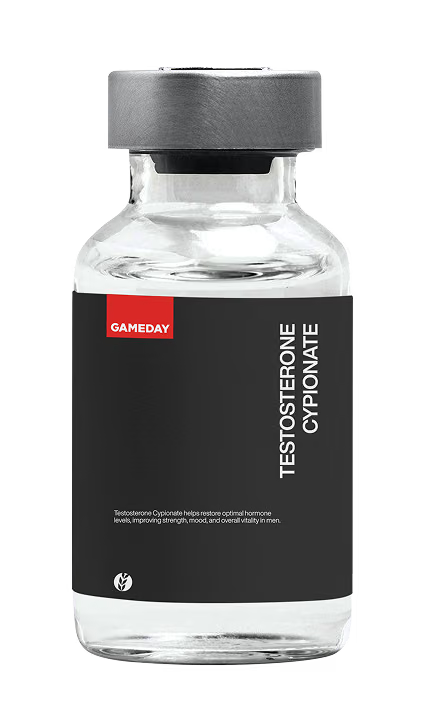
- Intramuscular injections: Testosterone cypionate or enanthate is injected into the muscle, usually in the buttocks, every one to two weeks. This method allows for dose adjustments and can be cost-effective, but requires regular office visits or self-injection.
- Transdermal gels or patches: Testosterone gel is applied daily to the skin, typically on the upper arms, shoulders, or thighs. Patches are applied to the skin and replaced every day. These methods provide a steady release of testosterone and are convenient, but can be expensive and may transfer to others through skin contact.
- Testosterone undecanoate injections: This longer-acting form of testosterone is injected into the muscle every 10-14 weeks. It provides a stable level of testosterone but requires more frequent office visits compared to other injection methods.
- Implantable pellets: Small pellets containing testosterone are surgically inserted under the skin, usually in the buttocks or hip area, every 3-6 months. This method provides a consistent release of testosterone but requires a minor surgical procedure for insertion and removal.
Your doctor will work with you to determine the most appropriate form of TRT based on your individual needs, preferences, and medical history.
Benefits of Testosterone Replacement Therapy
When given under proper medical supervision, TRT can offer numerous benefits for men with diagnosed hypogonadism. These may include:
- Improved sexual function: TRT can increase libido, enhance erectile function, and improve overall sexual satisfaction.
- Increased muscle mass and strength: Testosterone plays a key role in building and maintaining muscle mass. TRT can help increase lean body mass, strength, and physical performance.
- Better bone density: Testosterone helps maintain strong bones. TRT can increase bone mineral density, reducing the risk of osteoporosis and fractures.
- Enhanced mood and cognitive function: Low testosterone levels have been associated with depression, fatigue, and cognitive issues. TRT may improve mood, energy levels, and concentration.
- Improved body composition: TRT can help reduce body fat, particularly abdominal fat, and increase lean muscle mass, leading to a healthier body composition.
- Better cardiovascular health: Some studies suggest that TRT may improve certain cardiovascular risk factors, such as cholesterol levels and insulin sensitivity, in men with hypogonadism.
It's important to note that the benefits of TRT are most pronounced in men with clinically diagnosed hypogonadism. Men with normal testosterone levels are unlikely to experience significant improvements from TRT.
Potential Risks and Side Effects of TRT
As with any medical treatment, TRT carries potential risks and side effects. These may include:
- Acne and oily skin: Testosterone stimulates the sebaceous glands, which can lead to increased oil production and acne.
- Sleep apnea: TRT may worsen pre-existing sleep apnea or even cause it in some men.
- Enlarged prostate: Testosterone can stimulate the growth of the prostate gland, potentially worsening benign prostatic hyperplasia (BPH) symptoms.
- Polycythemia: TRT can stimulate the production of red blood cells, leading to an abnormally high blood count (polycythemia), which may increase the risk of blood clots.
- Gynecomastia: In some cases, TRT can cause the development of enlarged breast tissue in men.
- Infertility: Exogenous testosterone can suppress the production of sperm, potentially leading to infertility. This effect is usually reversible once TRT is discontinued.
- Cardiovascular risks: Some studies have suggested that TRT may increase the risk of cardiovascular events, such as heart attack and stroke, particularly in older men or those with pre-existing heart disease. However, recent research suggests that the rate of cardiovascular or cerebrovascular events is not significantly different between testosterone and placebo groups, though more long-term studies are needed.
Before starting TRT, it's crucial to have a thorough discussion with your healthcare provider about the potential risks and benefits, as well as any pre-existing health conditions you may have. Regular monitoring of your testosterone levels, blood counts, prostate health, and other parameters is essential to ensure the safety and effectiveness of your treatment.
Is TRT Right For You? Discussing Options With Your Doctor
Deciding whether testosterone replacement therapy is right for you is a decision that should be made in close consultation with your healthcare provider. If you're experiencing symptoms suggestive of low testosterone, such as decreased libido, erectile dysfunction, fatigue, or mood changes, it's important to have an open and honest conversation with your doctor.
Your doctor will likely start by taking a thorough medical history and doing a physical exam. They may ask about your symptoms, lifestyle factors, and any medications you're taking. They will also likely order blood tests to measure your testosterone levels and rule out other potential causes of your symptoms.
For some men, lifestyle changes such as losing weight, exercising regularly, and managing stress can help improve testosterone levels and alleviate symptoms. In other cases, addressing an underlying health condition, such as sleep apnea or a pituitary disorder, may be necessary.
If you and your doctor decide that TRT is the best course of action, they will work with you to determine the most appropriate form of therapy and dosage. They will also likely recommend regular follow-up visits and blood tests to monitor your response to treatment and watch for any potential side effects.
It's important to have realistic expectations about TRT. While it can be highly effective for many men with hypogonadism, it's not a magic solution. It may take several weeks or even months to notice the full effects of treatment, and individual responses can vary.
Additionally, TRT is not appropriate for everyone. It's generally not recommended for men with prostate or breast cancer, as testosterone can stimulate the growth of these tumors. It may also not be suitable for men with severe sleep apnea, uncontrolled heart failure, or certain blood disorders.
If you're considering TRT, it's crucial to work with a qualified healthcare provider who has experience in diagnosing and treating hypogonadism. Be wary of "low T clinics" or online providers that offer testosterone without a thorough evaluation or appropriate follow-up care.
Remember, testosterone replacement therapy is a medical treatment with potential risks and benefits. It's not a way to enhance athletic performance, build muscle mass, or reverse the normal effects of aging. When used appropriately under medical supervision, however, it can be a highly effective way to improve the quality of life for men with clinically diagnosed hypogonadism.
TRT Frequently Asked Questions
How do I know if I need TRT?
If you're experiencing symptoms such as low libido, erectile dysfunction, fatigue, decreased muscle mass, or mood changes, and you're over the age of 30, you may be a candidate for TRT. The best way to determine if you need TRT is to schedule an appointment with a men's health specialist at GameDay Men's Health for a comprehensive evaluation and blood test to measure your testosterone levels.
Is TRT safe?
When given under proper medical supervision, TRT is generally considered safe for men with diagnosed hypogonadism. But like any medical treatment, it does carry potential risks and side effects. These may include acne, sleep apnea, prostate enlargement, and changes in red blood cell count. Your GameDay Men's Health provider will closely monitor your health throughout treatment to minimize risks and ensure the best possible outcomes.
How long does it take to see results from TRT?
Individual responses to TRT can vary, but most men start to notice improvements in their symptoms within 4-6 weeks of starting treatment. Full effects may take several months to develop. It's important to have realistic expectations and follow your treatment plan consistently to achieve optimal results.
How often will I need to receive TRT?
The frequency of TRT administration depends on the specific form of therapy you're using. Intramuscular injections are typically given every 1-2 weeks, while testosterone undecanoate injections are administered every 10-14 weeks. Transdermal gels or patches are applied daily, and implantable pellets are inserted every 3-6 months. Your GameDay Men's Health provider will determine the most appropriate dosing schedule for your individual needs.
Will TRT affect my fertility?
In some cases, TRT can suppress the production of sperm, potentially leading to infertility. This effect is usually reversible once TRT is discontinued. If you're concerned about your fertility, talk to your GameDay Men's Health provider about alternative options, such as HCG (human chorionic gonadotropin) therapy, which can help maintain sperm production while on TRT.
If you think you may be a candidate for TRT, don't hesitate to schedule an appointment with one of our experienced men's health providers at Gameday Men's Health. We'll work with you to develop a personalized treatment plan that helps you feel your best and achieve your health goals safely and effectively.