Reviewed by: Dr. Hal and Gameday's Medical Advisory Board
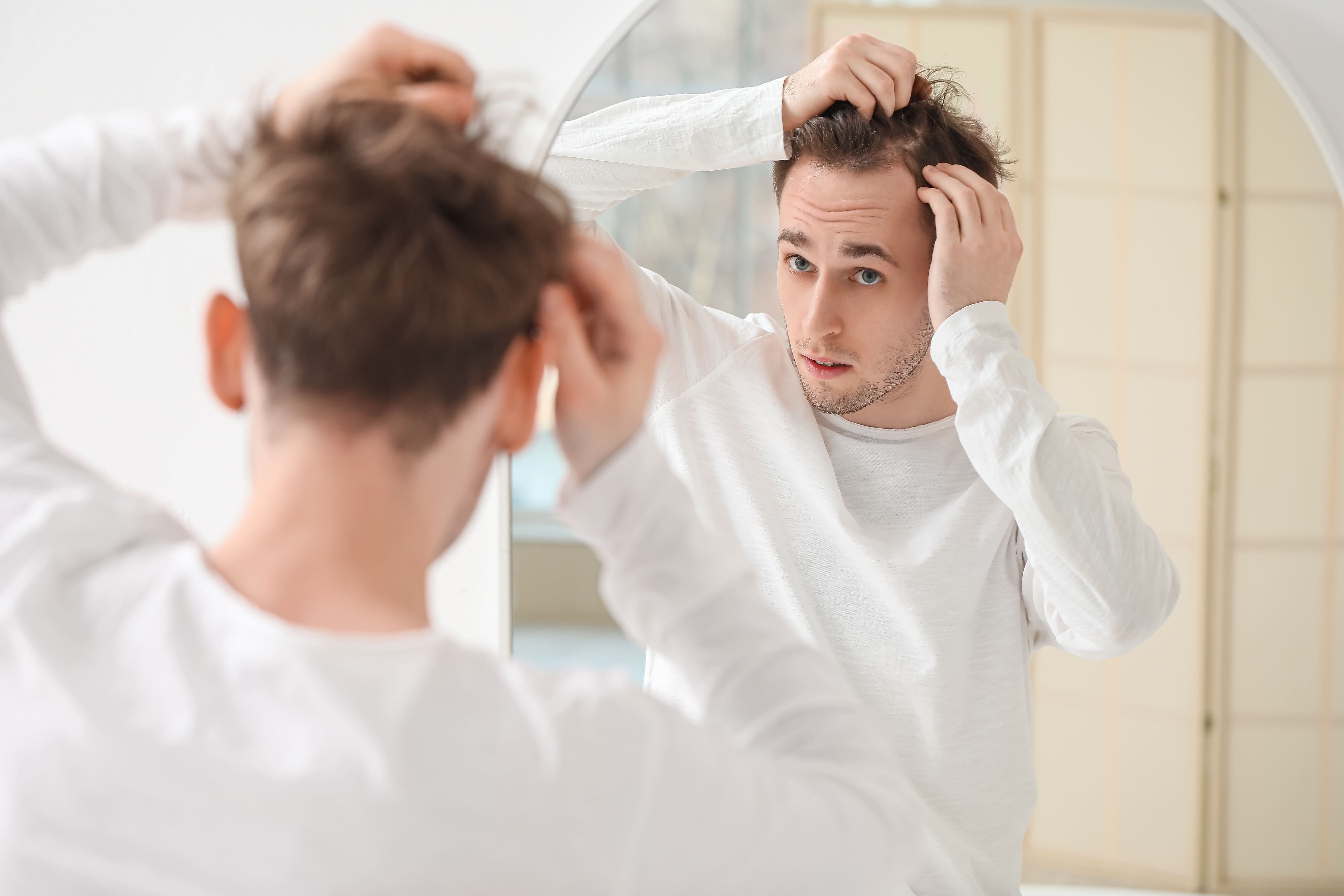
At some point in adulthood, most men begin to notice changes in their hair. Some studies suggest that by the age of 50, approximately 85% of men will have significantly thinning hair (1)
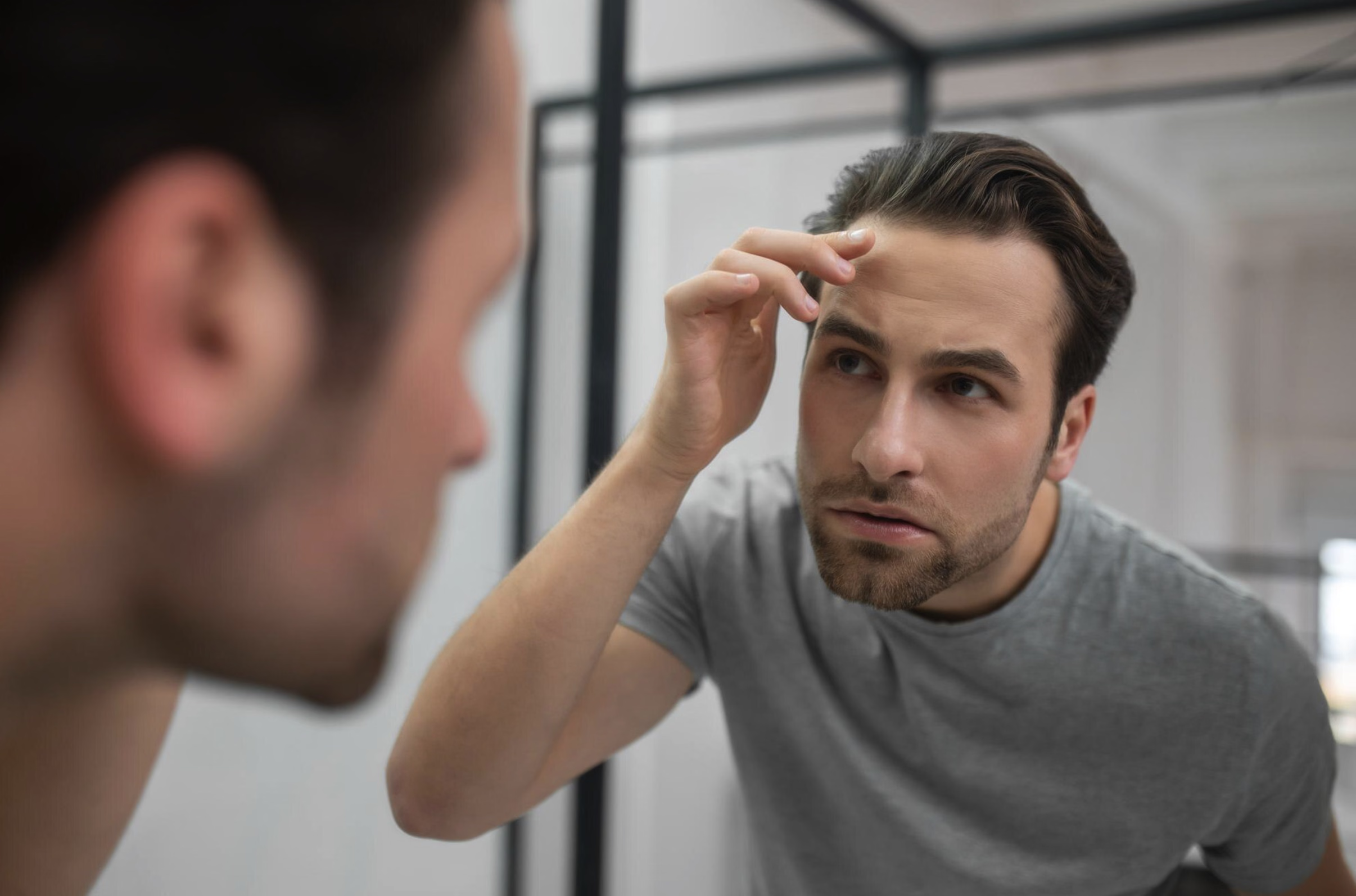
It might start subtly, with a little less volume or a slightly wider part. Over time, those changes can become more noticeable, leading to questions about what can be done to reverse it or at least stop it in its tracks.
But before men can develop an action plan, they need to understand what the difference really is between hair loss and hair thinning. While they are frequently used interchangeably, they are not the same thing. Each describes a different pattern of change in the hair and can point to different underlying causes.
In this guide, we’ll help men understand the distinction between hair thinning and hair loss so they can recognize what stage of hair changes they may be experiencing. We’ll go over what the common causes are for both hair loss and thinning, and what treatment options exist for each.
What Is Hair Thinning?
Hair thinning refers to a gradual reduction in hair density. Instead of losing large amounts of hair at once, hair follicles begin producing strands that are finer and weaker. This process typically happens slowly, often over the course of months or years. (2)
In the early stages, hair thinning can be difficult to detect. Over time, the changes become more visible, especially under certain lighting or when styling the hair.
Common signs of hair thinning include: (3)
- A wider part line than before
- Reduced overall volume
- Increased visibility of the scalp, particularly at the crown
- Hair that feels softer or less dense when running your hands through it
One key feature of hair thinning is that the hair is still present. Unlike with more advanced hair loss, the follicles have not stopped working entirely, but they may be producing weaker strands.
Hair thinning is often associated with early stages of male pattern baldness, but it can also result from stress, nutritional deficiencies, hormonal changes, and certain health conditions. (4)
What Is Hair Loss?
Hair loss is typically more noticeable and more defined than hair thinning. It involves the shedding of hair from the scalp, sometimes at a rate that exceeds normal daily loss. While it is normal to shed around 50 to 100 hairs per day, hair loss becomes a concern when shedding increases significantly or when new hair is not growing back at the same rate. (5)
Unlike thinning, hair loss often presents as distinct changes in the hairline or the appearance of bald patches. While these changes typically happen gradually, they may also occur more rapidly.
Men experiencing hair loss may notice: (6)
- A receding hairline, especially at the temples
- Bald spots forming at the crown
- Clumps of hair falling out during washing or brushing
- Hair collecting on items or surfaces
Like hair thinning, hair loss can be caused by a variety of factors. Male pattern baldness is the most common cause, but other contributors include hormonal imbalances, medical conditions, and various lifestyle factors.
In more advanced cases of hair loss, hair follicles may become inactive. When this happens, regrowth becomes more difficult without targeted intervention.
Key Differences Between Hair Loss and Hair Thinning
Although hair thinning and hair loss can occur together, they describe different processes. Understanding how they differ can help men decide what steps to take next.
Hair density is one of the most noticeable differences. With thinning, the number of hairs on the scalp may remain relatively stable, but each strand becomes finer. With hair loss, the total number of hairs decreases as follicles stop producing new growth.
The pattern of change also varies. Hair thinning tends to affect the entire scalp or specific regions like the crown, creating a more diffuse appearance. Hair loss often follows a predictable pattern, especially in male pattern baldness (also referred to as androgenetic alopecia), such as a receding hairline or bald spot at the crown.
Speed of progression is also different in these two processes. Thinning usually develops slowly over time, meaning some men may not even notice it at first. Alternatively, hair loss may progress more quickly, particularly if triggered by hormonal shifts or other underlying conditions. Visible scalp exposure can be a tell-tale sign. While thinning can make the scalp more visible due to reduced density, hair loss often results in clearly defined areas where hair is absent.
It is important to note that both hair thinning and hair loss can occur simultaneously, especially in men with androgenetic alopecia. In these cases, follicles gradually shrink while also producing fewer hairs overall.
Common Causes of Hair Thinning and Hair Loss in Men
In most cases, a combination of genetic, hormonal, and lifestyle factors contributes to hair thinning and hair loss.
Male pattern baldness is the most common cause. This condition is influenced by genetics and sensitivity to a hormone called dihydrotestosterone, or DHT. Over time, DHT can cause hair follicles to shrink, leading to thinner strands and eventually reduced hair production. (7)
Elevated levels of DHT or increased sensitivity to it can accelerate both thinning and hair loss. Other hormonal imbalances may also contribute, particularly if they affect the hair growth cycle.
Genetics and aging are closely linked to reductions in hair density and total hair volume. If hair loss runs in your family, you are more likely to experience it yourself. Some research suggest that men are five-to-six times more likely to experience male pattern baldness if their father also dealt with baldness. (8)
Stress and lifestyle factors can also have a significant impact. High stress levels can disrupt the normal hair growth cycle, pushing more hairs into the shedding phase. Poor nutrition, lack of sleep, and certain health conditions may also contribute to changes in hair density and growth.
Understanding the underlying cause of hair loss and thinning is essential for determining the most effective treatment approach.
When Should Men Seek Evaluation?
Many men wait until hair changes become obviously noticeable before seeking help. By that point, many follicles may be affected, and treatment options can become more limited. By acting early when they first begin to notice hair thinning, men can significantly increase their chances of limiting or delaying hair loss.
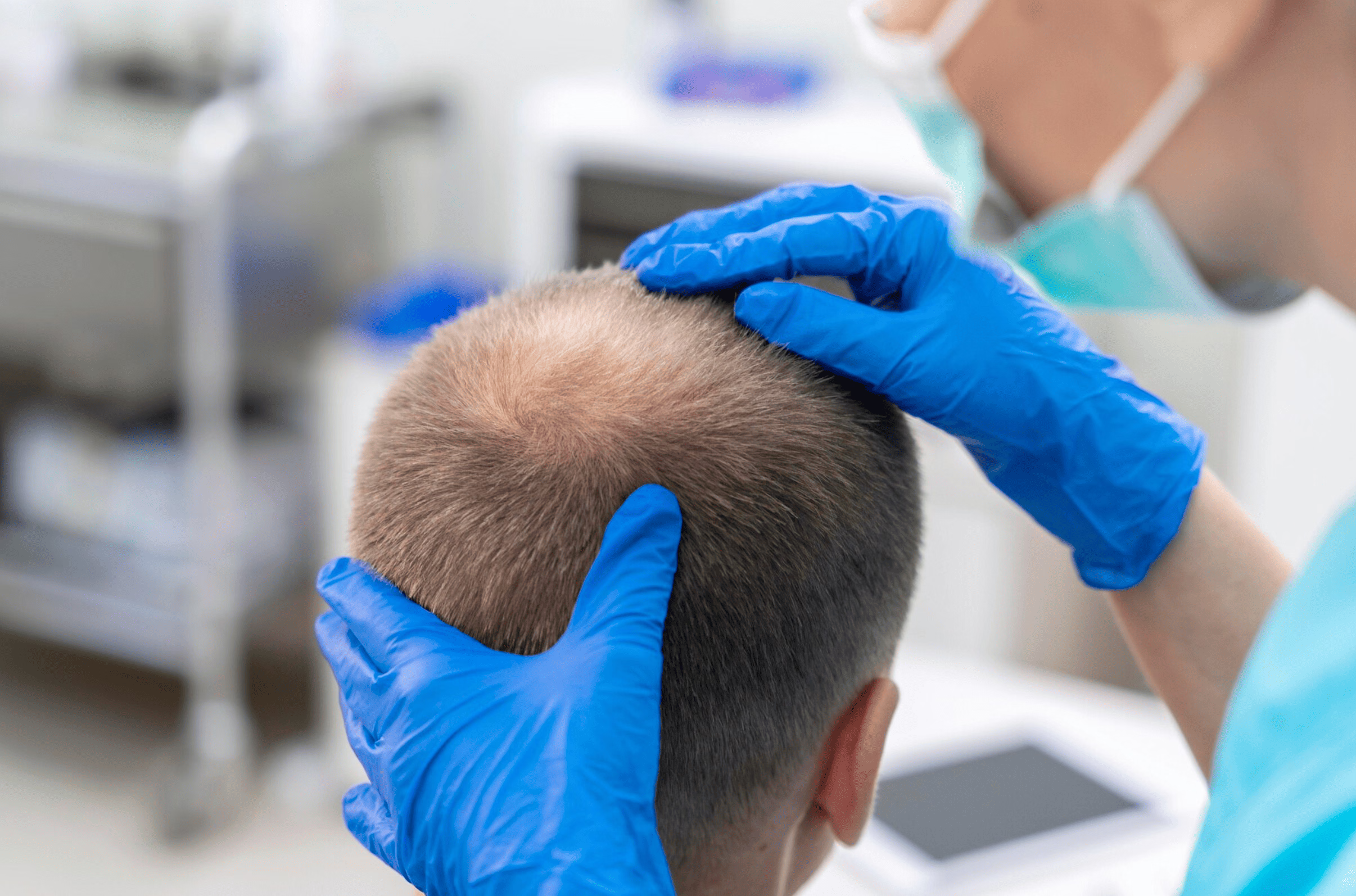
If you notice gradual thinning, increased shedding, or changes in your hairline, it is worth having a professional assessment. A trusted clinician like Gameday Men’s Health can evaluate your scalp, review your medical history, and help identify potential causes. Hair follicles that are still active are much more likely to respond to therapy than those that have already become inactive.
Treatment Options for Hair Loss and Hair Thinning
The good news is that a variety of treatment options are available to address both hair thinning and hair loss.
Minoxidil
Minoxidil is a topical treatment that is applied directly to the scalp. It also comes in an oral pill. It works by supporting hair follicle activity and increasing blood flow to the affected areas. This can help promote hair growth and improve overall hair density. (9)
Men using minoxidil often notice that their hair appears thicker over time. It may also help slow the progression of hair thinning and hair loss. Consistent use is essential, as stopping treatment can lead to a return of previous hair patterns.
Finasteride
Finasteride is an oral or topical medication that targets one of the primary drivers of male pattern baldness. It works by reducing levels of DHT, the hormone responsible for shrinking hair follicles. (10)
By lowering DHT levels, finasteride can help slow or stabilize hair loss. In some cases, it may also support regrowth in areas where follicles are still active.
PRP Hair Treatment
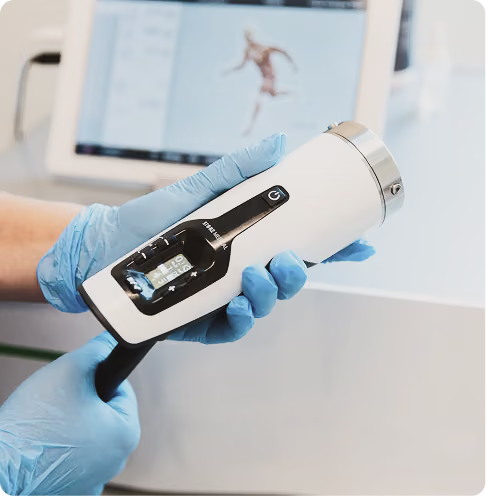
Platelet rich plasma therapy, commonly referred to as PRP, is an advanced treatment that uses components from your own blood that may stimulate follicle activity, improve hair density, and support long-term regrowth.
Platelets contain growth factors that may support follicle health. PRP is often used in combination with other treatments to enhance overall results.
Can Hair Loss or Thinning Be Managed?
While not every case can be completely reversed, many forms of hair thinning and hair loss can be effectively managed with the right, targeted approach. Early treatment is one of the most important factors. The sooner you address changes in your hair, the more options you have and the better your chances of preserving existing hair.
Combining therapies can also lead to better outcomes in some cases. For instance, using a topical treatment alongside an oral medication or PRP therapy can help target multiple aspects of the hair growth cycle.
Consistency is also essential. Hair growth takes time, and treatments need to be used consistently to see results. Stopping treatment prematurely can often lead to any progress being reversed.
With the right strategy, many men are able to maintain their hair, improve density, and feel more confident in their appearance.
How Gameday Men’s Health Supports Hair Restoration
At Gameday Men’s Health, our goal when it comes to hair loss is not just to treat symptoms, but to understand the underlying causes and create a plan that delivers real results.
The process begins with a professional evaluation. A clinician assesses your scalp, reviews your history, and identifies patterns that point to specific causes.
From there, a personalized strategy is developed. Rather than relying on a one-size-fits-all approach, treatments are tailored to your unique needs. This may include a combination of therapies designed to address both hair thinning and loss.
Gameday Men’s Health provides a variety of treatments for hair loss, including minoxidil, finasteride, and PRP therapy. This gives men and their clinician several options for determining the best treatment approach for each specific case.
If you have started to notice changes in your hair, taking action now can make a meaningful difference. Contact your local Gameday Men’s Health location today to schedule a free consultation and begin your journey to hair revitalization.