Man in glasses working late at a drafting table under lamp light

Low Testosterone Symptoms: 10 Signs Men Ignore

Oct 5th, 2026
1
Min Read

Article / Low Testosterone Symptoms: 10 Signs Men Ignore

Written by Jillian Gordon

Medically reviewed by Dr. Haleem Mohammed, Chief Medical Officer at Gameday Men’s Health

At a Glance

  • Low testosterone symptoms can be mistaken for stress, poor sleep or normal aging.
  • Common signs of low T include fatigue, low libido, erectile changes, muscle loss, and increased body fat.
  • Lesser-known symptoms may include mood changes, brain fog, poor sleep, and reduced facial or body hair.
  • Having one or more symptoms doesn’t necessarily mean you have low T.
  • Testosterone testing and a comprehensive evaluation can help determine whether a deficiency may be contributing to your symptoms.

Low testosterone doesn’t always show up in obvious ways. While low libido or changes in sexual function may raise a red flag, other symptoms can be easy to overlook or often confused with the effects of stress, a busy schedule or simply getting older.

“A lot of guys ignore symptoms like increased irritability, loss of motivation, poor sleep quality, or general brain fog,” says Dr. Haleem Mohammed, MD, MBA, Chief Medical Officer at Gameday Men’s Health. “They often attribute these to stress or getting older rather than a treatable clinical condition like hypogonadism or low testosterone.”

In fact, Dr. Hal says low T is often underdiagnosed. “Most patients are surprised because they have been told their numbers are ‘normal’ or that their symptoms are just ‘normal aging.’”

While symptoms don’t necessarily mean you have low testosterone, they are often reason enough to get your levels checked. Here are 10 commonly overlooked signs of low T to watch for.

1. You’re Tired All the Time

Sure, occasional fatigue can simply be due to a bad night’s sleep, but if you’re consistently feeling tired and sluggish throughout the day, low testosterone could be playing a role. Men with low T may notice a persistent lack of energy, decreased stamina or motivation, or simply feel like it takes more effort to get through their usual routine.

Because fatigue can have many potential causes, the only way to know whether low testosterone is to blame is to get your levels checked. Gameday Men’s Health offers in-clinic testosterone testing along with a comprehensive evaluation to help identify what may be behind your symptoms. And if low T is diagnosed, treatment may help. In fact, studies show that just one year of testosterone replacement therapy (TRT) was associated with a significant decrease in fatigue.

If you’re experiencing fatigue on a regular basis, find your local Gameday Men’s Health clinic for a full evaluation of your hormone levels.

Schedule a Visit

2. Your Sex Drive Has Decreased

Unfortunately, low testosterone often goes hand-in-hand with low libido. If you’re experiencing a noticeable decline in your sexual desire without an obvious explanation, it could be a sign of testosterone deficiency.

Of course, libido can fluctuate for many reasons, including stress, poor sleep, medications, and relationship factors. But when your sex drive drops unexpectedly, it may be worth taking a closer look at your hormone levels.

3. You’re Experiencing Erectile Changes

Since testosterone can affect sexual function, erectile dysfunction (ED) can be an early symptom of low T. This is especially true if you’re experiencing a change in morning erections. “Loss of morning erections is another big one. Most guys don't realize that it may be related. It seems to be the last thing guys want to mention to a doctor,” says Dr. Hal.

That said, ED doesn’t automatically mean you have low testosterone. ED can also be related to cardiovascular health, medications, stress, psychological factors, and other underlying conditions, making it important to get to the root cause of your symptoms.

At Gameday Men’s Health, providers can evaluate both hormone health and sexual wellness concerns to better understand what may be contributing to your symptoms and develop a personalized treatment plan based on your individual needs and health goals.

4. You’re Losing Muscle or Strength

According to research, low testosterone levels are often associated with “unfavorable body composition changes,” including muscle loss. This might show up as workouts feeling more difficult, a noticeable decline in strength or difficulty maintaining the muscle you once had despite keeping up with your usual exercise routine.

Because testosterone plays an important role in maintaining muscle mass and strength, these changes are worth paying attention to, especially if they occur with other potential signs of low T. If testing confirms testosterone deficiency, TRT may help restore testosterone to a healthy range and work to prevent future muscle loss.

5. You’re Gaining Body Fat

In addition to muscle loss, fat gain (especially belly fat) is another often ignored sign of low testosterone. The relationship between testosterone and weight can also go both ways. Research suggests that low testosterone may contribute to increased body fat, while excess weight can itself be associated with lower testosterone levels. This makes proper testing and a full evaluation of your metabolic health especially important.

If weight gain is one of your concerns, Gameday can look at both your hormone levels and weight concerns to create a personalized plan for hitting your goals.

Find My Clinic

6. You’re Feeling More Irritable or Down

Not feeling like yourself lately? Mood changes, including increased irritability or depression, are another lesser-known symptom associated with low testosterone. If these changes are persistent, particularly when they occur alongside other symptoms like fatigue, low libido or changes in body composition, it may be time to have your testosterone levels checked.

7. You Can’t Focus Like You Used To

Difficulty concentrating or brain fog is yet another symptom of low T that men may ignore. In fact, studies show that lower testosterone has been linked to actual cognitive decline in older men.

In everyday life, this lesser-known symptom might show up as trouble staying focused, forgetfulness or a lack of motivation to tackle tasks that once felt routine. While an occasional off day is normal, persistent changes in your ability to think clearly or concentrate are symptoms worth investigating.

8. Your Sleep Has Changed

While fatigue is a common symptom of testosterone deficiency, poor sleep quality may also be part of the picture. Many men with low T report experiencing sleep-related concerns, while studies suggest that poor sleep quality, insufficient sleep, disrupted circadian rhythms, and sleep-disordered breathing may in turn contribute to lower testosterone levels.

In other words, the relationship can go both ways. Changes in sleep may accompany low testosterone, while consistently poor sleep may negatively affect testosterone production.

9. You’re Noticing Less Body or Facial Hair

Noticing that your beard isn’t growing in as quickly or that you have less body hair than you used to? Because testosterone plays a role in male hair growth, a gradual decrease in facial or body hair can be a physical sign of a testosterone deficiency. These changes can happen slowly, making them easy to overlook (or treated as an assumed sign of aging).

10. Your Bones May Be Getting Weaker

Unlike fatigue or low libido, declining bone density isn’t something you can necessarily feel, making it one of the easier signs of low testosterone to overlook. Testosterone plays an important role in maintaining bone health, and research has linked testosterone deficiency in men to decreased bone mineral density and an increased risk of osteoporosis.

In many cases, men may not realize their bone health has declined until it shows up on a bone density scan or they suffer a bone fracture. This is why recognizing and properly evaluating all the potential signs of low T is so important, even when some of its effects aren’t immediately noticeable.

If any of these symptoms sound familiar, don’t assume they’re simply a normal part of getting older. Schedule a visit at your local Gameday Men’s Health clinic to get your testosterone levels checked and create a plan for feeling your best.

Jillian Gordon, Writer

Jillian Gordon is a Los Angeles-based writer with over a decade of experience covering health and wellness. She has written extensively about longevity science, gut and immune health, nutrition, and emerging wellness trends, with a focus on helping readers make informed decisions about their health.

Dr. Haleem Mohammed, Global Chief Medical Officer

Dr. Haleem Mohammed, MD, MBA, is the Global Chief Medical Officer of Gameday Men’s Health and an award-winning board-certified internal medicine physician specializing in men’s health and performance, including hormone optimization, weight management, erectile performance, peptide and vitamin therapy, musculoskeletal recovery solutions, longevity and precision medicine.


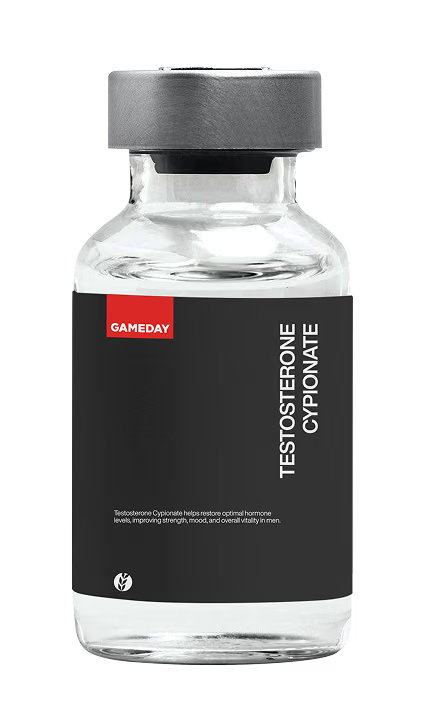
Close-up of a bottle of Testosterone Cypionate, a long-acting injectable testosterone medication prescribed to men seeking to restore hormone balance, energy, and vitality at Gameday Men's Health.
Steady Support
Strength
Best Seller

Testosterone Cypionate Injections

Testosterone Cypionate provides long-acting hormone support through periodic injections that maintain steady testosterone levels. This option enhances muscle strength, bone health and overall vitality. Beneficial for men with confirmed hormone deficiency and performance-focused goals.

Read More...
SEE TREATMENT
SEE TREATMENT
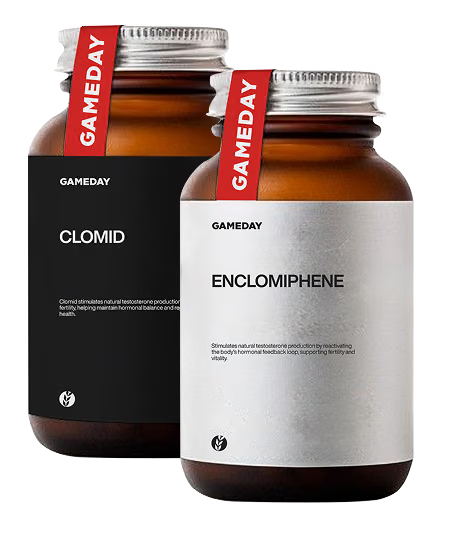
Two prescription bottles side by side, one containing Clomid and the other Enclomiphene, representing medically guided treatments for low testosterone levels at Gameday Men's Health.
Hormone Balance
Fertility
Best Seller

Clomid / Enclomiphene

Clomid and Enclomiphene work by stimulating your body’s hormonal response to naturally boost testosterone and support fertility. Ideal for men who want to reclaim hormone balance without traditional testosterone injections, this protocol supports libido, sperm health and vitality through guided care.

Read More...
SEE TREATMENT
SEE TREATMENT
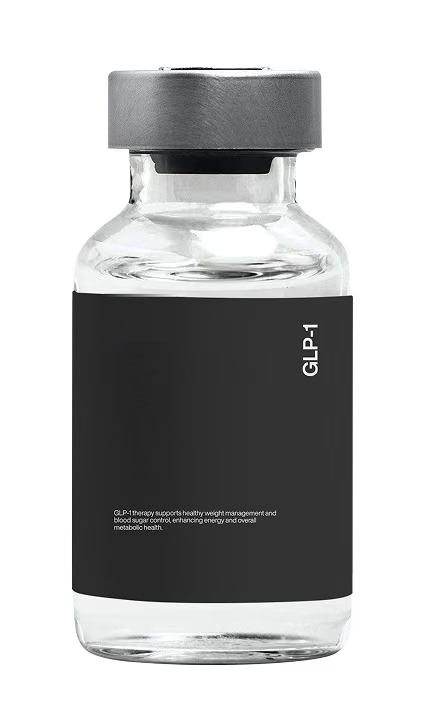
GLP-1 medication vial used for weekly weight loss injections at Gameday Men’s Health.
Balance
Best Seller

GLP-1 Medications

GLP-1 therapy supports appetite regulation and blood sugar control to help men achieve steady, sustainable weight loss and improved metabolic health. For men who have tried diet and exercise yet still struggle with excess weight or energy dips, GLP-1 offers a medically-supervised option that aligns with performance, wellness and hormonal balance.

Read More...
SEE TREATMENT
SEE TREATMENT
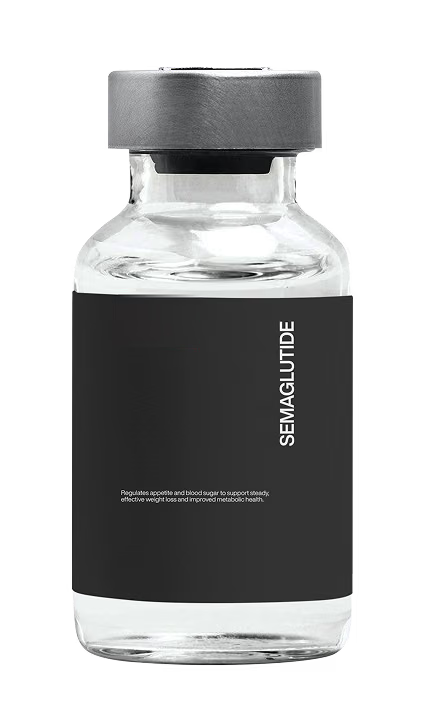
Semaglutide medication vial for medical weight-loss treatment at Gameday Men's Health.
Weight Loss
Appetite Control
Best Seller

Semaglutide

Semaglutide is a GLP-1 medication that helps reduce appetite, curb cravings, and improve metabolic function to support steady, sustainable weight loss. By slowing gastric emptying and improving insulin response, semaglutide makes it easier for men to stay consistent with nutrition and see meaningful progress. At Gameday Men’s Health, semaglutide is integrated into a personalized weight-management program designed to help men lose weight safely and effectively.

Read More...
SEE TREATMENT
SEE TREATMENT
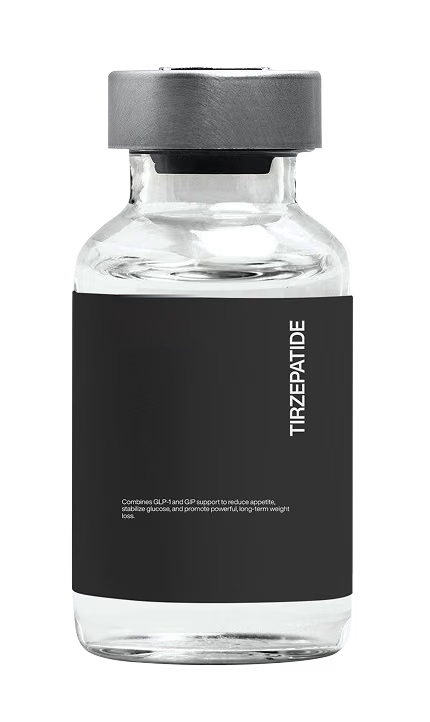
Gameday Men’s Health Tirzepatide injection vial designed for medical weight loss, appetite control, improved metabolic health, and long-term weight management support.
Metabolism Boost
Appetite Control
Best Seller

Tirzepatide

Tirzepatide is a dual-action metabolic therapy that supports weight control by improving insulin sensitivity, reducing appetite, and enhancing satiety. It helps regulate blood sugar levels and supports steady fat loss when combined with proper nutrition and lifestyle habits. This option is ideal for men seeking a guided, medically supervised approach to sustainable weight-management results.

Read More...
SEE TREATMENT
SEE TREATMENT
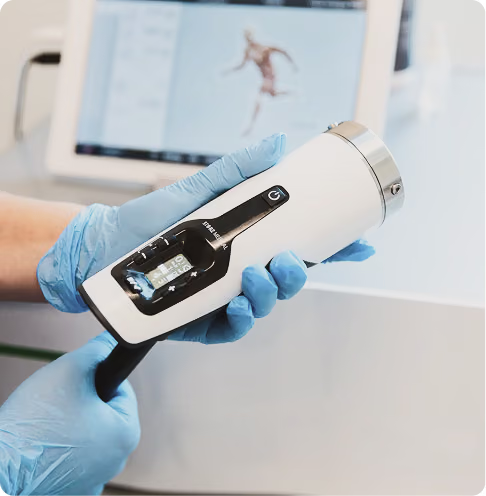
Close-up of a shockwave therapy device used in non-invasive erectile dysfunction treatment, designed to improve blood flow and stimulate new blood vessel growth at Gameday Men's Health.
Regeneration
Restoration
Best Seller

Shockwave therapy for Erectile Dysfunction

Shockwave therapy uses low-intensity acoustic waves to stimulate new blood vessel growth and tissue regeneration. It’s a safe, non-invasive treatment that improves erectile function, sensation, and long-term performance without medication.

Read More...
SEE TREATMENT
SEE TREATMENT
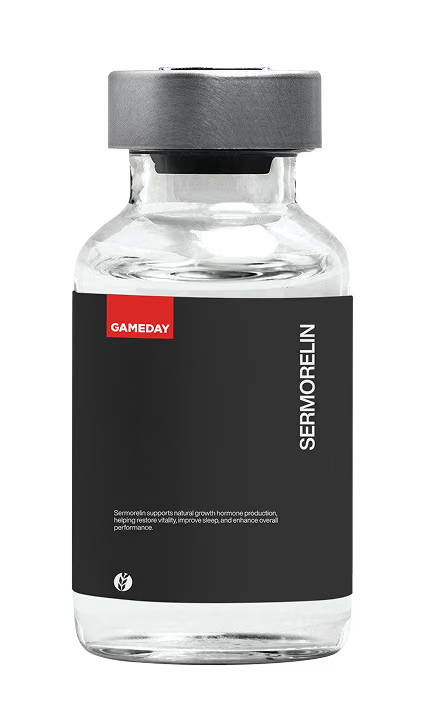
Sermorelin peptide therapy vial used to support growth hormone production at Gameday Men’s Health.
Recovery
Vitality
Best Seller

Sermorelin Peptide Injections

Sermorelin stimulates your body’s natural growth hormone production, supporting lean muscle, enhanced recovery, improved sleep and greater vitality. Ideal for men seeking a restorative, lifestyle-focused approach to aging well and maintaining energy, strength and overall wellness.

Read More...
SEE TREATMENT
SEE TREATMENT
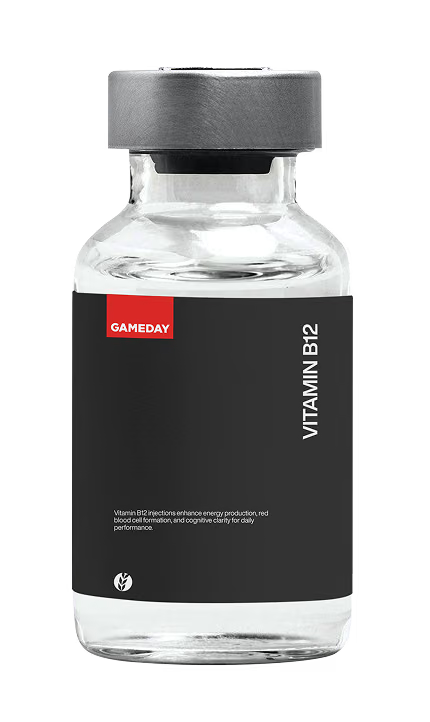
Bottle of Vitamin B12 injection used for energy support and metabolic health at Gameday Men’s Health.
Energy
Best Seller

Vitamin B12 injections

Vitamin B12 injections help boost energy, improve focus and support metabolic health by delivering a potent dose of this essential nutrient directly into your bloodstream. At Gameday we use B12 to support red blood cell and nerve health in men who feel fatigued or need a reliable vitality boost.

Read More...
SEE TREATMENT
SEE TREATMENT
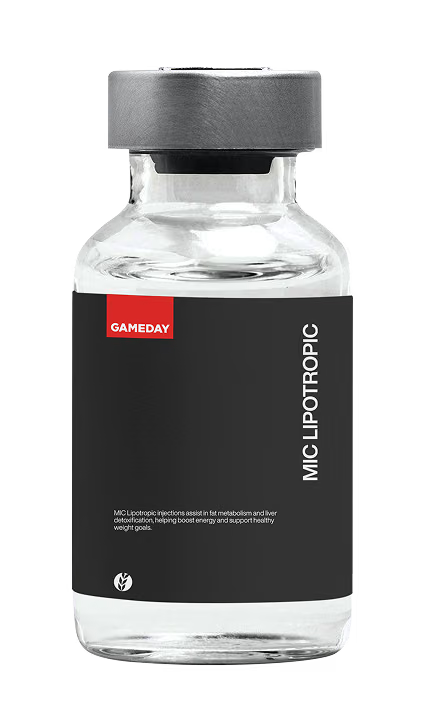
Vial of MIC Lipotropic and B12 injection used for metabolism support and fat-burning treatment at Gameday Men’s Health.
Metabolism Boost
Fat Loss Support
Best Seller

MIC Lipotropic + B12 Injections

MIC B12 injections deliver key nutrients designed to support fat metabolism, improve liver function and enhance overall energy. Ideal for men who train hard, travel often or need an extra metabolic boost, this therapy complements your lifestyle and helps your body make the most of your effort.

Read More...
SEE TREATMENT
SEE TREATMENT
Fit man holding a Clomid pill bottle, highlighting treatment options for boosting testosterone and supporting men’s wellness.Fit man holding a Clomid pill bottle, highlighting treatment options for boosting testosterone and supporting men’s wellness.
Don’t Just Read About It,
Feel The Difference.
Thousands of men have already taken the first step toward stronger energy, better performance, and lasting confidence. The science is real — and the results speak for themselves. Ready when you are.

Related Articles

Man in a ball cap standing on a hillside trail at sunset
Enclomiphene, Explained: The TRT Alternative 90,000 Men Search for Every Month
Enclomiphene helps the body produce more of its own testosterone. Learn how it works, how it compares to TRT, who it suits, and the side effects to watch for.
Doctor discussing treatment options with a male patient in a clinic
How to Choose a TRT Clinic Near You: 7 Things to Look For and What to Expect
Choosing a TRT clinic goes beyond cost and location. Learn what to look for in testing, provider experience, personalized treatment, and ongoing care.
Man in an office considering questions about testosterone therapy
TRT Myths Busted: 5 Things Men Get Wrong About Testosterone Therapy
Testosterone replacement therapy is often misunderstood. Get the facts about five common TRT myths, from steroid comparisons and age to cost and stopping treatment.
Man applying hair loss treatment to scalp while looking in mirror
Does Minoxidil Work? What Men Should Know About Hair Loss Treatment
Does minoxidil work for hair loss? Learn how this treatment supports hair growth, what results to expect, and how consistency affects outcomes.
Man receiving IV therapy in clinic while seated and monitored
NAD+ Injection Side Effects: What to Know Before Treatment
Learn about possible NAD+ injection side effects, how the therapy works, and what men should know before considering NAD+ wellness treatments.
Man examining thinning hair in mirror at home
Hair Loss and Hair Thinning: What’s the Difference?
Learn the difference between hair loss and hair thinning, common causes in men, and treatment options including PRP therapy, minoxidil, and finasteride.
Man receiving IV therapy treatment in a medical clinic
NAD+ Injections Benefits: What Men Should Know
Discover potential benefits of NAD+ injections, how NAD+ supports cellular energy, and why this therapy is gaining attention in men’s wellness care.
Doctor discussing treatment options with male patient in clinic
Testosterone Pellets vs Injections: What’s the Difference?
Learn the differences between testosterone pellets and injections, how each form of TRT works, and which option may suit your lifestyle and treatment goals.
Man standing near a wall in a thoughtful pose, representing awareness and considerations around finasteride side effects
Finasteride Side Effects: What to Expect
Learn about potential finasteride side effects, how the medication works, and what men should know when considering treatment for hair loss.
Medical professional checking scalp and hairline during consultation, illustrating how finasteride may support hair restoration
Does Finasteride Regrow Hair? What Men Should Know
Does finasteride regrow hair? Learn how this treatment works, what results to expect, and how it supports men experiencing hair loss.
Man looking closely in the mirror as he notices early hair loss and thinning at the hairline.
How to Prevent Hair Loss in Men
Learn how to prevent hair loss in men, what causes thinning hair, and which treatments can help slow loss and support regrowth.
Thoughtful man sitting and reflecting, representing concerns and potential side effects associated with minoxidil use
Minoxidil Side Effects: What to Know Before Using It
Learn about common and potential minoxidil side effects, why they occur, and what men should know before starting this popular hair loss treatment.