Active man exercising, considering effective methods to lower hematocrit on TRT.

How to Lower Hematocrit on TRT: Safe and Effective Strategies

Sep 22nd, 2025
1
Min Read

Article / How to Lower Hematocrit on TRT: Safe and Effective Strategies

Testosterone replacement therapy (TRT) has become a game-changing option for men struggling with symptoms of low testosterone. For millions of men, TRT can help restore vitality, improve energy levels, boost mood, and maintain a healthy sex drive.

Like any medical therapy, however, TRT requires careful monitoring to ensure it remains safe and effective for all patients. One of the most important lab markers your provider will check is hematocrit. Elevated hematocrit is a known potential side effect of TRT, and if left unaddressed, it can increase cardiovascular risk. (1)  

In this article, we’ll  explain what hematocrit is, why testosterone therapy can raise it, and some safe, effective strategies you and your provider can use to keep it in a healthy range.

What Is Hematocrit and Why Does It Matter?

Hematocrit is the percentage of your blood that consists of red blood cells. These cells are responsible for transporting oxygen from your lungs to the rest of your body. When your hematocrit is balanced, oxygen delivery is efficient, blood flows smoothly, and your organs and muscles can function at their best.

For men, normal hematocrit typically ranges between 41 and 50 percent, though exact reference ranges may vary slightly between labs. Levels above this threshold are typically considered elevated. (2)

High hematocrit makes your blood thicker, which increases its viscosity. Thick blood does not flow as easily through your veins and arteries, which can put additional strain on your heart and vascular system. (3) Over time, this strain can lead to serious heart-related issues. In short, while red blood cells are essential for energy and stamina, too many of them can cause health problems.

Why Does TRT Increase Hematocrit?

One of the ways testosterone therapy works in the body is by stimulating red blood cell production in the bone marrow. It does this in part by influencing the hormone erythropoietin, which directs the body to make more red blood cells. While this boost can improve energy levels, it also raises the chance of hematocrit levels climbing too high. (4)

Elevated hematocrit is more common with injectable testosterone than with gels or patches. Injections deliver higher concentrations of testosterone at once, which can trigger a stronger red blood cell response.  In one study, about 23% of men receiving injectable testosterone developed a hematocrit greater than 50%, a higher percentage than those given testosterone gels. (5)

Certain men are also more prone to developing high hematocrit on TRT. Risk factors include older age, smoking, sleep apnea, and living at high altitudes. (6) Regardless of your situation, routine blood monitoring is essential. Your provider can catch rising hematocrit early and take steps to address it before it becomes a problem.

Risks of High Hematocrit on TRT

While high hematocrit can be mitigated with proper treatment, ignoring it can increase the risk of several serious health conditions. Thickened blood circulates less effectively, which can sometimes lead to blood clots that may form in veins or arteries, stroke caused by reduced blood flow to the brain, or even heart attack resulting from blocked circulation.

Beyond these major risks, high hematocrit can also cause more minor symptoms that affect your day-to-day life. Some men may experience frequent headaches, dizziness, blurred vision, or fatigue. Others may notice high blood pressure readings during routine checks. If you notice any of these signs, it could be an early warning that hematocrit levels are rising.

Research has shown that men on TRT who develop high hematocrit are more likely to experience cardiovascular complications compared to those whose levels remain stable. (7) This is why ongoing monitoring and early intervention are so important for men undergoing TRT.

How to Lower Hematocrit on TRT

If your hematocrit begins to climb, your provider, such as your local Gameday Men’s Health location will discuss options for bringing it back into a safe range. The good news is there are proven, effective strategies that allow most men to continue testosterone therapy while minimizing risks. Some of the most common approaches include:

  • Therapeutic phlebotomy: A medical blood draw that removes a unit of blood to reduce the concentration of red blood cells. This is one of the quickest ways to bring hematocrit levels down, and it is usually performed under medical supervision.
  • Regular blood donation: Some men may qualify to donate blood at approved centers. Regular blood donation can potentially have a similar effect as phlebotomy, as both procedures involve removing blood from the body. However, some blood banks have restrictions for men on TRT.
  • Adjusting TRT dosage or frequency: Lowering the TRT dosage or spreading out injections can reduce the red blood cell response without losing the benefits of therapy.
  • Switching formulations: Men who consistently develop high hematocrit with injections may have a better response with gels or patches, which deliver testosterone more gradually.
  • Lifestyle and hydration strategies: Drinking enough water, avoiding smoking, moderating alcohol intake, managing stress and exercising regularly can all help maintain healthy blood flow and viscosity. (8)

Other considerations include avoiding unnecessary iron supplementation and addressing underlying conditions like sleep apnea, which can also contribute to elevated hematocrit. (9) The right plan will depend on your individual health profile and your provider’s guidance.

The Importance of Medical Monitoring

Managing hematocrit is not something that should be done on your own. Undergoing regular blood work and consultations with your physician is essential to track changes and prevent complications. Most providers recommend testing hematocrit at least every three to six months during the first year of TRT and at least annually once levels are stable. Hematocrit tests are simple blood tests that do not require fasting or other preparations beforehand. (10)

Monitoring hematocrit is part of a broader picture of health on TRT. Providers often track hemoglobin, estradiol, prostate-specific antigen (PSA), and cholesterol levels as well. Together, these tests give a complete view of how therapy is affecting your body and ensure treatment remains safe.

Attempting to self-adjust testosterone dosage or ignoring elevated hematocrit levels can be dangerous. Because high hematocrit does not always cause noticeable symptoms, the safest approach is to stay consistent with your lab schedule and closely follow your provider’s recommendations about any potential therapy adjustments.

TRT Management at Gameday Men’s Health

At Gameday Men’s Health, the safety of our patients is integrated into every hormone therapy program we administer. Before beginning therapy, we perform comprehensive hormone testing to establish a clear baseline. From there, a licensed clinician creates a customized plan designed to improve energy, mood, and vitality while minimizing risks while considering factors such as your health goals and history.

We know that numbers like hematocrit can sound complicated and may even make some men nervous about starting TRT. That’s why our providers take the time to walk you through your lab results in clear, straightforward language that makes it easy to understand.

If your hematocrit rises, our team can work with you to decide on the best strategy, whether that means adjusting your dosage, exploring different delivery methods, recommending a phlebotomy schedule, or, in extreme cases, stopping your TRT entirely.

Our clinics are designed with convenience and comfort in mind. Appointments are efficient, results are explained thoroughly, and care is always personalized. Plus, our offices are designed with men’s comfort in mind, so you’ll always feel at ease when undergoing treatment or discussing results with your clinician.  Men who choose Gameday Men’s Health can feel confident that their TRT is being managed with safety and effectiveness as top priority.

Managing Hematocrit for Long-Term Health

Testosterone replacement therapy can offer significant benefits for men with low testosterone, but keeping hematocrit in a safe range is essential for your long-term health. High hematocrit can increase the risk of cardiovascular complications if left unchecked. But, with proper monitoring and management, it can be controlled effectively

At Gameday Men’s Health, we work with you to ensure your TRT is not only delivering life-altering results, but also has your long-term safety in mind.  By focusing on ongoing monitoring and individualized care, we help our patients maintain the right balance and get the best results from treatment.

If you’re ready to start your TRT journey, or if you are already on TRT but are concerned about potentially elevated hematocrit, contact your local Gameday Men’s health today to schedule a consultation.


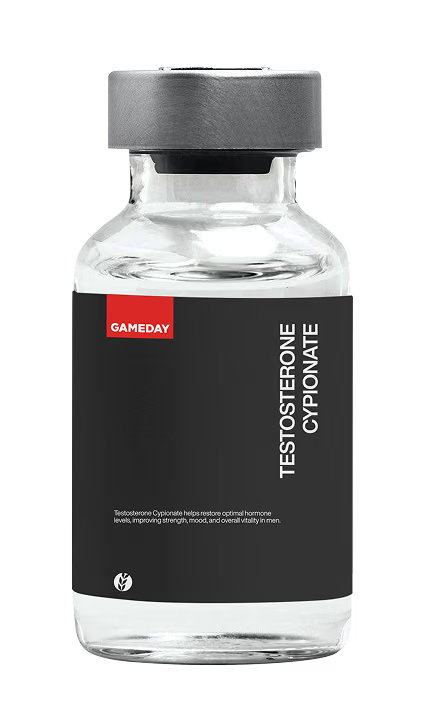
Close-up of a bottle of Testosterone Cypionate, a long-acting injectable testosterone medication prescribed to men seeking to restore hormone balance, energy, and vitality at Gameday Men's Health.
Steady Support
Strength
Best Seller

Testosterone Cypionate Injections

Testosterone Cypionate provides long-acting hormone support through periodic injections that maintain steady testosterone levels. This option enhances muscle strength, bone health and overall vitality. Beneficial for men with confirmed hormone deficiency and performance-focused goals.

Read More...
SEE TREATMENT
SEE TREATMENT
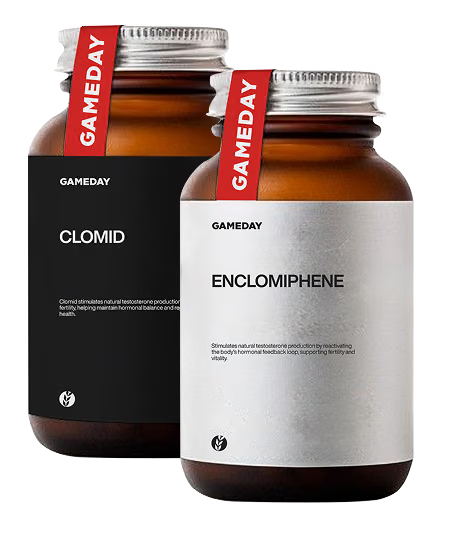
Two prescription bottles side by side, one containing Clomid and the other Enclomiphene, representing medically guided treatments for low testosterone levels at Gameday Men's Health.
Hormone Balance
Fertility
Best Seller

Clomid / Enclomiphene

Clomid and Enclomiphene work by stimulating your body’s hormonal response to naturally boost testosterone and support fertility. Ideal for men who want to reclaim hormone balance without traditional testosterone injections, this protocol supports libido, sperm health and vitality through guided care.

Read More...
SEE TREATMENT
SEE TREATMENT
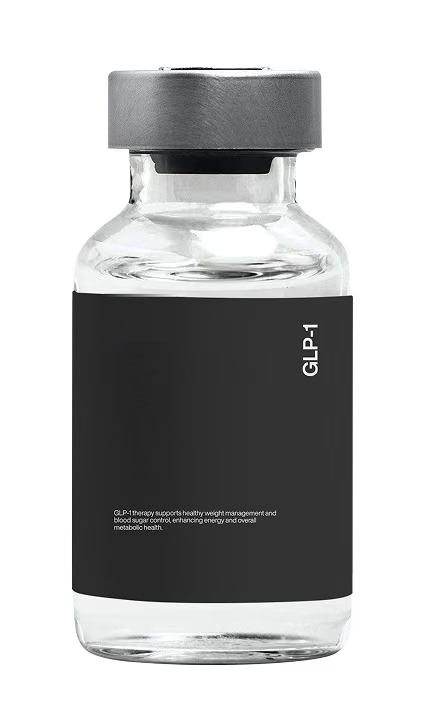
GLP-1 medication vial used for weekly weight loss injections at Gameday Men’s Health.
Balance
Best Seller

GLP-1 Medications

GLP-1 therapy supports appetite regulation and blood sugar control to help men achieve steady, sustainable weight loss and improved metabolic health. For men who have tried diet and exercise yet still struggle with excess weight or energy dips, GLP-1 offers a medically-supervised option that aligns with performance, wellness and hormonal balance.

Read More...
SEE TREATMENT
SEE TREATMENT
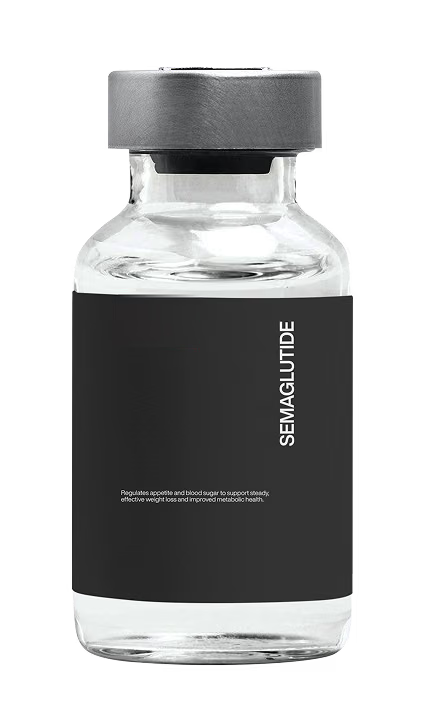
Semaglutide medication vial for medical weight-loss treatment at Gameday Men's Health.
Weight Loss
Appetite Control
Best Seller

Semaglutide

Semaglutide is a GLP-1 medication that helps reduce appetite, curb cravings, and improve metabolic function to support steady, sustainable weight loss. By slowing gastric emptying and improving insulin response, semaglutide makes it easier for men to stay consistent with nutrition and see meaningful progress. At Gameday Men’s Health, semaglutide is integrated into a personalized weight-management program designed to help men lose weight safely and effectively.

Read More...
SEE TREATMENT
SEE TREATMENT
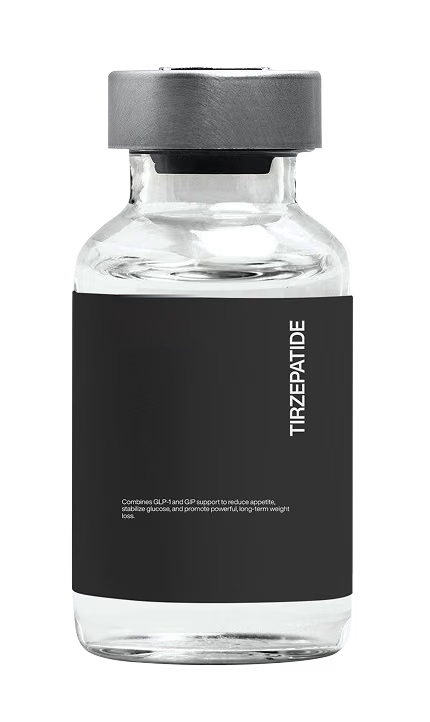
Gameday Men’s Health Tirzepatide injection vial designed for medical weight loss, appetite control, improved metabolic health, and long-term weight management support.
Metabolism Boost
Appetite Control
Best Seller

Tirzepatide

Tirzepatide is a dual-action metabolic therapy that supports weight control by improving insulin sensitivity, reducing appetite, and enhancing satiety. It helps regulate blood sugar levels and supports steady fat loss when combined with proper nutrition and lifestyle habits. This option is ideal for men seeking a guided, medically supervised approach to sustainable weight-management results.

Read More...
SEE TREATMENT
SEE TREATMENT
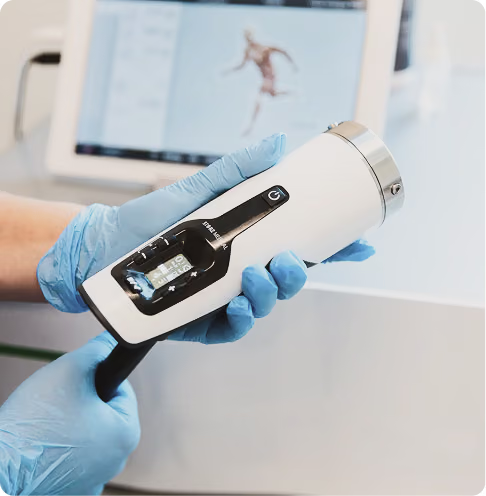
Close-up of a shockwave therapy device used in non-invasive erectile dysfunction treatment, designed to improve blood flow and stimulate new blood vessel growth at Gameday Men's Health.
Regeneration
Restoration
Best Seller

Shockwave therapy for Erectile Dysfunction

Shockwave therapy uses low-intensity acoustic waves to stimulate new blood vessel growth and tissue regeneration. It’s a safe, non-invasive treatment that improves erectile function, sensation, and long-term performance without medication.

Read More...
SEE TREATMENT
SEE TREATMENT
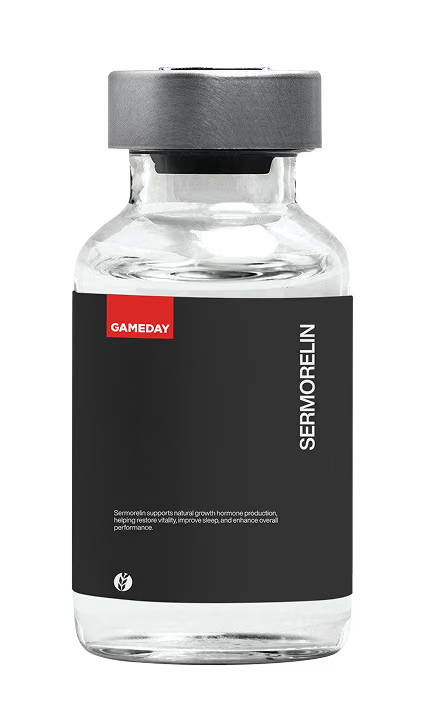
Sermorelin peptide therapy vial used to support growth hormone production at Gameday Men’s Health.
Recovery
Vitality
Best Seller

Sermorelin Peptide Injections

Sermorelin stimulates your body’s natural growth hormone production, supporting lean muscle, enhanced recovery, improved sleep and greater vitality. Ideal for men seeking a restorative, lifestyle-focused approach to aging well and maintaining energy, strength and overall wellness.

Read More...
SEE TREATMENT
SEE TREATMENT
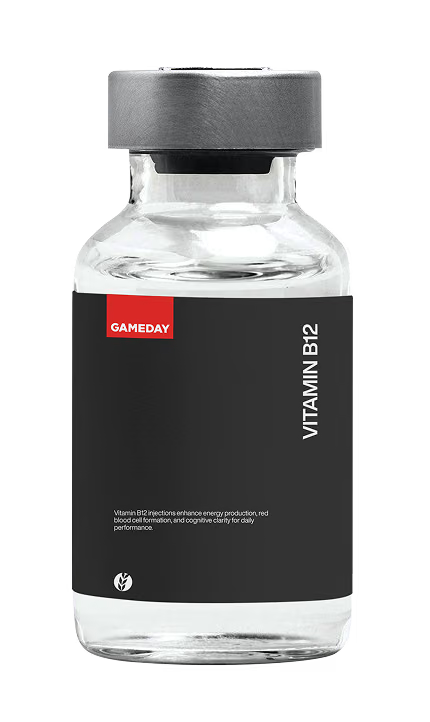
Bottle of Vitamin B12 injection used for energy support and metabolic health at Gameday Men’s Health.
Energy
Best Seller

Vitamin B12 injections

Vitamin B12 injections help boost energy, improve focus and support metabolic health by delivering a potent dose of this essential nutrient directly into your bloodstream. At Gameday we use B12 to support red blood cell and nerve health in men who feel fatigued or need a reliable vitality boost.

Read More...
SEE TREATMENT
SEE TREATMENT
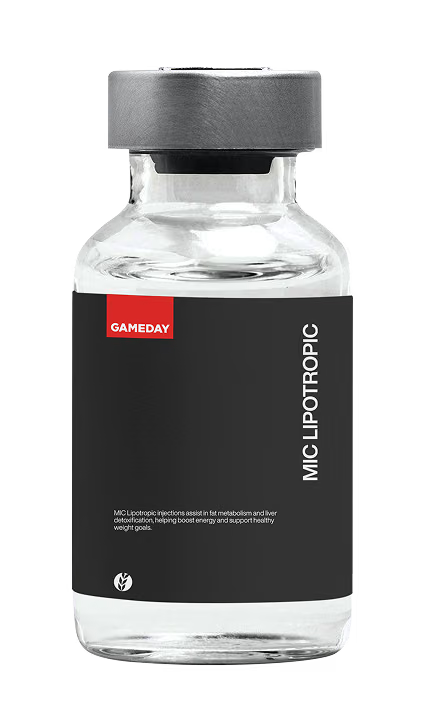
Vial of MIC Lipotropic and B12 injection used for metabolism support and fat-burning treatment at Gameday Men’s Health.
Metabolism Boost
Fat Loss Support
Best Seller

MIC Lipotropic + B12 Injections

MIC B12 injections deliver key nutrients designed to support fat metabolism, improve liver function and enhance overall energy. Ideal for men who train hard, travel often or need an extra metabolic boost, this therapy complements your lifestyle and helps your body make the most of your effort.

Read More...
SEE TREATMENT
SEE TREATMENT
Fit man holding a Clomid pill bottle, highlighting treatment options for boosting testosterone and supporting men’s wellness.Fit man holding a Clomid pill bottle, highlighting treatment options for boosting testosterone and supporting men’s wellness.
Don’t Just Read About It,
Feel The Difference.
Thousands of men have already taken the first step toward stronger energy, better performance, and lasting confidence. The science is real — and the results speak for themselves. Ready when you are.

Related Articles

Thoughtful man sitting and reflecting, representing concerns and potential side effects associated with minoxidil use
Minoxidil Side Effects: What to Know Before Using It
Learn about common and potential minoxidil side effects, why they occur, and what men should know before starting this popular hair loss treatment.
Man looking at his hair in the mirror, representing comparison between minoxidil vs finasteride treatments for hair loss and regrowth
Minoxidil vs Finasteride: What’s the Difference?
Compare minoxidil vs finasteride, including how each works, differences in treatment approach, potential side effects, and what men should know about hair loss options.
Man reading information on a laptop at home, researching how long phentermine stays in the body and its duration of effects
How Long Does Phentermine Stay in Your System?
How long does phentermine stay in your system? Learn about its half-life, how long effects last, and factors that influence detection and clearance.
Doctor holding a syringe during medical consultation, representing clinical administration and explanation of how semaglutide treatment works
How Does Semaglutide Work? A Clear Explanation
How does semaglutide work for weight management? Learn how this GLP-1 medication affects appetite, metabolism, and blood sugar — and why medical guidance matters
Vitamin B12 supplements and capsules with letter B labeling, illustrating dosage and supplementation considerations for maintaining healthy B12 levels
How Much Vitamin B12 Should I Take?
How much vitamin B12 should you take daily? Learn recommended dosages, when higher doses are needed, and why testing matters before supplementing.
Fit man standing confidently on a city street, representing healthy lifestyle outcomes often discussed when comparing liraglutide vs semaglutide treatments
Liraglutide vs Semaglutide: What’s the Difference?
Compare liraglutide vs semaglutide, including how they work, key differences, dosing considerations, and why provider-guided treatment decisions matter.
Thoughtful man sitting in a café reflecting, symbolizing considerations and potential side effects associated with phentermine treatment
Phentermine Side Effects: What to Expect
Learn about common and potential phentermine side effects, what’s normal, what to watch for, and why medical supervision is essential.
Man standing with a bicycle at sunset holding a cup of coffee, representing lifestyle and weight management conversations related to phentermine use
Does Phentermine Burn Fat or Just Suppress Appetite? What to Know
Does phentermine burn fat or just suppress appetite? Learn how phentermine works, what it actually does for weight loss, and why medical guidance matters.
Assortment of vitamin B12-rich foods including fish, vegetables, and fresh produce, highlighting natural dietary sources that support energy and overall health
Vitamin B12 Foods: Best Sources for Energy and Health
Discover the best vitamin B12 foods, how much you need, and who may still be at risk for deficiency despite a healthy diet.
Fit man standing and relaxing after a run, representing active lifestyle and weight management discussions around tirzepatide vs semaglutide medications
Tirzepatide vs Semaglutide: Key Differences, Benefits, and Considerations
Compare tirzepatide vs semaglutide, including how they work, key differences, side effects, and why medical guidance is essential when choosing a GLP-1 medication.
Athletic man holding a protein shaker with creatine, highlighting questions around supplements, fitness, and testosterone support in men.
Does Creatine Increase Testosterone?
Does creatine increase testosterone? Learn what research shows about creatine, hormones, and whether supplementation affects testosterone levels in men.
Man standing in an office setting with a thoughtful expression, representing careful consideration of testosterone therapy benefits and potential side effects.
Side Effects of Testosterone: What Men Should Know
Learn about the potential side effects of testosterone therapy, what’s normal, what to monitor, and why medical supervision is essential for safe treatment.