Thoughtful man sitting near a window, reflecting on symptoms and concerns associated with dangerously low testosterone levels.

What Is a Dangerously Low Testosterone Level?

Jan 30th, 2026
1
Min Read

Article / What Is a Dangerously Low Testosterone Level?

Testosterone is often associated with sex drive and performance, but its function in the male body goes far beyond performance in the bedroom. The influences of this hormone include muscle mass, bone strength, red blood cell production, mood regulation, cognitive function, and overall metabolic health. When testosterone levels fall too low, the effects can ripple through nearly every system in the body. These effects can be particularly prevalent for aging men. Studies show that pproximately 25% of men over 30 have low testosterone. (1)

For many men, low testosterone develops gradually and can be easy to dismiss as a normal reaction to aging or stress. However, when testosterone levels reach a certain level, it can do more than simply cause erectile dysfunction or mood swings.

When testosterone levels are dangerously low, health risks increase and quality of life can decline significantly. Understanding what those numbers are, how symptoms present themselves, and when to take action is critical.

In this guide, we’ll break down what constitutes a dangerously low level of testosterone and how low T is diagnosed. We’ll also examine what symptoms men should look out for, the risks associated with low testosterone, and how men can get the medical support they need to keep themselves on track.

What Are Normal Testosterone Levels?

Testosterone levels are measured through a blood test. While some research suggests they should be taken in the morning when levels are highest, that may be different for men over the age of 45. (2)

Results are reported in nanograms per deciliter, abbreviated as ng/dL. Most laboratories consider a total testosterone range of roughly 300 to 1,000 ng/dL to be normal for adult men. (3) With that said, there is no single number that defines optimal testosterone for every man, and several factors influence where a healthy level may fall.

Age-related decline plays a role when determining healthy T levels. Testosterone levels naturally decrease as men get older, often beginning in the late 30s or early 40s at a rate of about 1% per year. (4) This decline is usually gradual, but for some men it accelerates due to health conditions or lifestyle factors.

Reference ranges can also differ slightly depending on the testing laboratory and the specific assay used. While one lab may flag 280 ng/dL as low, another may not. While the literal number is important, clinical context and symptoms matter just as much.

It’s also important to remember that total testosterone is only part of the picture. Some men may have levels within the low-normal range but still experience significant symptoms due to low free testosterone, which is the portion of testosterone that is biologically active in the body.

What Is Considered Dangerously Low Testosterone?

Clinically, testosterone levels below 300 ng/dL are often considered low. Levels below 200 ng/dL raise more concern, and levels below 150 ng/dL are generally considered severely low. At these levels, the body may not have enough testosterone to support essential physiological functions. (5)

While these numbers are widely accepted in the medical community, clinicians will also consider other factors in determining when a man has T levels that are considered dangerous. For instance, one patient with a level of 180 ng-dL who does not have other symptoms of low testosterone may be put on a different treatment plan than another patient with higher levels who is also experiencing fatigue, depression, sexual dysfunction, and muscle loss. 

Extremely low testosterone can also indicate underlying medical issues such as testicular failure or problems with the pituitary or hypothalamus. (6) In these cases, low testosterone is not just a hormone imbalance but a sign of a broader health concern that needs immediate attention.

While understanding what is a low testosterone level is important, the bigger question is whether those levels are low enough to compromise your overall health.

Symptoms of Dangerously Low Testosterone

When testosterone drops to dangerously low levels, symptoms tend to be more severe and persistent. These symptoms often affect multiple aspects of men’s physical and mental health and can worsen over time if left untreated.

Common symptoms associated with dangerously low testosterone include: (7)

  • Severe fatigue that does not improve with rest
  • Significant reduction of muscle mass and strength
  • Consistent depressed mood, irritability, or loss of motivation
  • Decreased libido and erectile dysfunction
  • Cognitive issues such as poor concentration or memory problems

These symptoms can also overlap with other conditions, which is why testing and a thorough evaluation from a trusted men’s health professional like Gameday is essential. Men may shrug off these changes when they first appear and attribute them to aging, stress, work demands, or other factors. This can delay both diagnosis and treatment, which can make it more difficult to get testosterone levels back to their healthy range. 

Health Risks of Untreated Low Testosterone

Leaving dangerously low testosterone untreated over time can have serious long-term consequences. Testosterone plays a protective role in several key systems, and deficiency can accelerate disease processes.

One major concern with low testosterone levels is bone health. Low testosterone contributes to decreased bone mineral density, increasing the risk of osteopenia and osteoporosis. (8) This raises the likelihood of fractures, even from minor falls.

Metabolic health can also suffer when testosterone levels are well-below normal levels. Low testosterone is associated with increased body fat, insulin resistance, and unfavorable cholesterol levels. Over time, this can contribute to the development of type 2 diabetes and metabolic syndrome. (9)

Cardiovascular risk markers may increase as well. Low testosterone has been linked to diabetes, peripheral artery disease (PAD), coronary artery disease, and heart disease, although research is ongoing to determine their exact relationship to testosterone levels. (10)

Beyond physical risks, quality of life often declines. Men with severely low testosterone frequently report reduced confidence in their day-to-day life, diminished motivation, strained relationships, and decreased overall well-being.

What Causes Testosterone Levels to Drop This Low?

Alarmingly low testosterone levels can be the result of several factors beyond just aging. These can include both medical concerns and lifestyle choices that can drive testosterone levels down to dangerously low levels. 

Some of these causes may include: 

  • Primary testicular failure, where the testes are unable to produce adequate testosterone
  • Disorders of the pituitary or hypothalamus that disrupt hormone signaling
  • Chronic illnesses such as uncontrolled diabetes, kidney disease, or autoimmune conditions
  • Certain medications, including opioids, corticosteroids, and some antidepressants (11)
  • Severe or prolonged stress, rapid weight gain or loss, and extreme calorie restriction

In some cases of dangerously low T levels, multiple factors are involved at once. For example, a man dealing with obesity and sleep apnea may also have insulin resistance and chronic inflammation, all of which can suppress testosterone production.

Identifying the root cause of these critically low levels is essential, as it guides treatment decisions and helps rule out serious underlying conditions.

How Low Testosterone Is Diagnosed

Diagnosis begins with a detailed clinical evaluation. Your doctor will examine your current and prior symptoms, medical history, medication use, and lifestyle factors to get a full overview of what could be driving the issue. 

Blood testing to determine your exact testosterone levels is the next step. Because testosterone fluctuates, low results should be confirmed with repeat testing on a separate day.

In addition to total testosterone, clinicians may evaluate free testosterone, sex hormone-binding globulin, and other related hormones such as luteinizing hormone and follicle-stimulating hormone. These tests help determine whether the issue originates in the testes or higher up in the hormonal signaling pathway. (12)

When to Seek Medical Help

Men should consider medical evaluation if they experience persistent symptoms that interfere with daily life. This is especially true when those symptoms involve a loss of energy, changes in mood, lack of libido or sexual dysfunction, or physical performance while working out or in day-to-day tasks. 

Some signs indicate that more attention may be necessary. This may include rapid muscle loss, unexplained fatigue, persistent depressive symptoms, low libido,or concerns with infertility. These signs may be an indication that severely low testosterone levels are present, or that there is another underlying factor that requires treatment. 

Early evaluation matters. Addressing low testosterone as soon as possible can reduce the risk of complications and help restore quality of life. Waiting too long and hoping symptoms resolve on their own can often make things worse, and increase the odds of associated health risks.

How Gameday Men’s Health Helps Men with Low Testosterone

Gameday Men’s Health provides specialized care for men concerned about low testosterone and related symptoms. Our approach begins with comprehensive hormone testing that offers a clearer picture of your overall hormonal health.

From there, our clinicians design a treatment plan that’s personalized for your specific needs. Rather than applying a one-size-fits-all solution, our providers consider the complete range of symptoms, lab results, medical history, and individual health goals when discussing your options.  

Treatment options may include lifestyle changes, medication, or ongoing treatment options that aim to boost levels back to a healthy range like Testosterone Replacement Therapy (TRT). While no treatment plan is guaranteed to succeed, our clinics are designed to take your full health picture into account and find a solution that works best for your needs. 

For men dealing with dangerously low testosterone, a full evaluation and specific treatment plan can help you get back to feeling like yourself. If you’re ready to regain control over your health, contact your local Gameday Men’s Health today to schedule a consultation.


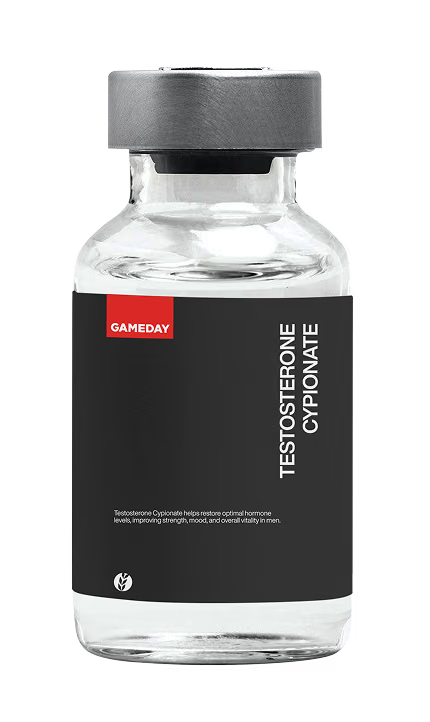
Close-up of a bottle of Testosterone Cypionate, a long-acting injectable testosterone medication prescribed to men seeking to restore hormone balance, energy, and vitality at Gameday Men's Health.
Steady Support
Strength
Best Seller

Testosterone Cypionate Injections

Testosterone Cypionate provides long-acting hormone support through periodic injections that maintain steady testosterone levels. This option enhances muscle strength, bone health and overall vitality. Beneficial for men with confirmed hormone deficiency and performance-focused goals.

Read More...
SEE TREATMENT
SEE TREATMENT
Two prescription bottles side by side, one containing Clomid and the other Enclomiphene, representing medically guided treatments for low testosterone levels at Gameday Men's Health.
Hormone Balance
Fertility
Best Seller

Clomid / Enclomiphene

Clomid and Enclomiphene work by stimulating your body’s hormonal response to naturally boost testosterone and support fertility. Ideal for men who want to reclaim hormone balance without traditional testosterone injections, this protocol supports libido, sperm health and vitality through guided care.

Read More...
SEE TREATMENT
SEE TREATMENT
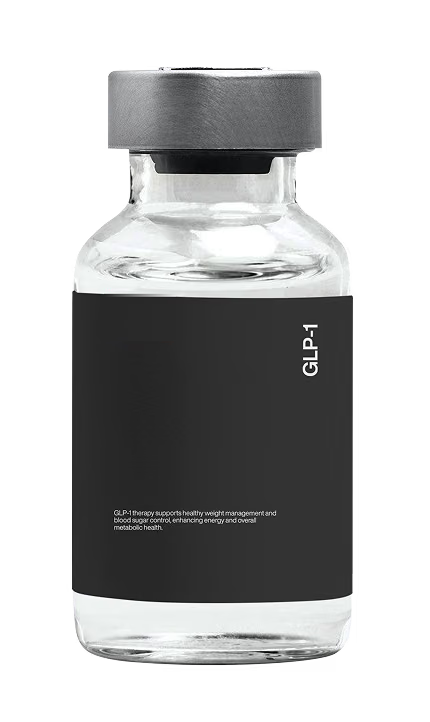
GLP-1 medication vial used for weekly weight loss injections at Gameday Men’s Health.
Balance
Best Seller

GLP-1 Medications

GLP-1 therapy supports appetite regulation and blood sugar control to help men achieve steady, sustainable weight loss and improved metabolic health. For men who have tried diet and exercise yet still struggle with excess weight or energy dips, GLP-1 offers a medically-supervised option that aligns with performance, wellness and hormonal balance.

Read More...
SEE TREATMENT
SEE TREATMENT
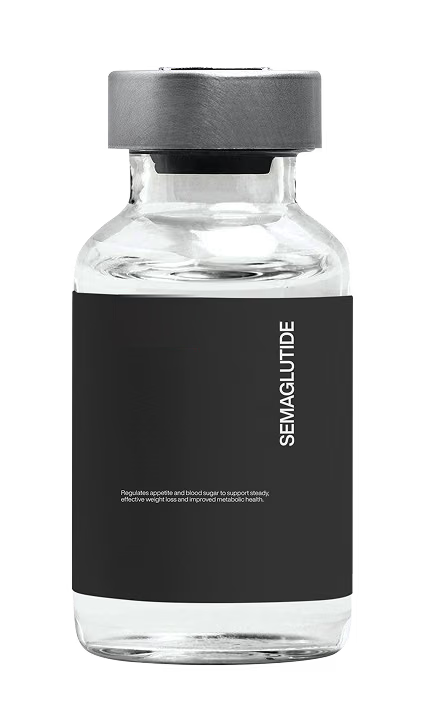
Semaglutide medication vial for medical weight-loss treatment at Gameday Men's Health.
Weight Loss
Appetite Control
Best Seller

Semaglutide

Semaglutide is a GLP-1 medication that helps reduce appetite, curb cravings, and improve metabolic function to support steady, sustainable weight loss. By slowing gastric emptying and improving insulin response, semaglutide makes it easier for men to stay consistent with nutrition and see meaningful progress. At Gameday Men’s Health, semaglutide is integrated into a personalized weight-management program designed to help men lose weight safely and effectively.

Read More...
SEE TREATMENT
SEE TREATMENT
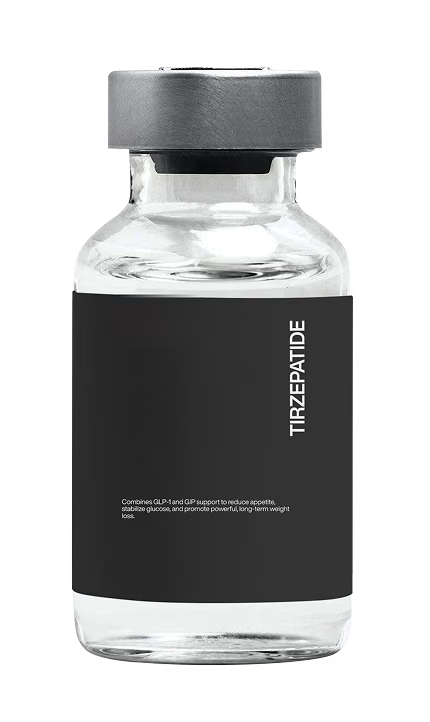
Gameday Men’s Health Tirzepatide injection vial designed for medical weight loss, appetite control, improved metabolic health, and long-term weight management support.
Metabolism Boost
Appetite Control
Best Seller

Tirzepatide

Tirzepatide is a dual-action metabolic therapy that supports weight control by improving insulin sensitivity, reducing appetite, and enhancing satiety. It helps regulate blood sugar levels and supports steady fat loss when combined with proper nutrition and lifestyle habits. This option is ideal for men seeking a guided, medically supervised approach to sustainable weight-management results.

Read More...
SEE TREATMENT
SEE TREATMENT
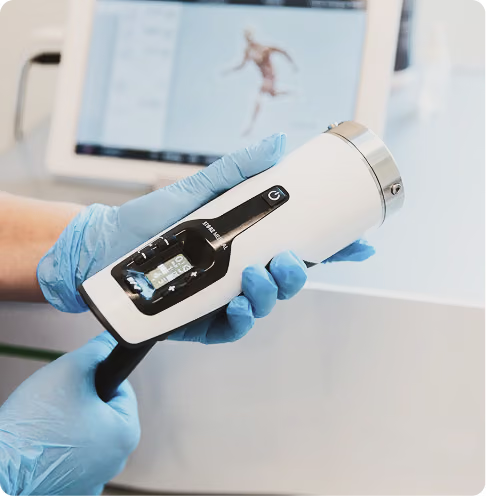
Close-up of a shockwave therapy device used in non-invasive erectile dysfunction treatment, designed to improve blood flow and stimulate new blood vessel growth at Gameday Men's Health.
Regeneration
Restoration
Best Seller

Shockwave therapy for Erectile Dysfunction

Shockwave therapy uses low-intensity acoustic waves to stimulate new blood vessel growth and tissue regeneration. It’s a safe, non-invasive treatment that improves erectile function, sensation, and long-term performance without medication.

Read More...
SEE TREATMENT
SEE TREATMENT
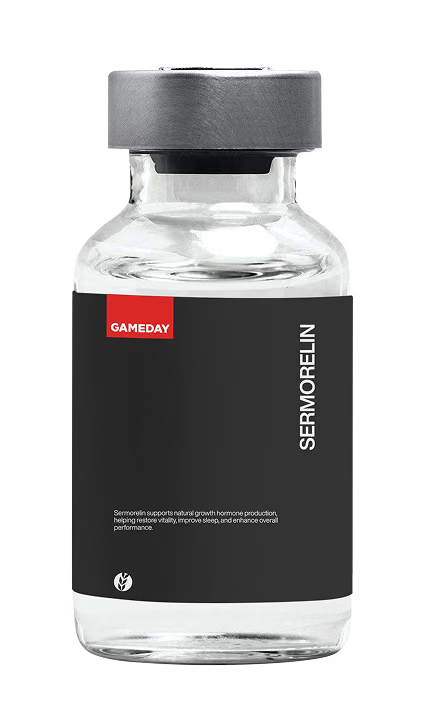
Sermorelin peptide therapy vial used to support growth hormone production at Gameday Men’s Health.
Recovery
Vitality
Best Seller

Sermorelin Peptide Injections

Sermorelin stimulates your body’s natural growth hormone production, supporting lean muscle, enhanced recovery, improved sleep and greater vitality. Ideal for men seeking a restorative, lifestyle-focused approach to aging well and maintaining energy, strength and overall wellness.

Read More...
SEE TREATMENT
SEE TREATMENT
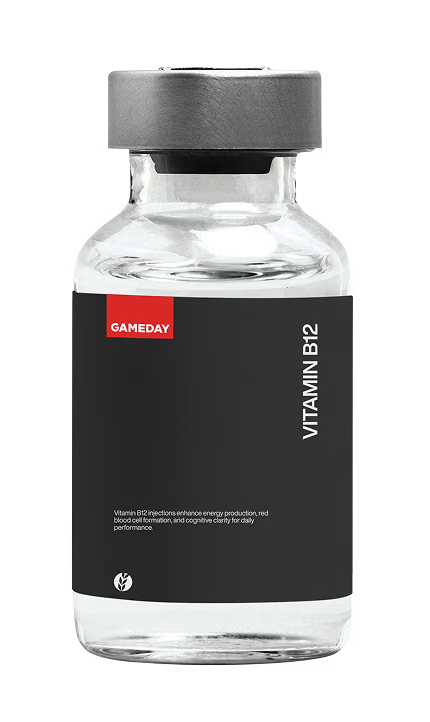
Bottle of Vitamin B12 injection used for energy support and metabolic health at Gameday Men’s Health.
Energy
Best Seller

Vitamin B12 injections

Vitamin B12 injections help boost energy, improve focus and support metabolic health by delivering a potent dose of this essential nutrient directly into your bloodstream. At Gameday we use B12 to support red blood cell and nerve health in men who feel fatigued or need a reliable vitality boost.

Read More...
SEE TREATMENT
SEE TREATMENT
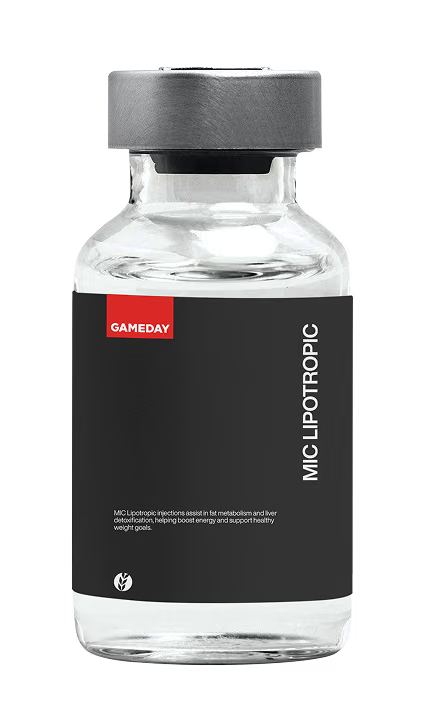
Vial of MIC Lipotropic and B12 injection used for metabolism support and fat-burning treatment at Gameday Men’s Health.
Metabolism Boost
Fat Loss Support
Best Seller

MIC Lipotropic + B12 Injections

MIC B12 injections deliver key nutrients designed to support fat metabolism, improve liver function and enhance overall energy. Ideal for men who train hard, travel often or need an extra metabolic boost, this therapy complements your lifestyle and helps your body make the most of your effort.

Read More...
SEE TREATMENT
SEE TREATMENT
Fit man holding a Clomid pill bottle, highlighting treatment options for boosting testosterone and supporting men’s wellness.Fit man holding a Clomid pill bottle, highlighting treatment options for boosting testosterone and supporting men’s wellness.
Don’t Just Read About It,
Feel The Difference.
Thousands of men have already taken the first step toward stronger energy, better performance, and lasting confidence. The science is real — and the results speak for themselves. Ready when you are.

Related Articles

Man with diabetes holding a pill at home, reflecting how blood sugar control and diabetes can impact erectile function and sexual health.
Can Diabetes Cause Erectile Dysfunction? Understanding the Connection
Can diabetes cause erectile dysfunction? Learn how blood sugar affects erections, why ED is common in diabetic men, and what treatment options are available.
Thoughtful man holding pills as he compares oral testosterone and injectable TRT treatments.
Oral Testosterone vs Injection: Which TRT Option Is Best for You?
Compare oral testosterone vs injections to understand effectiveness, convenience, results, and safety. Learn which TRT method fits your goals and how Gameday Men’s Health creates personalized treatment plans.
Couple enjoying time together in the kitchen, reflecting confidence, intimacy, and sexual health balance.
How to Maintain Sexual Health: A Men’s Guide for 2026
Discover how to maintain sexual health with proven lifestyle habits, hormone balance, stress reduction, and modern men’s health treatments. Learn practical steps to feel confident in 2026.
Man taking an oral TRT medication while considering side effects and long-term hormone health.
Oral TRT Side Effects: What Men Should Know in 2026
Learn the most common oral TRT side effects, how modern oral testosterone works, and how medical monitoring keeps treatment safe. Explore your personalized TRT options.
Man’s hand holding a vitamin supplement designed to support libido and sexual health.
Best Vitamins for Men’s Sexual Health
Discover the best vitamins for men’s sexual health. Learn how key nutrients support libido, testosterone, energy, and performance — and when to seek professional help.
Thoughtful man standing by a window, reflecting on erectile dysfunction treatment options and long-term sexual health.
How to Cure Erectile Dysfunction: What Men Need to Know
Can erectile dysfunction be cured? Learn what causes ED, which types are reversible, and what treatments actually work for long-term improvement.
Man and woman sitting apart on a bed looking concerned, illustrating relationship stress related to erectile dysfunction and medication side effects.
Does Lisinopril Cause Erectile Dysfunction?
Does lisinopril cause erectile dysfunction? Learn how blood pressure medications affect erections, what the research shows, and what men can do if ED occurs.
Thoughtful man reading while seated on the floor, reflecting proactive steps toward erectile dysfunction prevention.
How to Prevent Erectile Dysfunction
Learn how to prevent erectile dysfunction by reducing risk factors, improving lifestyle habits, and addressing health issues early.
Stressed man sitting at his office desk, illustrating how chronic stress and mental fatigue can contribute to erectile dysfunction in men.
Can Stress Cause Erectile Dysfunction?
Can stress cause erectile dysfunction? Learn how stress and anxiety affect erections, why stress-related ED is common, and what men can do to improve performance.
Man looking closely in the mirror as he notices early hair loss and thinning at the hairline.
How to Prevent Hair Loss in Men
Learn how to prevent hair loss in men, what causes thinning hair, and which treatments can help slow loss and support regrowth.
Close-up of a man examining his hairline, illustrating early signs and common causes of hair loss in men.
What Causes Hair Loss in Men?
Learn what causes hair loss in men, from genetics and hormones to stress and lifestyle factors, and when professional treatment may help.
Doctor holding two different pills in each hand, clearly displaying Viagra and Cialis to illustrate the comparison between the two erectile dysfunction medications.
Difference Between Viagra and Cialis: Which Is Right for You?
Learn the key differences between Viagra and Cialis, including onset time, duration, effectiveness, and safety. Find out which ED medication may be right for you.