
Erectile Dysfunction: Gain confidence with peak sexual health

Performance issues got you down? You're not alone. Get back in the game discreetly and effectively through proven solutions.

Smiling couple embracing in bed, reflecting the emotional and physical benefits of effective erectile dysfunction treatment offered by Gameday Men’s Health.

Why Medical Weight Loss?

With small weekly injections, you can experience significant weight loss to look and feel your best. In combination with a healthy diet and exercise, you can achieve and maintain maximum results.

What causes erectile disfunction?

Erectile dysfunction may be caused by a variety of factors.

  • Heart disease
  • Low testosterone
  • Work stress
  • Tobacco use
  • Depression
  • Obesity
  • Medications
  • Diabetes
  • Alcoholism
  • High cholesterol
  • Enlarged prostate
  • Relationship issues

Signs of erectile dysfunction

Difficulty achieving an erection

Difficulty achieving an erection

Reduced sexual desire

Reduced sexual desire

Difficulty maintaining an erection

Difficulty maintaining an erection

Low testosterone

Low testosterone

Premature ejaculation

Premature ejaculation

Treatments

Products may include compounded products which have not been approved by the FDA. The FDA does not verify the safety or effectiveness of compounded drugs.

Improve your sex life

Increase your confidence and endurance in the bedroom once again.

Discreet, fast appointments

Discreet, fast appointments

Privacy and efficiency reign supreme. Get in, get treated, and get on with your life.

Cutting-edge therapies

Cutting-edge therapies

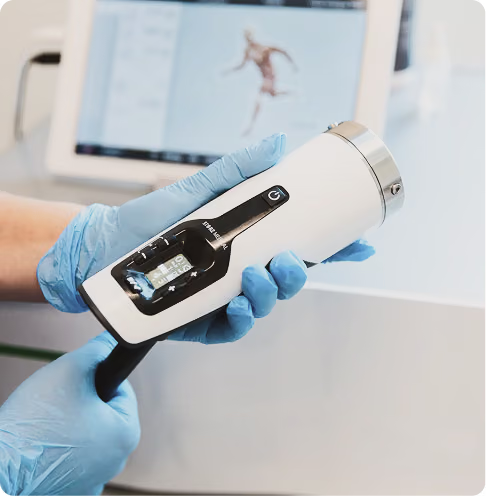
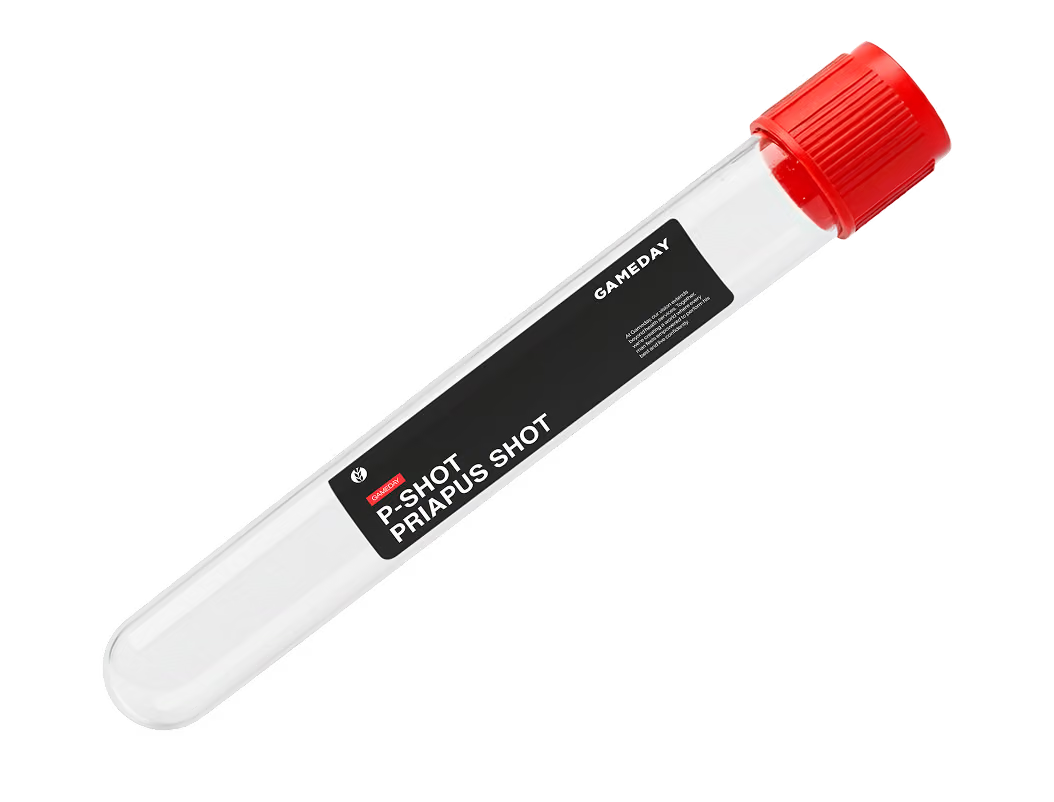
From GAINSWave® to the P-Shot and beyond, access the right ED treatment according to your unique circumstance.

ED medical specialists

ED medical specialists

Work with men’s health experts who speak your language, plain and simple. Just the facts and the fix.

Thoughtful man sitting near a window, reflecting on symptoms and concerns associated with dangerously low testosterone levels.
What Is a Dangerously Low Testosterone Level?

Testosterone is often associated with sex drive and performance, but its function in the male body goes far beyond performance in the bedroom. The influences of this hormone include muscle mass, bone strength, red blood cell production, mood regulation, cognitive function, and overall metabolic health. When testosterone levels fall too low, the effects can ripple through nearly every system in the body. These effects can be particularly prevalent for aging men. Studies show that pproximately 25% of men over 30 have low testosterone. (1)

For many men, low testosterone develops gradually and can be easy to dismiss as a normal reaction to aging or stress. However, when testosterone levels reach a certain level, it can do more than simply cause erectile dysfunction or mood swings.

When testosterone levels are dangerously low, health risks increase and quality of life can decline significantly. Understanding what those numbers are, how symptoms present themselves, and when to take action is critical.

In this guide, we’ll break down what constitutes a dangerously low level of testosterone and how low T is diagnosed. We’ll also examine what symptoms men should look out for, the risks associated with low testosterone, and how men can get the medical support they need to keep themselves on track.

What Are Normal Testosterone Levels?

Testosterone levels are measured through a blood test. While some research suggests they should be taken in the morning when levels are highest, that may be different for men over the age of 45. (2)

Results are reported in nanograms per deciliter, abbreviated as ng/dL. Most laboratories consider a total testosterone range of roughly 300 to 1,000 ng/dL to be normal for adult men. (3) With that said, there is no single number that defines optimal testosterone for every man, and several factors influence where a healthy level may fall.

Age-related decline plays a role when determining healthy T levels. Testosterone levels naturally decrease as men get older, often beginning in the late 30s or early 40s at a rate of about 1% per year. (4) This decline is usually gradual, but for some men it accelerates due to health conditions or lifestyle factors.

Reference ranges can also differ slightly depending on the testing laboratory and the specific assay used. While one lab may flag 280 ng/dL as low, another may not. While the literal number is important, clinical context and symptoms matter just as much.

It’s also important to remember that total testosterone is only part of the picture. Some men may have levels within the low-normal range but still experience significant symptoms due to low free testosterone, which is the portion of testosterone that is biologically active in the body.

What Is Considered Dangerously Low Testosterone?

Clinically, testosterone levels below 300 ng/dL are often considered low. Levels below 200 ng/dL raise more concern, and levels below 150 ng/dL are generally considered severely low. At these levels, the body may not have enough testosterone to support essential physiological functions. (5)

While these numbers are widely accepted in the medical community, clinicians will also consider other factors in determining when a man has T levels that are considered dangerous. For instance, one patient with a level of 180 ng-dL who does not have other symptoms of low testosterone may be put on a different treatment plan than another patient with higher levels who is also experiencing fatigue, depression, sexual dysfunction, and muscle loss. 

Extremely low testosterone can also indicate underlying medical issues such as testicular failure or problems with the pituitary or hypothalamus. (6) In these cases, low testosterone is not just a hormone imbalance but a sign of a broader health concern that needs immediate attention.

While understanding what is a low testosterone level is important, the bigger question is whether those levels are low enough to compromise your overall health.

Symptoms of Dangerously Low Testosterone

When testosterone drops to dangerously low levels, symptoms tend to be more severe and persistent. These symptoms often affect multiple aspects of men’s physical and mental health and can worsen over time if left untreated.

Common symptoms associated with dangerously low testosterone include: (7)

  • Severe fatigue that does not improve with rest
  • Significant reduction of muscle mass and strength
  • Consistent depressed mood, irritability, or loss of motivation
  • Decreased libido and erectile dysfunction
  • Cognitive issues such as poor concentration or memory problems

These symptoms can also overlap with other conditions, which is why testing and a thorough evaluation from a trusted men’s health professional like Gameday is essential. Men may shrug off these changes when they first appear and attribute them to aging, stress, work demands, or other factors. This can delay both diagnosis and treatment, which can make it more difficult to get testosterone levels back to their healthy range. 

Health Risks of Untreated Low Testosterone

Leaving dangerously low testosterone untreated over time can have serious long-term consequences. Testosterone plays a protective role in several key systems, and deficiency can accelerate disease processes.

One major concern with low testosterone levels is bone health. Low testosterone contributes to decreased bone mineral density, increasing the risk of osteopenia and osteoporosis. (8) This raises the likelihood of fractures, even from minor falls.

Metabolic health can also suffer when testosterone levels are well-below normal levels. Low testosterone is associated with increased body fat, insulin resistance, and unfavorable cholesterol levels. Over time, this can contribute to the development of type 2 diabetes and metabolic syndrome. (9)

Cardiovascular risk markers may increase as well. Low testosterone has been linked to diabetes, peripheral artery disease (PAD), coronary artery disease, and heart disease, although research is ongoing to determine their exact relationship to testosterone levels. (10)

Beyond physical risks, quality of life often declines. Men with severely low testosterone frequently report reduced confidence in their day-to-day life, diminished motivation, strained relationships, and decreased overall well-being.

What Causes Testosterone Levels to Drop This Low?

Alarmingly low testosterone levels can be the result of several factors beyond just aging. These can include both medical concerns and lifestyle choices that can drive testosterone levels down to dangerously low levels. 

Some of these causes may include: 

  • Primary testicular failure, where the testes are unable to produce adequate testosterone
  • Disorders of the pituitary or hypothalamus that disrupt hormone signaling
  • Chronic illnesses such as uncontrolled diabetes, kidney disease, or autoimmune conditions
  • Certain medications, including opioids, corticosteroids, and some antidepressants (11)
  • Severe or prolonged stress, rapid weight gain or loss, and extreme calorie restriction

In some cases of dangerously low T levels, multiple factors are involved at once. For example, a man dealing with obesity and sleep apnea may also have insulin resistance and chronic inflammation, all of which can suppress testosterone production.

Identifying the root cause of these critically low levels is essential, as it guides treatment decisions and helps rule out serious underlying conditions.

How Low Testosterone Is Diagnosed

Diagnosis begins with a detailed clinical evaluation. Your doctor will examine your current and prior symptoms, medical history, medication use, and lifestyle factors to get a full overview of what could be driving the issue. 

Blood testing to determine your exact testosterone levels is the next step. Because testosterone fluctuates, low results should be confirmed with repeat testing on a separate day.

In addition to total testosterone, clinicians may evaluate free testosterone, sex hormone-binding globulin, and other related hormones such as luteinizing hormone and follicle-stimulating hormone. These tests help determine whether the issue originates in the testes or higher up in the hormonal signaling pathway. (12)

When to Seek Medical Help

Men should consider medical evaluation if they experience persistent symptoms that interfere with daily life. This is especially true when those symptoms involve a loss of energy, changes in mood, lack of libido or sexual dysfunction, or physical performance while working out or in day-to-day tasks. 

Some signs indicate that more attention may be necessary. This may include rapid muscle loss, unexplained fatigue, persistent depressive symptoms, low libido,or concerns with infertility. These signs may be an indication that severely low testosterone levels are present, or that there is another underlying factor that requires treatment. 

Early evaluation matters. Addressing low testosterone as soon as possible can reduce the risk of complications and help restore quality of life. Waiting too long and hoping symptoms resolve on their own can often make things worse, and increase the odds of associated health risks.

How Gameday Men’s Health Helps Men with Low Testosterone

Gameday Men’s Health provides specialized care for men concerned about low testosterone and related symptoms. Our approach begins with comprehensive hormone testing that offers a clearer picture of your overall hormonal health.

From there, our clinicians design a treatment plan that’s personalized for your specific needs. Rather than applying a one-size-fits-all solution, our providers consider the complete range of symptoms, lab results, medical history, and individual health goals when discussing your options.  

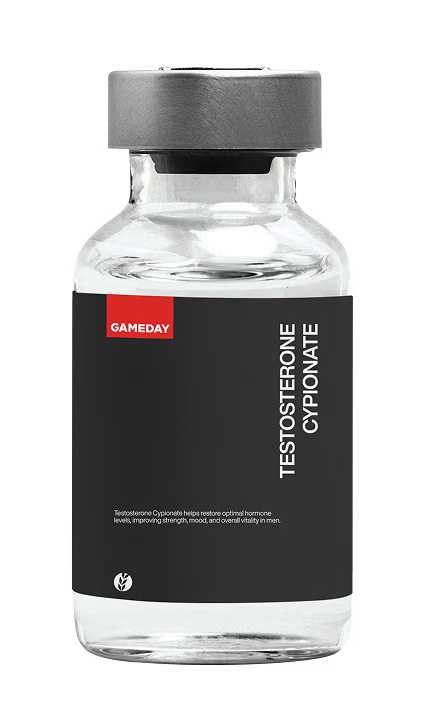
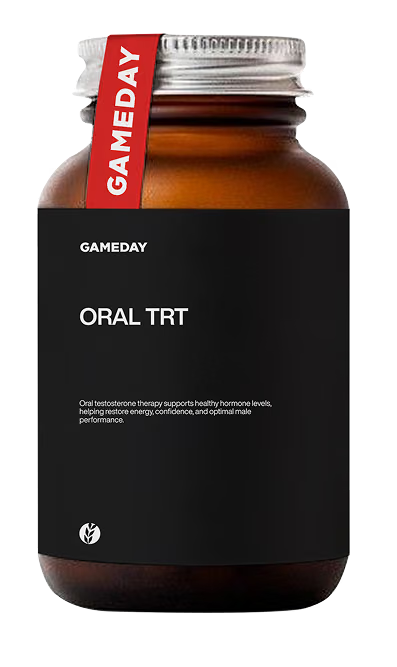
Treatment options may include lifestyle changes, medication, or ongoing treatment options that aim to boost levels back to a healthy range like Testosterone Replacement Therapy (TRT). While no treatment plan is guaranteed to succeed, our clinics are designed to take your full health picture into account and find a solution that works best for your needs. 

For men dealing with dangerously low testosterone, a full evaluation and specific treatment plan can help you get back to feeling like yourself. If you’re ready to regain control over your health, contact your local Gameday Men’s Health today to schedule a consultation.

References

  1. Low Testosterone: Are you “One in Four”?
  2. Does early morning versus late morning draw time influence apparent testosterone concentration in men aged > or =45 years? Data from the Hypogonadism In Males study 
  3. Keep Testosterone in Balance 
  4. Why Are Testosterone Levels Decreasing? 
  5. Evaluation and Management of Testosterone Deficiency (2024) 
  6. Hypogonadism in Male Adults 
  7. 5 Signs You're Suffering from a Testosterone Deficiency and What to Do About It 
  8. Testosterone and Bone Health in Men: A Narrative Review 
  9. Testosterone and the metabolic syndrome 
  10. Testosterone and the heart 
  11. What Medications Cause Low Testosterone 
  12. Laboratory Assessment of Testicular Function

Close-up of a man examining his hairline, illustrating early signs and common causes of hair loss in men.
What Causes Hair Loss in Men?

Hair loss is one of the most common concerns men face as they age. As of 2025, nearly 43% of Americans and 41% of Canadians have male pattern baldness. (1)  Some men notice a receding hairline as early as their twenties, while others experience thinning much later in life. For many, hair loss seems to appear gradually without a clear explanation of why it is occurring. 

Understanding why hair loss happens is the first and most important step toward managing it effectively. While genetics play a major role, they are far from the only factor, and starting hair regeneration treatment early substantially increases the chances of maintaining your hair. Hormones, stress, medical conditions, lifestyle habits, and even certain medications can all influence hair health.

In this article, we’ll break down the most common causes of hair loss in men, explain the differences between normal signs of hair loss and more alarming symptoms, and examine the medication and treatment options available for men experiencing hair loss. 

Male Pattern Baldness (Androgenetic Alopecia)

Male pattern baldness, also known as androgenetic alopecia, is by far the most common cause of hair loss in men. It affects the majority of men at some point in their lives and is largely driven by genetics and hormones.

This condition occurs when hair follicles are genetically sensitive to a hormone called dihydrotestosterone, or DHT. DHT is a byproduct of testosterone and plays an important role in male development. However, in men who are genetically predisposed, DHT causes hair follicles on the scalp to shrink over time. (2)

As follicles shrink, the hair they produce becomes thinner, shorter, and lighter. Eventually, the follicle may stop producing hair altogether. This process occurs over years and decades, gradually getting worse as men get older. 

The pattern of hair loss is usually predictable. Many men first notice a receding hairline at the temples, while others experience thinning at the crown of the head. Over time, these areas may expand and connect, leaving hair on the sides and back of the scalp while the top becomes sparse or bald.

Male pattern baldness is genetic. Having a close male relative (on either your mother or father’s side) with hair loss increases the likelihood of experiencing androgenetic alopecia yourself, but there are no guarantees about the pattern or timeline. The rate of progression can vary widely from one man to another. (3)

Hormones and Hair Loss

Hormones play a central role in hair growth and loss, especially in men. While testosterone itself is not the direct cause of hair loss, its conversion into DHT is a key factor. Men with higher sensitivity to DHT in scalp hair follicles are more likely to experience thinning and baldness.

Hormonal imbalances can also contribute to hair loss beyond classic male pattern baldness. Low testosterone levels may disrupt the normal hair growth cycle, leading to increased shedding or slower regrowth. Other hormonal issues, such as elevated cortisol from chronic stress, can further interfere with healthy hair production. (4)

Hair grows in cycles that include growth, rest, and shedding phases. Hormonal disruptions can push more hairs into the shedding phase at the same time, making hair appear thinner overall. While some of this shedding may be temporary, ongoing imbalances can make maintaining or recovering hair more difficult. (5)

Regular hormone evaluations can make a major difference, especially when hair loss is accompanied by other symptoms such as fatigue, low libido, mood changes, or difficulty maintaining muscle mass. Addressing underlying hormonal issues may not stop hair loss altogether, but it can support healthier hair and slow the progression of balding. 

Stress and Hair Loss

Stress is an often overlooked contributor to hair loss. Both physical and emotional stress can affect the hair growth cycle in significant ways. Common stressors like major life changes, illnesses, surgery, or stresses from work, finances, or family issues can lead to increased shedding. 

One common condition is telogen effluvium, a type of hair loss that occurs after substantial stress. This occurs when stress pushes a large number of hair follicles into the resting phase at once. Several months later, those hairs shed more noticeably, often during washing or brushing. While this type of hair loss is usually temporary, it can be alarming for men experiencing it. (6)

Stress does not typically cause permanent baldness on its own, but it can accelerate existing hair loss in men who are already genetically predisposed to hair loss. Elevated stress hormones can worsen inflammation and disrupt blood flow to the scalp, making hair follicles more vulnerable.

Managing stress can improve not only your mental health but also your hormonal balance, including maintaining healthy hair growth

Medical Conditions That Cause Hair Loss

While genetics and stress are two major factors that cause hair loss, there are also numerous medical conditions that can lead to temporary or, at times, permanent baldness.  Identifying these conditions can help men treat the underlying cause causing hair loss, rather than seeking out ineffective solutions. 

One example of a medical condition that can lead to hair loss is thyroid disorders. Both an underactive and overactive thyroid can disrupt hair growth cycles, leading to diffuse thinning across the scalp rather than a specific pattern. (7)

Autoimmune conditions can also cause hair loss, a condition known as alopecia areata. In some cases, the immune system mistakenly attacks hair follicles, resulting in patchy hair loss on the scalp or other parts of the body. (8) Nutritional deficiencies are another factor. Low levels of iron, vitamin D, B vitamins, or protein can impair hair production. 

Chronic illnesses that place long-term stress on the body can similarly impact hair growth. These conditions may include lupus, cancer, burning scalp syndrome, or certain eating disorders. (9)

Lifestyle Factors That Contribute to Hair Loss

Daily habits can also subtly influence hair health over time. While lifestyle factors alone won’t cause baldness, they can quicken the pace of hair thinning or slow down the regrowth process. 

Poor nutrition and diet can be an indirect cause of hair loss. A diet low in essential nutrients deprives hair follicles of the building blocks they need to function properly. Iron, vitamin D, and zinc are among the most important nutrients to support hair growth and restoration. (10)

Smoking reduces blood flow and oxygen delivery to the scalp, which can weaken hair follicles, while excessive alcohol intake may contribute to dehydration and nutrient deficiencies. Some aggressive grooming practices such as tight hairstyles or frequent heat styling can place unnecessary stress on hair shafts and follicles. (11)

Improving lifestyle habits supports overall health and may help preserve existing hair. While it may not reverse genetic hair loss, it can create a healthier environment for hair growth.

Medications and Hair Loss

It’s important to be aware of all side effects before starting any medication, as some may increase the chances of hair loss. While this does not mean these medications will necessarily cause hair loss in everyone who takes them,some men may be more sensitive to their effects. 

Retinoids, antidepressants, anticonvulsants, and beta-blockers are among the medications that have an increased likelihood of causing hair loss. (12)

It is important not to stop or adjust any prescribed medication without medical guidance, as abruptly discontinuing treatment can pose serious health risks. If hair loss begins after starting a new medication, your healthcare provider can help determine whether the medication may be contributing to the issue and discuss possible alternatives. In some cases, medication-related hair loss is temporary, and the condition improves once the body adjusts. 

When Hair Loss Is a Sign to Seek Help

Hair loss is often gradual and mostly predictable, especially when it comes to male pattern baldness. However, there are certain hair-loss related symptoms that call for professional attention. These include: 

  • Sudden or rapid hair shedding over a short period
  • Patchy hair loss or bald spots that appear abruptly
  • Hair loss accompanied by fatigue, weight changes, or other new symptoms
  • Hair thinning at a younger age than expected or the issue progressing quickly

Early evaluation offers clear benefits. Identifying the cause sooner allows for more effective intervention and may slow or stabilize further loss. It also helps rule out medical conditions that require treatment beyond hair-focused therapies.

How Gameday Men’s Health Helps Address Hair Loss

At Gameday Men’s Health, we strive to find the underlying cause when it comes to hair loss. Thinning hair could be related to genetics, hormones, medical issues, lifestyle habits, or a combination of factors, so finding the right solution depends on each patient’s individual situation.

At Gameday, we provide PRP (platelet-rich plasma) therapy for hair loss. This treatment plan involves taking a small amount of blood and placing it into a centrifuge to isolate healing growth factors.  These growth factors are then injected into targeted areas of your scalp to stimulate weakened hair follicles and help reactivate growth cycles.

This therapy is natural, non-surgical, and personalized for male pattern baldness and other thinning patterns. Most men begin with an initial series of three to four sessions spaced several weeks apart and may continue maintenance treatments over time. The process is performed in-office with minimal downtime and has a low risk of side effects. 

PRP at Gameday is part of a broader hair restoration strategy. Your provider can explain how PRP fits with other options that may support better hair density and slower shedding based on your specific pattern and goals.

If you’re interested in learning more about what causes hair loss, or if you’re curious about how PRP could benefit you, contact your local Gameday Men’s Health location today to schedule a consultation. 

References

  1. Percentage of Bald Males by Country 2026 
  2. Male Androgenetic Alopecia 
  3. Male Hair Loss & Pattern Baldness in Men 
  4. Stress and the Hair Growth Cycle: Cortisol-Induced Hair Growth Disruption 
  5. Hormonal Effects on Hair Follicles 
  6. Telogen Effluvium 
  7. Hair loss and thyroid disorders 
  8. Alopecia Areata 
  9. Understanding Types of Disease That Cause Hair Loss 
  10. How Diet Affects Hair Loss 
  11. Can Certain Hair Styling Cause Hair Loss 
  12. 14 Medications That Cause Hair Loss

Stressed man sitting at his office desk, illustrating how chronic stress and mental fatigue can contribute to erectile dysfunction in men.
Can Stress Cause Erectile Dysfunction?

No matter who you are, you’re likely dealing with at least some level of stress. Whether it’s related to work, financial responsibilities, family obligations, or even world events, stress can sometimes feel overwhelming. While short bursts of stress are perfectly normal and can be tolerated, chronic stress can take a serious toll on both physical and mental health. 

For men, high stress levels can begin to affect performance in the bedroom and cause erectile dysfunction.  Erections may feel less reliable, harder to maintain, or absent altogether. When this happens, it is common to wonder whether stress alone can cause erectile dysfunction or if something more serious is going on. (1)

The reality is that stress and erectile dysfunction are closely connected. Erections depend on a precise interaction between the brain, hormones, nerves, blood vessels, and muscles. When stress interferes with any part of that system, sexual performance can suffer.

However, it’s also important to know when stress may be masking an underlying physical condition leading to ED. In this guide, we’ll examine how stress can affect erections, and how to understand the key differences between physically-triggers and psychological-triggered ED. 

How Stress Affects Erections

Achieving an erection is not purely physical. Erections begin in the brain and rely on signals being sent smoothly through the nervous system. Stress disrupts this process in several important ways.

When the body perceives stress, it activates the fight-or-flight response. This response evolved to help humans survive danger, not to support sexual function. During fight-or-flight, the body prioritizes systems needed for immediate survival and temporarily suppresses others, which may include arousal. 

One of the first changes involves blood flow. Stress causes blood vessels to constrict, redirecting blood toward vital organs like the heart and muscles. As a result, less blood is available for the penis, making it difficult to achieve or maintain an erection. (2)

Stress also interferes with nerve signaling. Erections depend on relaxed smooth muscle and clear communication between the brain and penile nerves. Anxiety and mental distraction can interrupt these signals, preventing the body from responding properly to sexual stimulation. (3)

Hormones can also play a major role. Chronic stress increases cortisol levels, the body’s primary stress hormone. Elevated cortisol over time can suppress testosterone production. Since testosterone supports libido, erectile function, and overall sexual confidence, lower levels can further contribute to erectile difficulties.

In short, stress creates a biological environment that works against healthy erections, even in otherwise healthy men.

Psychological vs Physical Erectile Dysfunction

Erectile dysfunction is often divided into psychological and physical categories, but the distinction is not always so clear-cut. 

Stress-related erectile dysfunction is often situational. A man may have normal erections in some circumstances but struggle to reach peak performance during periods of intense stress or anxiety. Also, erections may occur during sleep or masturbation but not during sex with a partner. This pattern often points to a psychological or stress-driven component to ED.  (4)

Physical erectile dysfunction tends to be more consistent. For example, men with vascular disease, nerve damage, or hormonal imbalances often experience ongoing difficulties regardless of situation or stress level. (5) When erectile dysfunction is physical, erections may gradually weaken over time rather than fluctuate from day to day.

Many men who suffer from ED experience a combination of both psychological and physical ED. Stress can trigger erectile dysfunction initially, and repeated episodes may then create performance anxiety. In turn, that anxiety can further increase stress, reinforcing the problem. Over time, this cycle can make occasional performance issues feel persistent and overwhelming.

Recognizing that erectile dysfunction is rarely caused by one single factor can help men approach treatment with a more balanced mindset. 

Common Stress-Related Triggers for ED

Stress comes in many forms, and not all stress feels the same to the body. Certain types of stress are especially likely to interfere with sexual performance.

Common stress-related triggers for erectile dysfunction include:

  • Work pressure, such as working long hours, feeling insecure about your job, or  dealing with high-responsibility roles
  • Financial stress related to debt, unexpected expenses, or long-term financial planning
  • Relationship issues such as unresolved conflict, poor communication, or emotional distance
  • Performance anxiety, especially after a previous episode of erectile difficulty
  • Poor sleep caused by stress, irregular schedules, or insomnia 

These stressors can often overlap and compound one another. For example, work stress may disrupt sleep, which then lowers testosterone and increases irritability. Relationship tension may increase performance anxiety, making erections feel unpredictable. Over time, the body remains stuck in a stress response that undermines sexual function.

Can Stress-Related ED Be Reversed?

In many cases, stress-related erectile dysfunction is temporary and reversible. When stress levels decrease and the nervous system returns to a more balanced state, normal erectile function often returns as well.

However, early attention is important when you feel ED may be related to stress or anxiety. Addressing daily life stressors before they become chronic can prevent long-term patterns of anxiety and avoidance around sex. Men who take proactive steps to managing stress often see improvement not only in their sexual performance, but also in energy, mood, and overall health.

However, stress-related erectile dysfunction should not be fully dismissed without evaluation, especially if the problem continues after stress levels are reduced. Stress can sometimes mask or worsen underlying physical issues such as low testosterone, high blood pressure, or early vascular disease. (6)  Identifying these factors early leads to better outcomes and more targeted treatment.

Strategies to Reduce Stress and Improve Erectile Health

While you may not be able to fully eliminate stress, managing it properly and taking active steps to reduce stress levels can help the body recover more efficiently and potentially help prevent ED. Some key strategies for supporting stress reduction and erectile health include: 

  • Implementing proven stress management techniques such as time prioritization, setting proper boundaries, and cognitive reframing
  • Regular physical activity, which lowers cortisol, improves blood flow, and boosts testosterone. Even moderate, consistent movement can have a noticeable impact on sexual performance.
  • Optimizing sleep by maintaining consistent bedtimes, limiting screen use at night, and addressing sleep disorders.  Chronic sleep deprivation raises cortisol and lowers testosterone, creating a perfect storm for erectile dysfunction.
  • Practicing ,mindfulness and relaxation techniques like deep breathing, meditation, or guided relaxation
  • Limiting alcohol and stimulants, which can worsen anxiety and interfere with erections

While lifestyle changes alone can be powerful, they work best when paired with medical evaluation and personalized guidance.

When Stress Is Not the Only Cause

Stress rarely exists in isolation. In many cases, it acts as an amplifier for underlying physical conditions that affect erectile function.

Low testosterone, for example, can make men more vulnerable to stress-related erectile dysfunction. Hormonal imbalance may reduce libido and resilience, making it harder for the body to recover from day-to-day stressors.

Vascular issues such as high blood pressure, high cholesterol, or early atherosclerosis can limit blood flow to the penis. (7) Stress-induced blood vessel constriction may worsen these problems, turning mild erectile difficulty into a more noticeable issue.

Metabolic conditions like insulin resistance or diabetes can also contribute by affecting nerves and blood vessels. Stress can further destabilize blood sugar control, compounding the impact on erectile health.

This is why testing, even when stress seems like the most likely cause, is still recommended.  Ruling out hormonal or vascular contributors ensures that treatment plans address the full picture rather than just the symptoms.

How Gameday Men’s Health Helps Men with Stress-Related ED

At Gameday Men’s Health, we view erectile dysfunction as a whole-body issue, rather than just a single symptom. Men dealing with ED can benefit from comprehensive evaluation and personalized care in a private, judgment-free environment.

Care begins with a thorough consultation to understand symptoms, stress levels, lifestyle factors, and personal health history. This conversation helps gain further understanding of whether erectile dysfunction is situational, persistent, or a combination of the two. 

Hormone and health testing plays a central role. Measuring testosterone levels and other key markers allows providers to identify imbalances that may be contributing to both stress and sexual performance issues.

Based on these findings, a Gameday clinician can then develop a personalized treatment plan, which may include guidance on lifestyle habits, stress management strategies, hormone optimization, or targeted ED therapies. The goal is not just to restore erections, but to improve overall vitality and confidence.

 With the right support, many men suffering from ED can regain reliable performance and a healthier relationship with stress itself.

Take Control of Your Sexual Health

If stress is affecting your performance, it’s important to remember that it is not a personal failure. It is a biological response that can be addressed.  Erectile dysfunction during stressful periods is common, and in many cases, reversible with the right approach.

Taking action early leads to better outcomes, and a professional evaluation can identify contributing factors, rule out underlying conditions, and provide a clear path forward.

If you’re ready to take back control of your sexual health, contact your local Gameday Men’s Health location today to schedule a consultation. 

References

  1. Can Stress Cause Erectile Dysfunction? Urology FAQ 
  2. Can Stress and Anxiety Cause Erectile Dysfunction? 
  3. Stress and Erectile Dysfunction: 7 Ways to Improve This 
  4. Why Some Men Only Get ED With Penetration (But Not Alone) 
  5. Erectile dysfunction 
  6. Can Stress Cause Erectile Dysfunction? 
  7. What can erectile dysfunction tell you about your heart health?

No limits—just performance day in and day out

At Gameday, our vision extends beyond health services. Together, we’re creating a world where every man feels empowered to perform his best and live confidently.

Gameday has changed my life. It has helped my marriage, my job, my relationship with life, I mean that, and I am grateful.

WORKS FAST
Gets results
Smooth service

I'm 48 years old and have been using TRT for a few months and feel stronger, with more energy. Men don't talk about hormonal changes and the impact in our lives, but it is real. This is an alternative that I definitely recommend.

WORKS FAST
Gets results
Smooth service

Start your
best life

Get noticeable results in weeks with personalized treatments, expert guidance, and deep commitment to your well-being.

Frequently Asked Questions

What is erectile dysfunction?

Erectile Dysfunction (ED) is a complex medical condition that affects men’s ability to achieve and maintain a firm erection during sexual activity. It is a multifaceted issue influenced by both physical and psychological factors. Physically, ED often stems from problems with blood flow to the penis. When the blood flow is insufficient or hindered, it prevents the penis from becoming rigid enough to engage in sexual intercourse.

One of the primary physical causes of ED is vascular problems, where conditions like atherosclerosis (hardening of the arteries) restrict blood flow, affecting the ability of the penis to fill with blood and create an erection. Neurological disorders, hormonal imbalances (such as low testosterone levels), and certain medications can also interfere with the complex processes that lead to an erection. Additionally, lifestyle factors like smoking, excessive alcohol consumption, obesity, and lack of physical activity can contribute significantly to the development of ED. While erectile dysfunction is often connected with physical causes, psychological factors can independently lead to or exacerbate ED. Conditions like stress, anxiety, depression, or relationship issues can create a vicious cycle where ED causes emotional distress, which worsens ED symptoms.

Understanding the underlying cause of ED is crucial for effective treatment. It’s not just a matter of sexual performance; ED can significantly impact a man’s self-esteem, relationships, and overall quality of life. Seeking help from a specialized men’s health clinic like Gameday Men’s Health is essential. Their comprehensive approach combines medical expertise, cutting-edge diagnostics, and personalized treatment plans to address ED, ensuring a tailored solution that restores confidence and intimacy in men’s lives.

What causes erectile dysfunction?

Erectile dysfunction (ED) can result from a variety of factors, often a combination of physical and psychological causes. Common physical causes include cardiovascular diseases, high blood pressure, diabetes, obesity, hormonal imbalances (such as low testosterone), and certain medications. Lifestyle factors like smoking, excessive alcohol consumption, and lack of physical activity can also contribute. Psychological causes may include stress, anxiety, depression, or relationship challenges.

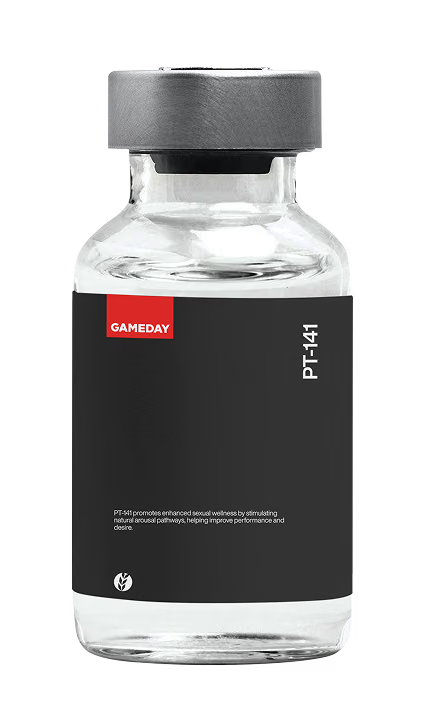
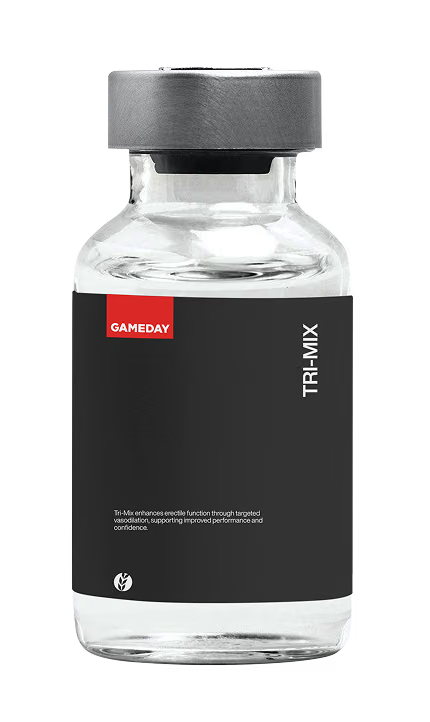
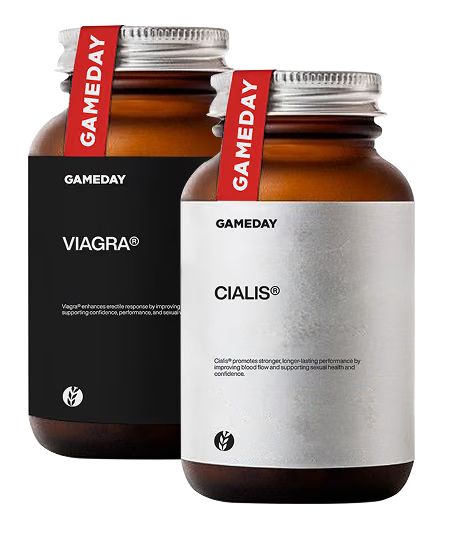
Fortunately, there are several treatment options available depending on the underlying cause. We offer advanced solutions like the P-Shot, GAINSWave, Trimix injections, and medications such as Viagra and Cialis. For those interested in peptide therapies, PT-141 is another option. Each of these treatments is tailored to help improve erectile function and overall health.

Consult with our healthcare professionals to learn more and find the most suitable treatment for your needs.

How do you know if you have erectile dysfunction?

Recognizing ED involves paying attention to persistent difficulties in achieving or maintaining an erection. Our clinic provides a discreet and comfortable environment to discuss your concerns openly. Our expert staff will guide you through the process, ensuring you receive a thorough evaluation and precise diagnosis.

How long does erectile dysfunction last?

The duration of erectile dysfunction (ED) is highly individual and can vary widely from person to person. It depends on a range of factors, including the underlying cause of ED, the individual’s overall health, lifestyle choices, and the effectiveness of the treatment pursued. For some, erectile dysfunction might be a temporary issue arising due to stress, anxiety, or a specific event, and it could resolve on its own or with minimal intervention.
However, if ED persists over an extended period, it’s essential to seek professional help. Chronic conditions like diabetes, heart disease, or hormonal imbalances often require ongoing management, and ED could be a long-term concern in such cases.

At Gameday Men’s Health, our approach to ED is comprehensive and personalized. We conduct thorough assessments to understand the specific factors contributing to your condition. Based on this evaluation, we design tailored treatment plans that focus on addressing the immediate symptoms and the underlying causes. We aim to provide sustainable solutions that improve your sexual health and overall well-being.

By offering evidence-based treatments and ongoing support, Gameday Men’s Health aims to assist you in overcoming ED and regaining your confidence. We understand the sensitive nature of this condition and provide a supportive environment where you can openly discuss your concerns. With the right treatment, commitment, and support, many men experience significant improvements in their erectile function, leading to a more satisfying and fulfilling intimate life. Remember, taking that first step towards seeking help is crucial, and with the right help, ED can often be effectively managed and even resolved.

How common is erectile dysfunction?

ED affects many men, and you’re not alone in facing this challenge. Gameday Men’s Health has successfully helped numerous individuals overcome ED, providing them with renewed confidence and improved quality of life. Our experienced team understands the complexities of this condition, offering tailored solutions that are both effective and discreet.

How is erectile dysfunction diagnosed?

Diagnosing erectile dysfunction involves a comprehensive evaluation with a knowledgeable, trained provider with modern ED treatment options. At Gameday Men’s Health, the experienced healthcare providers utilize state-of-the-art diagnostic tools and techniques to identify your ED’s underlying causes precisely. This accurate diagnosis allows us to develop a targeted and effective treatment plan tailored to your needs.

What is the best treatment for erectile dysfunction?

The best treatment for ED varies for each individual. At Gameday Men’s Health, we offer a range of personalized treatments, including advanced medications, innovative therapies, and lifestyle modifications.

The experienced specialists work closely with you to determine the most effective and suitable treatment options. With the expertise and your commitment, overcoming ED is not just a possibility – it’s a reality. Regain your confidence and enhance your intimate life with the support of Gameday Men’s Health.