Reviewed by: Dr. Hal and Gameday's Medical Advisory Board
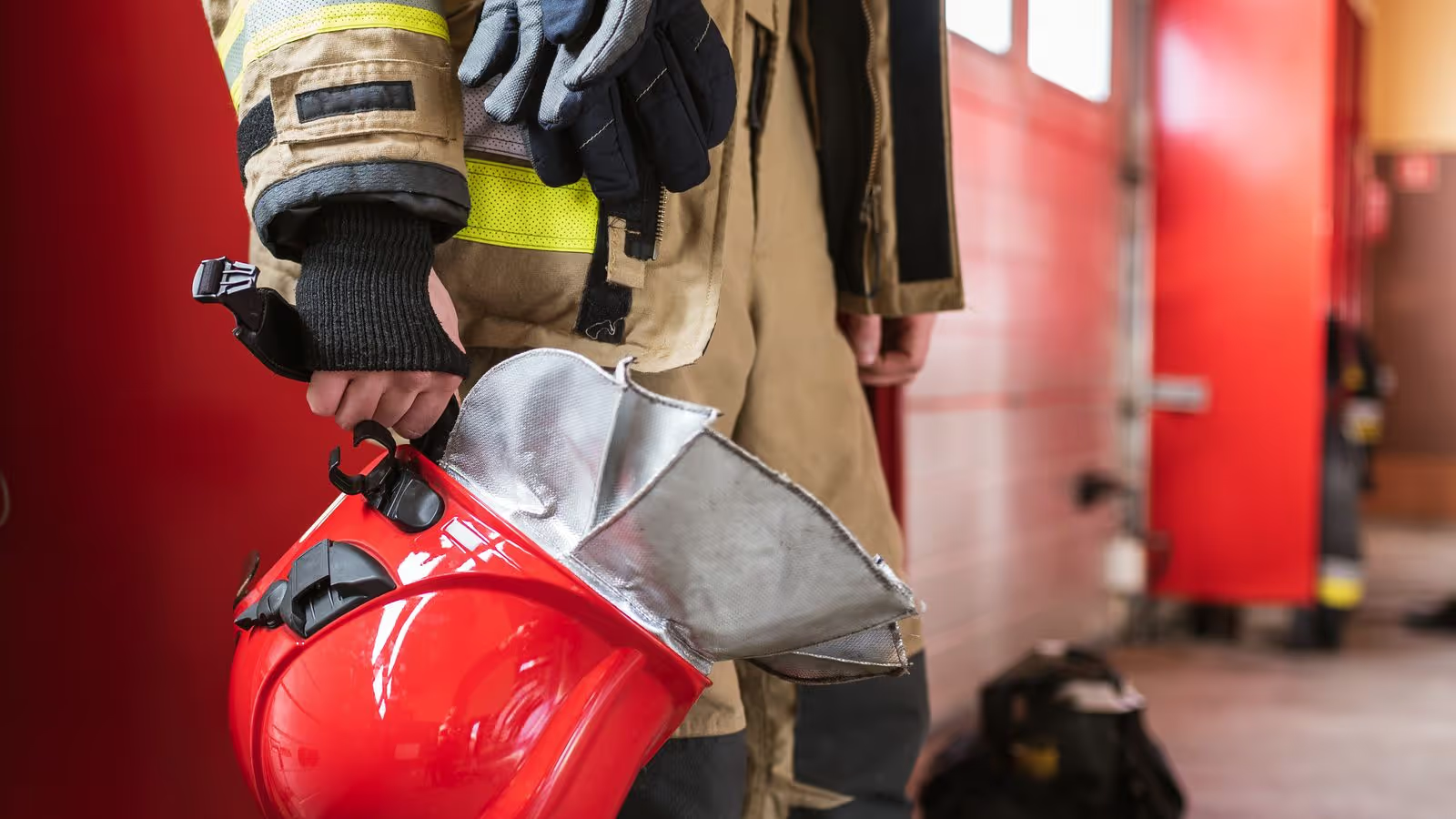
First responders, including firefighters, law enforcement officers, EMTs, and paramedics, work tirelessly to protect and serve our communities. However, these long hours, traumatic work scenes, and irregular schedules can sometimes lead to physical, mental, and hormonal wear.
In particular, many first responders experience low testosterone, which can amplify fatigue, weaken performance, and affect mood. This guide explains how testosterone therapy such as TRT can help, how Gameday Men’s Health approaches treatment, what to expect, and whether it might be right for you.
The Unique Challenges Faced by First Responders
- Stress, fatigue, and irregular schedules – Constant exposure to high-stress situations, plus shift work or extended hours can disrupt circadian rhythms, impair recovery, and increase physical and mental exhaustion.
- Physical demands – Physical tasks often performed by first responders require strength, endurance, quick reaction, which may place high strain on the body. Reduced muscle mass, decreased strength, and slower recovery can all hurt performance.
- Mental health burdens – First responders are at elevated risk of anxiety, depression, PTSD, cognitive strain, sleep disturbance, mood swings. Dealing with low testosterone can exacerbate these issues.
What Happens When Testosterone Levels Are Low
When testosterone falls under optimal range (which varies among individuals), impacts may include:
- Drop in energy, stamina, motivation
- Loss of muscle mass and strength; increased body fat
- Impaired cognitive performance: reduced focus, slower decision‐making, memory issues
- Lower libido or sexual performance issues such as erectile dysfunction
- Worsened mood and increased risk for depression, anxiety, poor sleep quality
How Testosterone Therapy / TRT Can Help
Testosterone therapy—including TRT to boost low levels—offers multiple potential benefits, especially tailored for first responders.These can include:
- Boosted energy & endurance — better ability to recover, less fatigue between shifts.
- Improved physical performance — leaner body composition, more stamina, reduced injury risk.
- Enhanced mental clarity, mood, and resilience — better focus, less brain fog; potential mitigation of depression, anxiety, mood swings.
- Better sexual health — improved libido and performance in the bedroom.
- Faster, more reliable recovery — both physically (muscles, tissue) and mentally. Supports sleep quality, which further reinforces all other gains.
Treatment Options & Gameday’s Tailored Approach
Gameday Men’s Health offers multiple testosterone therapy options and builds them around the lifestyle and demands of first responders.
| Treatment Type | Description / Advantages for First Responders |
|---|---|
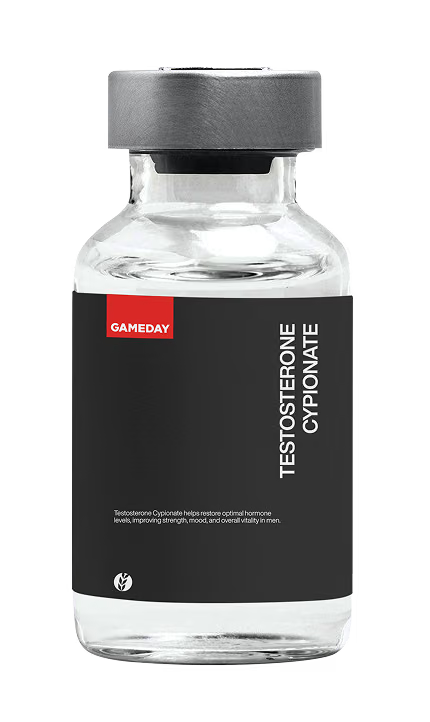
| Injections (intramuscular) | Administered weekly or bi-weekly; allows for precise dosing and good absorption. Great when rapid improvement is needed. |
| Pellets | Implanted under the skin; provide a slow, steady release. Fewer visits needed; useful when schedules are irregular. |
| Oral Testosterone | Capsules or tablets; more convenient and non-invasive; may be preferred for those who find it difficult to get injections or clinic visits. |
Gameday’s protocol includes:
- Comprehensive diagnostic evaluation (symptoms, lifestyle, lab testing).
- Use of bioidentical testosterone — molecularly identical to what the body produces.
- Ongoing monitoring with adjustments (dosage, timing, delivery method).
- Flexible scheduling, discreet care, making treatments fit into chaotic first responder schedules.
Frequently Asked Questions
- How do I know if I have low testosterone?
There are a variety of potential signs of low T. These signs may include persistent fatigue, decreased muscle strength or mass, difficulty recovering, mood changes, lowered libido, or cognitive issues. This can be confirmed via blood tests. - Is testosterone therapy / TRT safe for first responders?
Under proper medical supervision, yes, TRT and testosterone therapy is safe. Bioidentical testosterone, regular monitoring, and dose adjustments can help reduce risk. - How long until I see improvements?
Many men notice changes in energy, mood, and libido within 4-6 weeks; although the exact timeline will vary from patient to patient. - Will it interfere with my first responder duties?
Usually testosterone therapy will not have any negative impact on your daily duties. Once levels are optimized, energy and mental clarity will improve, making the demands of these high-stress jobs easier. - What about cost / accessibility?
Costs vary by treatment method, frequency, and location. Gameday offers flexible payment options.
Is Testosterone Therapy Right for You?
You and your clinician can determine if testosterone therapy is the right choice for you by assesses:
- Are you experiencing two or more symptoms listed above (fatigue, mood, libido, strength)?
- Have lab tests confirmed low testosterone?
- Do your job demands include physically or mentally extreme environments such long shifts, sleep disruption, or high stress?
- Are you willing to commit to follow-ups and adjustments when needed?
- Do you have any medical conditions or risks (cardiovascular disease, prostate issues, sleep apnea) that need to be evaluated before starting treatment?
Gameday’s Promise: A Standard of Care for First Responders
At Gameday Men’s Health, our care model includes:
- Personalized treatment plans grounded in diagnostics and lifestyle.
- Bioidentical testosterone with structured monitoring protocols.
- Flexible treatment options and appointment scheduling to match first responder life.
- Ongoing support for maintenance, adjustments, and lifestyle integration.
First responders give everything to protect and support their communities, often at the expense of their own well-being. If you’re feeling the burden of fatigue, mental strain, decreased performance, or any of the signs above, testosterone therapy may offer a path toward restoring energy, strength, focus, and quality of life.
If you’re ready to take the first step towards seeing if testosterone therapy and TRT are right for you, contact your local Gameday Men’s Health location today to schedule a consultation.