Reviewed by: Dr. Hal and Gameday's Medical Advisory Board
Vitamin B12 plays a critical role in energy production, nerve function, red blood cell formation, and even mood regulation. However, men often struggle with understanding exactly how much vitamin B12 they should take.
Supplement labels often make the issue confusing. The recommended daily intake is measured in micrograms, but many supplements contain hundreds or even thousands of micrograms. That gap can make it hard to know what is necessary, what is excessive, and what is right for you.
Ultimately, finding the best vitamin B12 dosing depends on your age, diet, absorption ability, and overall health. Understanding your individual needs helps prevent both under-supplementation and unnecessary overuse. In this guide, we will break down the dosage frequency for vitamin B12, when higher doses are appropriate, and how to approach supplementation safely.
What Is the Recommended Daily Intake of Vitamin B12?
The recommended dietary allowance, or RDA, for vitamin B12 in adult men is 2.4 micrograms per day. (1) This amount is considered sufficient to maintain healthy nerve function and red blood cell production in most healthy adults.
For younger adult men, this total of 2.4 micrograms daily is generally adequate if absorption is normal. However, as men age, absorption efficiency often declines. Reduced stomach acid production, which becomes more common after age 50, can interfere with B12 absorption from food. (2)
Because of this, many experts recommend that older adults prioritize fortified foods or supplements rather than relying exclusively on natural food sources. Individuals with certain medical conditions may also require higher intake levels.
Although it does not apply to men, vitamin B12 intake also should increase for pregnant or breastfeeding women.
For most healthy adult men, 2.4 micrograms per day is the baseline requirement that should be focused on. However, many supplements contain far more than that amount.
Why Are Vitamin B12 Supplements Often Much Higher Than Daily Requirements?
It is common to see oral vitamin B12 supplements containing 500 micrograms, 1,000 micrograms, or even 5,000 micrograms per serving. (3) At first glance, that can seem excessive compared to the 2.4 microgram daily recommendation.
There are several reasons for this.
Absorption Limitations
Vitamin B12 absorption is complex. It requires stomach acid, intrinsic factor, and proper function of the small intestine. Even in healthy individuals, only a fraction of a large oral dose is absorbed through active transport. (4)
For example, if you take a 1,000 microgram oral supplement, your body may only actively absorb a small percentage of that amount. Some additional absorption occurs through passive diffusion, but it remains limited. Higher-dose supplements are often designed to overcome these absorption barriers.
Water-Soluble Nature of Vitamin B12
Vitamin B12 is a water-soluble vitamin. This means that excess amounts are typically excreted in urine rather than stored in large quantities like fat-soluble vitamins. (5)
Because of this safety profile, manufacturers often formulate supplements at higher levels without significant risk for toxicity in healthy individuals.
Oral vs Injectable Forms
Oral supplements depend on digestive absorption. Injectable vitamin B12 bypasses the digestive system entirely and delivers the vitamin directly into the bloodstream. This difference becomes important for men with malabsorption issues, digestive disorders, or severe deficiency. In those cases, injections can correct levels more predictably.
How Much Vitamin B12 Do You Need If You’re Deficient?
If laboratory testing confirms a vitamin B12 deficiency, the dosage strategy changes significantly and your clinician can work with you to find the best dosing plan for your specific needs.
Treatment doses for deficiency are often much higher than the RDA. Oral doses may range from 1,000 to 2,000 micrograms daily during the initial correction phase. (6) Injectable protocols may include weekly or even more frequent injections at first.
The goal during this phase is to replenish depleted stores and reverse symptoms such as fatigue, weakness, or neurological changes.
Once levels normalize, maintenance dosing is usually reduced, and some men transition to a lower daily oral dose.
Others, however, continue periodic injections depending on the underlying cause of the deficiency, and the appropriate plan depends on both lab results and clinical symptoms. For example:
- Men with dietary insufficiency may maintain levels with daily oral supplementation.
- Men with absorption disorders may require ongoing injections.
- Men with medication-related depletion may need adjusted dosing while continuing treatment.
Self-diagnosing and self-treating vitamin B12 deficiency is not recommended and can be dangerous. Symptoms like fatigue, brain fog, and mood changes overlap with low testosterone, thyroid disorders, sleep apnea, and other common conditions in men.
Proper blood testing ensures that you are addressing the correct issue and using the right dosage.
Can You Take Too Much Vitamin B12?
Overall, vitamin B12 has an excellent safety profile. There is no established upper limit for intake because most excess vitamin B12 is excreted in urine. This significantly lowers the risk of toxicity compared to fat-soluble vitamins like A or D.
However, more is not always better when it comes to B12. High doses of vitamin B12 can occasionally cause mild side effects. These may include: (7)
- Mild acne or skin breakouts
- Headaches
- Gastrointestinal discomfort
- Temporary anxiety or restlessness
- Heart palpitations or high blood pressure
- Insomnia or anxiety
However, these effects are uncommon and typically mild even if they do develop.
If you have kidney disease, certain blood disorders, or are undergoing treatment for cancer, vitamin supplementation should always be discussed with a clinician. Additionally, extremely high blood levels without supplementation may signal underlying health concerns and should be evaluated.
Who May Need Higher Vitamin B12 Intake?
Some men are at increased risk for deficiency and may benefit from closer monitoring or higher intake. Older adults, for example, produce less stomach acid as they age. Since stomach acid helps release B12 from food, older men may struggle to absorb adequate amounts through diet alone.
Vegetarians and vegans also may get an inadequate amount of B12, since it is naturally found in animal products like meat, fish, eggs, and dairy. Men following plant-based diets are at significantly higher risk for deficiency unless they consume fortified foods or supplements.
Conditions that affect the stomach or small intestine can also interfere with absorption. These include:
- Pernicious anemia
- Celiac disease
- Crohn’s disease
- History of gastric bypass surgery
Some medications can also reduce B12 absorption over time. These include metformin, proton pump inhibitors, and H2 blockers. (8) Long-term use of these medications warrants periodic vitamin B12 testing.
Signs You May Need Vitamin B12 Testing
For many men, vitamin B12 deficiency can develop gradually. While symptoms may be subtle at first, they can worsen over time.
Common warning signs that you’re experiencing a B12 deficiency include:
- Persistent fatigue
- Brain fog or difficulty concentrating
- Tingling or numbness in hands and feet
- Memory issues
- Mood changes such as irritability or worsening mood
- Struggling to complete workouts
Because these symptoms overlap with other hormone and metabolic conditions, blood testing is the most reliable way to determine whether vitamin B12 levels are contributing to your symptoms.
Early detection is particularly crucial. Long-term deficiency can lead to irreversible nerve damage if left untreated.
Food vs Supplements vs Injections
When deciding how much vitamin B12 to take, it helps to understand your available options. Food sources of vitamin B12 may include: (9)
- Beef and organ meats
- Poultry
- Fish such as salmon and tuna
- Eggs
- Dairy products
Men who regularly consume these foods and have no absorption issues, especially those under 50, may meet daily requirements without the need for supplementation.
Oral Supplementation
Oral vitamin B12 supplements are widely available, affordable, and can be effective for many men. They typically come in tablets, capsules, and sublingual forms.
Daily doses often range from 500 to 1,000 micrograms. While this exceeds the RDA, it compensates for absorption limitations and ensures adequate systemic availability.
Oral supplementation works well for men with mild deficiency or dietary gaps.
Injectable Vitamin B12
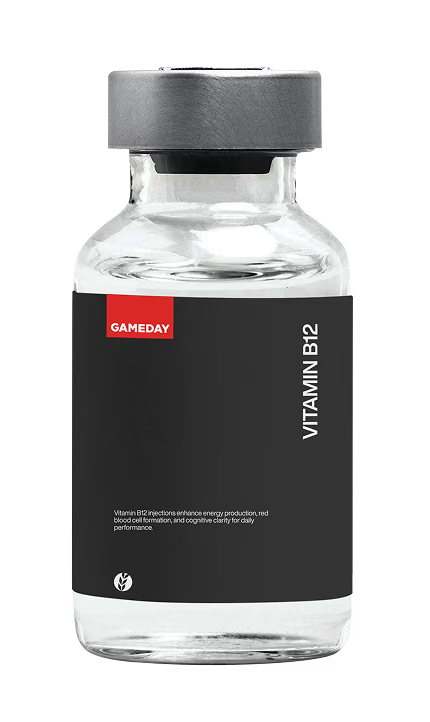
Vitamin B12 injections deliver the vitamin directly into muscle tissue, bypassing the digestive tract.
This method is particularly useful for those with severe deficiency, neurological symptoms, malabsorption conditions, or those who have not responded adequately to oral therapy.
Injections are typically administered weekly during the correction phase and then spaced out during maintenance.
Choosing between food, oral supplements, and injections can depend on lab values, your individual symptoms, your day-to-day lifestyle, and any underlying health conditions you may have.
How Gameday Men’s Health Supports Vitamin B12 Optimization
At Gameday Men’s Health, we view vitamin B12 as one piece of a broader performance and wellness strategy.
A simple blood panel can determine whether your vitamin B12 levels are optimal, borderline, or deficient. Testing also allows providers to evaluate related markers that may influence energy, mood, and performance.
We also understand that not every situation requires a one-size-fits-all solution. Some men may not need any additional supplementation of B12, while others have a severe deficiency that needs to be addressed.
After reviewing your results, providers can recommend dietary adjustments, oral supplementation, or injectable B12 if appropriate.
Vitamin B12 levels can change over time, especially if diet, medications, or health conditions shift. Ongoing monitoring ensures that your levels remain within an optimal range and that symptoms are improving.
When combined with hormone optimization, weight management, and lifestyle support, proper vitamin B12 management can play a meaningful role in improving energy, focus, and overall vitality.
If you think you may have a vitamin B12 deficiency, or if you’re just curious to learn more about how you can enhance your hormonal health, contact your local Gameday Men’s Health today to schedule a consultation.