Reviewed by: Dr. Hal and Gameday's Medical Advisory Board
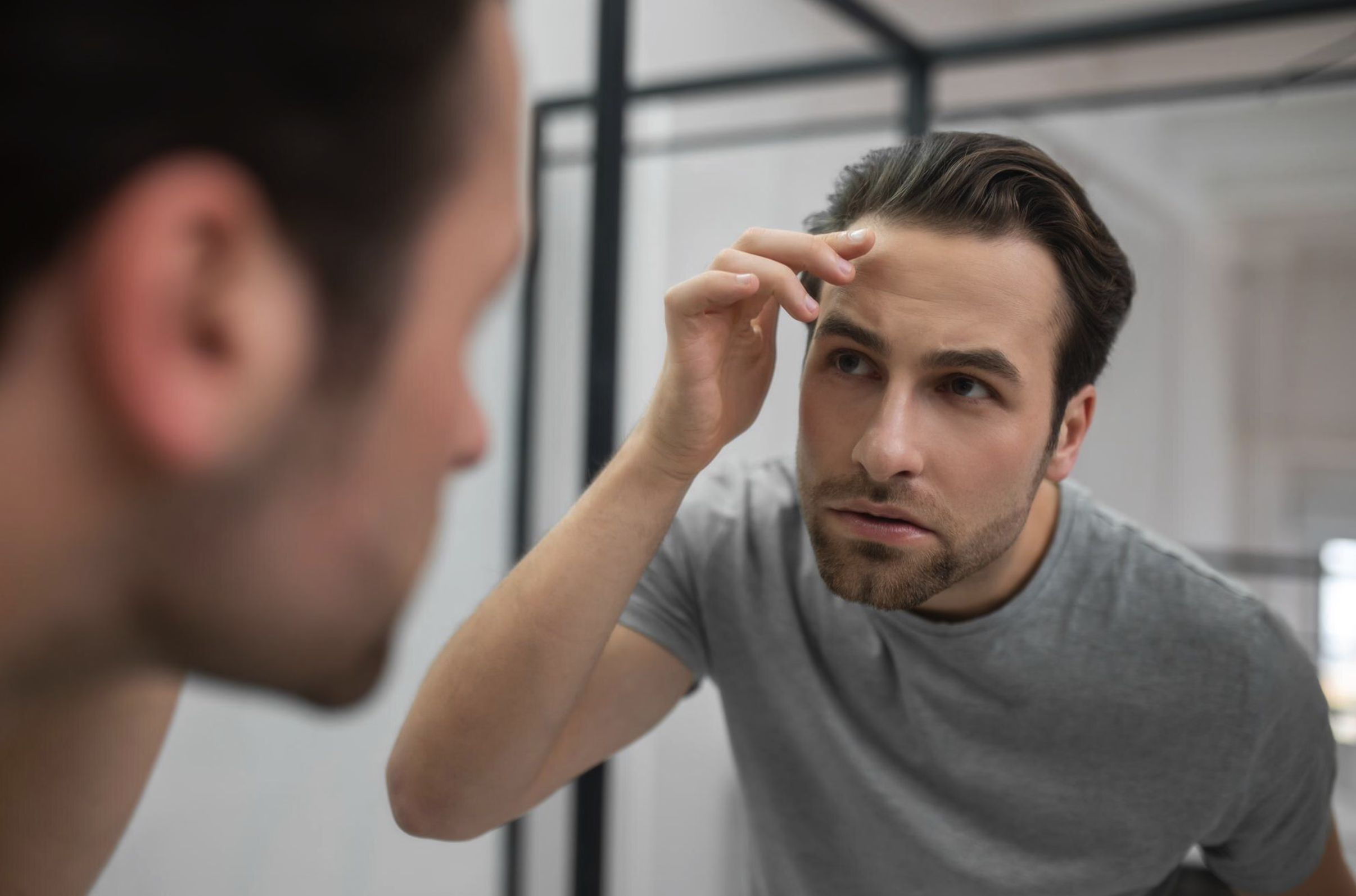
Hair loss is a common concern for men, and for many, it starts earlier than expected. By age 65, an estimated 53% of men will experience baldness. (1) Whether it shows up as a receding hairline, thinning at the crown, or overall loss of density, male pattern hair loss can affect your self-confidence and your appearance, even playing a role in how you feel on a daily basis.
Two of the most widely used treatments for hair loss are minoxidil and finasteride. If you’ve been researching solutions for treating hair loss, you’ve likely come across both of these treatment options. While they’re often mentioned together, it’s important to understand that they work in very different ways.
Understanding the difference between minoxidil and finasteride is key to making an informed decision about your hair health and choosing the best treatment option for you. This guide breaks down how each treatment works, what results to expect, and how they may fit into a broader plan for managing hair loss.
What Is Minoxidil?
Minoxidil is a topical treatment applied directly to the scalp. It’s available over the counter and commonly comes in either a liquid, a foam, or with in pill form.
Originally developed as a medication for high blood pressure, minoxidil was found to also promote hair growth. Today, it’s widely used as a first-line treatment for men experiencing thinning hair.
Minoxidil works by stimulating hair follicles and improving blood flow to the scalp. This helps deliver more oxygen and nutrients to the follicles, which can encourage them to stay in the growth phase longer. (2)
Key characteristics of minoxidil include:
- Applied directly to the scalp, typically once or twice daily
- Available without a prescription
- Works best in areas of thinning rather than completely bald spots
- Often used long-term to maintain results
Because it’s a topical solution, minoxidil targets hair follicles directly without significantly affecting hormone levels in the body.
What Is Finasteride?
Finasteride is an oral medication that treats hair loss from a hormonal perspective. It requires a prescription and is typically taken once daily in pill form.
The primary cause of male pattern hair loss is a hormone called dihydrotestosterone, or DHT. DHT is derived from testosterone and can bind to hair follicles, causing them to shrink over time. This process, known as follicular miniaturization, leads to thinner, shorter hairs and eventually stops growth altogether. (3)
Finasteride works by inhibiting the enzyme responsible for converting testosterone into DHT. By lowering DHT levels in the scalp, it helps slow or even stop the progression of hair loss. Studies have shown finasteride to be highly effective at preventing further hair loss, with one study showing that 65% of men with mild to moderate male pattern hair loss were found to have a positive result over a five-year span. (4)
Key characteristics of finasteride include:
- Taken orally once per day
- Requires a prescription
- Targets the hormonal root cause of male pattern hair loss
- More effective at preventing further loss than regrowing hair
Unlike minoxidil, finasteride works systemically, meaning it affects hormone levels throughout the body.
How Minoxidil and Finasteride Work Differently
When comparing finasteride and minoxidil, it’s essential to understand the differences in how they work.
On one hand, minoxidil focuses on stimulating hair follicles directly. It enhances blood flow and encourages follicles to remain active in the growth phase of the hair cycle. This can help thicken existing hair and promote some regrowth in thinning areas. (5)
Finasteride, on the other hand, addresses the underlying hormonal cause of hair loss. By reducing DHT levels, it helps prevent further damage to hair follicles and slows the progression of thinning.
Simply put, minoxidil supports hair growth at the follicle level, while finasteride protects follicles from hormonal damage.
Because of these differences, the two treatments are not interchangeable. They target different aspects of hair loss and can complement each other when used together.
Another key difference lies in how they affect the hair growth cycle. Hair grows in phases, including growth, transition, and resting stages. Minoxidil helps extend the growth phase, while finasteride helps prevent follicles from shrinking and exiting the cycle prematurely.
Effectiveness and Expected Results
Both treatments have been studied extensively and are considered effective for managing male pattern hair loss. However, results can vary based on several factors, including age, genetics, and the stage of hair loss when treatment begins.
Minoxidil tends to be more effective at improving hair density in areas that are already thinning. It may take several months before visible changes occur, and some users experience an initial shedding phase as weaker hairs are replaced by stronger ones.
Finasteride is generally more effective at slowing or stopping hair loss. Many men notice reduced shedding within a few months, with stabilization or modest regrowth occurring over time. (6)
Typical timelines for both treatments include:
- 3 to 4 months: Early changes such as reduced shedding or subtle thickening
- 6 months: Noticeable improvement in hair density or slowed hair loss
- 12 months: More defined results, depending on consistency and individual response
Consistency is critical with both medications. Stopping treatment often leads to a reversal of results, meaning hair loss may resume within months. It’s also important to understand that neither treatment guarantees full hair restoration. Instead, the goal is typically to slow progression, maintain existing hair, and improve overall thickness where possible.
Side Effects and Safety Considerations
Like any medical treatment, both minoxidil and finasteride come with potential side effects. Understanding these helps set realistic expectations and encourages informed decision-making.
Minoxidil is generally well-tolerated, especially because it’s applied topically. However, some users may experience side effects including scalp irritation, dryness, itching, acne or redness at the application site, or unwanted hair growth in nearby areas. (7)
These side effects are usually mild and can often be managed by adjusting application techniques or switching formulations.
Finasteride affects hormone levels, so its side effect profile is different. Some men report effects such as: (8)
- Decreased libido
- Changes in sexual function
- Mood-related changes in rare cases
While these effects are not experienced by most users, they are important to discuss with a healthcare provider. Monitoring and open communication play a key role in managing any potential concerns. Both medications are typically used on an ongoing basis, so regular check-ins with a provider can help ensure the treatment remains appropriate and effective.
Can Minoxidil and Finasteride Be Used Together?
Minoxidil and finasteride can be used together, and are used together in many cases
Because minoxidil and finasteride work through different mechanisms, combining them can provide a more comprehensive approach to hair loss treatment. This is often referred to as combination therapy.
Using both treatments together may:
- Address both the cause and symptoms of hair loss
- Improve overall hair density more effectively than either treatment alone
- Help maintain results over a longer period
Minoxidil stimulates growth at the follicle level, while finasteride helps prevent further damage from DHT. Together, they create a more supportive environment for hair to grow and remain healthy.
However, combination therapy is not necessary for everyone. Some men respond well to a single treatment, while others benefit from a more layered approach. The most ideal candidates for a targeted approach include men with early to moderate androgenetic alopecia, men who have plateaued on single-drug therapy, and men who are seeking maximum hair preservation and regrowth. (9)
Those with liver disease, hypertension, or a history of depression or sexual dysfunction should talk to their clinician about using any hair loss medication.
Choosing the Right Hair Loss Treatment
Deciding between minoxidil vs finasteride, or whether to use both, depends on several factors, ranging from personal to medical. There’s no one-size-fits-all solution when it comes to hair loss.
When determining with your clinician what hair loss treatment is best for you, it’s important to consider factors such as the stage and pattern of the hair loss, how quickly the hair loss is progressing, your treatment preference (oral vs. foam/gel), and your personal medical history and sensitivity to side effects.
Men in the early stages of hair loss may focus on prevention, making finasteride a consideration. Those noticing more visible thinning may look toward minoxidil to improve density. Others may explore a combination approach for broader support.
Lifestyle and consistency also matter. A treatment is only effective if it’s used regularly, so choosing an option that fits your daily routine increases the likelihood of success. Realistic expectations are also important. Hair loss treatments are designed to manage and slow down the process, but they won’t completely reverse hair loss in every instance.
How Gameday Men’s Health Approaches Hair Loss Treatment
At Gameday Men’s Health, our approach to hair loss focuses on the individual. Rather than applying a one-size-fits-all solution, the goal is to understand each patient’s unique situation and develop a plan that aligns with their needs.
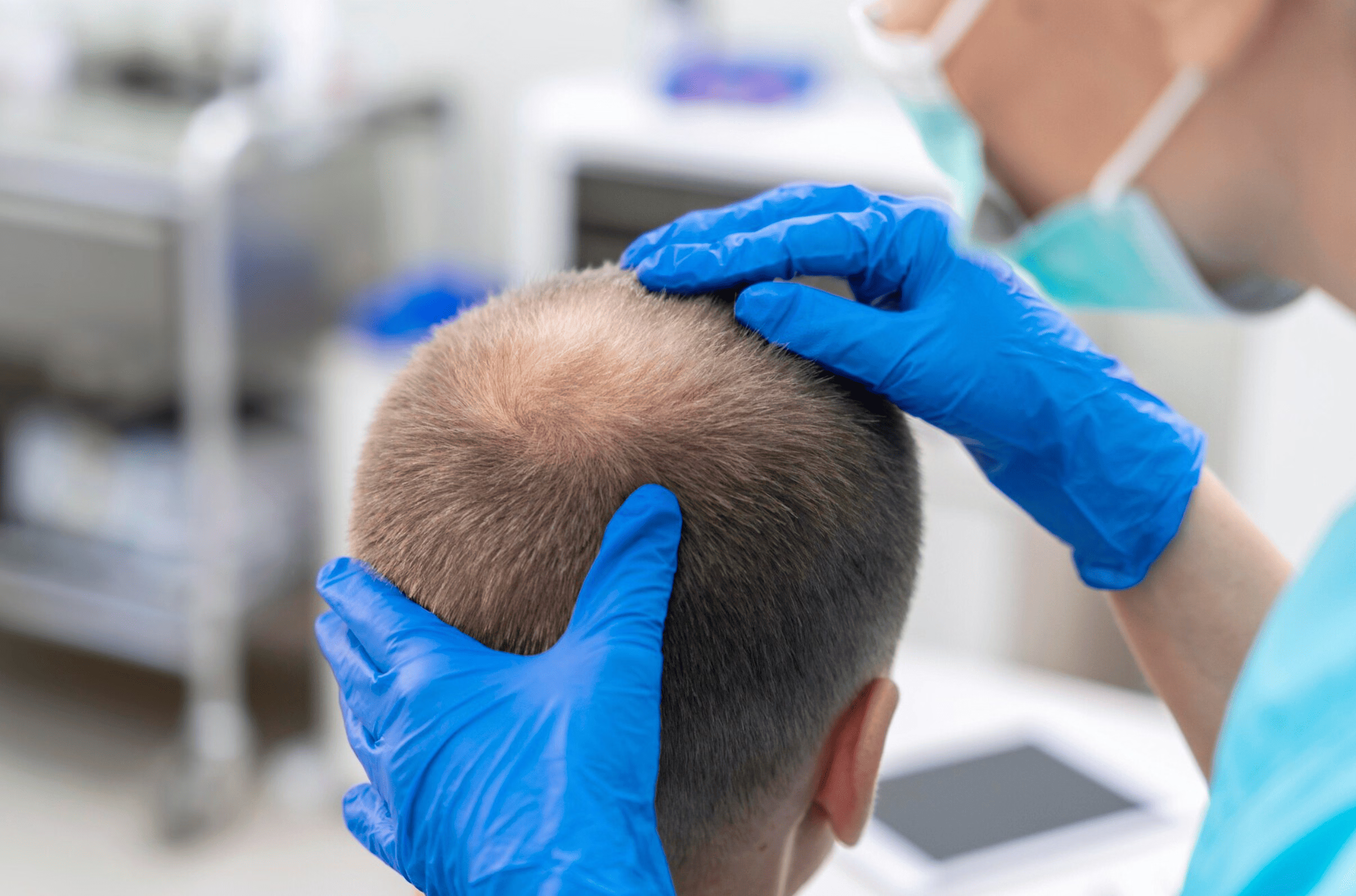
This process typically begins with a thorough evaluation, including an assessment of the hair loss pattern, a review of your personal medical history and lifestyle, and a discussion with your clinician about treatment goals and expectations.
From there, a personalized plan may include starting minoxidil, finasteride, or a combination of both, depending on what makes the most sense for the patient. At Gameday Men’s Health, PRP (platelet-rich plasma) for hair loss is also an option for men with thinning hair and early-stage hair loss.
Ongoing monitoring is an important part of the process. Hair growth takes time, and regular follow-ups allow for adjustments based on how the treatment is working. Ultimately, the goal is not just to treat hair loss, but to support overall confidence and well-being.
Final Thoughts about Minoxidil and Finasteride
When comparing minoxidil and finasteride, the most important takeaway is that they serve different roles in managing hair loss. One stimulates hair growth directly at the follicle level, while the other targets the hormonal cause behind thinning.
Both treatments are widely used, clinically supported, and capable of delivering meaningful results when used consistently. However, the best approach depends on your individual situation and a recommendation from a trusted clinician such as Gameday Men’s Health.
If you’re noticing changes in your hairline or overall density, taking action early can make a significant difference. If you’re curious to learn more about minoxidil, finasteride, or PRP, or just have questions about your overall hair loss, contact your local Gameday Men’s Health location today to schedule a consultation.