Man sitting on a couch in pajamas with his head in his hand, appearing fatigued or distressed, representing symptoms of male hypogonadism.

What is Male Hypogonadism: Symptoms and Causes

Jul 15th, 2025
1
Min Read

Article / What is Male Hypogonadism: Symptoms and Causes

If you’re a man experiencing unexplained fatigue, low sex drive, or mood swings, you’re not alone, and your body may be trying to tell you something important about your health.

These symptoms are common, but they’re often overlooked or blamed on stress, aging, or lifestyle. Many men don’t realize these issues may actually be caused by a treatable medical condition called male hypogonadism, often referred to as low testosterone or “low T.”

Hypogonadism occurs when the body doesn’t produce enough testosterone, a hormone that plays a vital role in male development and long-term health. While the condition is more common than most realize, it remains widely underdiagnosed. Understanding the symptoms, causes, and available treatments can help men take back control of their well-being.

In this guide, we’ll explain what male hypogonadism is, how it affects men, why testosterone matters, and the typical causes and risk factors for low T. We’ll also cover how hypogonadism is diagnosed and treated, and how Gameday Men’s Health can help you get back to feeling like your true self.

What is Male Hypogonadism?

Male hypogonadism is a condition in which the body produces insufficient testosterone, either due to problems in the testicles themselves or in the signaling system that controls testosterone production. This hormone deficiency disrupts the balance necessary for strength, energy, mood, sexual function, and more.

There are two main types of hypogonadism: primary hypogonadism and secondary hypogonadism.

Primary hypogonadism starts in the testicles. The testes can’t produce enough testosterone, even if the brain is sending the right signals. Causes include injury, infection, or genetic conditions like Klinefelter syndrome, which results from an abnormality of the sex chromosomes (X and Y).(1)

Secondary hypogonadism occurs when the problem lies in the hypothalamus or pituitary gland—areas of the brain responsible for sending signals that trigger testosterone production. (2) Tumors, chronic illnesses, or certain medications can interfere with this hormonal communication.

In some men, both types of hypogonadism can be involved. Understanding the distinction between the two is essential for men seeking to treat and understand their health, as the underlying cause of low T will influence the proper treatment plan.

Why Testosterone Matters

Testosterone isn’t just about sex drive or muscle mass. It is also a foundational hormone that affects nearly every system in a man’s body. When testosterone levels drop, the effects can be wide-ranging and disruptive.

Testosterone plays a central role in all of the following areas:

  • Muscle and Bone Strength
  • Testosterone plays a key role in maintaining lean muscle mass and supporting bone density. Men with low testosterone may notice a gradual loss of strength, slower recovery from workouts, and increased risk of injury or fractures as bones weaken over time. (3)
  • Sex Drive and Performance
  • Healthy testosterone levels are essential for libido, erectile function, and sperm production. When testosterone drops, you may notice reduced interest in sex or difficulty achieving or maintaining erections. Low T (typically below 300 ng/dL) can affect your performance in the bedroom, both physically and psychologically.(4)
  • Mood and Energy
  • Low testosterone can contribute to emotional changes such as irritability, depression, mood swings, social withdrawal, and anxiety. (5) Many men also experience persistent fatigue or a lack of motivation that doesn’t improve with rest or lifestyle changes.
  • Overall Health
  • Testosterone also helps regulate fat metabolism, red blood cell production, and cardiovascular health. Low levels are linked to increased belly fat, higher risk of metabolic disease, and reduced vitality as you age.

Symptoms of Male Hypogonadism

Hypogonadism in males may present itself with various physical, emotional, and cognitive symptoms. For many men, these changes come on gradually, which is partially why they’re frequently dismissed as part of the normal aging process.

Common signs of testosterone deficiency include fatigue and low energy, low libido, erectile dysfunction, loss of muscle mass or strength, increased body fat (particularly around the abdomen), depression or mood swings, and difficulty concentrating or mental fog.

If you’re noticing one or more of these symptoms, it may be time to consider a medical evaluation. Left untreated, these symptoms can worsen and begin to impact relationships, performance, and daily functioning.

Causes and Risk Factors

Several factors can contribute to the development of male hypogonadism. While some are within your control, others are related to age or underlying medical issues. The most common causes and risk factors of male hypogonadism include:

  • Aging and natural testosterone decline: Testosterone levels typically begin to decline by about 1% per year around the ages of 30 to 40. (6) A testosterone deficiency that develops later in life is referred to as late-onset hypogonadism, and may lead to other symptoms associated with low T.
  • Testicular injury or disease: Trauma, infection (such as mumps orchitis), or radiation/chemotherapy can damage the testes, which can lead to a decrease in testosterone. (7)
  • Pituitary or hypothalamic disorders: Tumors or genetic issues may disrupt the brain’s ability to send proper hormonal signals, which can lead to a lowering of your testosterone levels.
  • Chronic illness: Conditions like diabetes, obesity, and metabolic syndrome are closely linked to reduced testosterone levels. For example, one study showed that nearly 97% of diagnosed metabolic syndrome patients experienced issues with erectile dysfunction. (8)
  • Medications or anabolic steroid use: Certain drugs, including opioids and corticosteroids, have been shown to potentially interfere with hormone production, which can lead to male hypogonadism.
  • Lifestyle factors: Certain poor lifestyle habits, such as poor sleep, alcohol overuse, and high stress may also contribute by disrupting hormonal balance over time.

How is Male Hypogonadism Diagnosed?

If you suspect that you’re suffering from low testosterone, the first step is getting properly evaluated by a trusted medical provider, such as the clinicians at your local Gameday Men’s Health. Diagnosis involves a combination of blood work, symptom analysis, and clinical history.

Key steps in the diagnostic process include:

  • Blood tests: A lab panel—typically taken in the morning—measures total and free testosterone levels. Additional hormones such as LH (luteinizing hormone) and FSH (follicle-stimulating hormone) may also be evaluated to determine whether the cause is primary or secondary. (9)
  • Medical history and symptom review: Your provider will ask about energy levels, sexual function, sleep, emotional well-being, and physical changes.
  • Additional tests: In some cases, imaging studies or further lab work may be required to rule out underlying issues in the brain or testes.

It’s essential to remember that only a qualified healthcare professional can accurately diagnose hypogonadism. Your doctor can then help you determine whether testosterone therapy is appropriate for your specific health goals.

Treatment Options

The good news is that male hypogonadism is treatable—and in many cases, symptoms can improve significantly with the right plan. The best treatment for your specific needs depends on the severity of your condition, the underlying cause, and your personal health goals.

Common treatment options may include:

  • Lifestyle changes: Exercise, weight loss, sleep optimization, and stress reduction can all improve natural testosterone levels, especially in men with borderline deficiencies.
  • Testosterone replacement therapy (TRT): For men with confirmed low testosterone and persistent symptoms, TRT can restore hormone levels to a healthy range. While it works differently for each patient, TRT has the potential to improve sexual function, bone density, mood, lean body mass, and more. (10) Options for TRT include injections, gels, or pellets prescribed and monitored by a physician.
  • Addressing underlying conditions: Managing chronic illnesses like diabetes, obesity, or pituitary issues can support better hormone regulation, improve overall health, and correct some cases of low testosterone.

Why Choose Gameday Men’s Health?

At Gameday Men’s Health, we specialize in helping men regain their strength, vitality, and confidence through personalized, medically guided care. Our focus is on making hormone optimization safe, convenient, and effective.

At Gameday, our experienced providers understand men’s health and know how to identify and treat testosterone deficiency safely and effectively. Our discreet, fast testing gives you clear answers without the hassle, and our customized treatment plans are tailored to your goals, lab results, and lifestyle. We don’t believe in a one-size-fits-all approach to revitalizing men’s health.

Taking Action on Low Testosterone

Male hypogonadism is a common issue for men, particularly as they grow into middle age. Its symptoms can significantly affect physical, emotional, and sexual well-being when gone untreated. If you’ve been feeling off, such as feeling low energy, low sex drive, mental fog, or muscle loss, it’s worth asking the question: could this be testosterone deficiency?

Understanding hypogonadism means recognizing the signs and seeking expert care. With the right diagnosis and treatment, most men experience real, lasting improvements in quality of life.

If you’re ready to take control of your health, Gameday Men’s Health offers the knowledge, tools, and support to help you move forward with clarity and confidence.


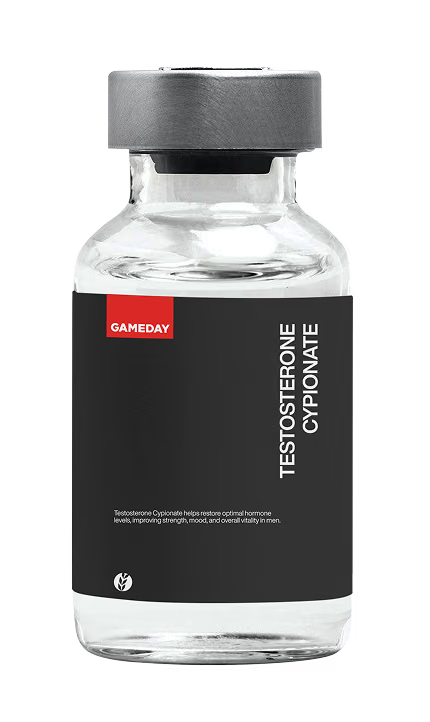
Close-up of a bottle of Testosterone Cypionate, a long-acting injectable testosterone medication prescribed to men seeking to restore hormone balance, energy, and vitality at Gameday Men's Health.
Steady Support
Strength
Best Seller

Testosterone Cypionate Injections

Testosterone Cypionate provides long-acting hormone support through periodic injections that maintain steady testosterone levels. This option enhances muscle strength, bone health and overall vitality. Beneficial for men with confirmed hormone deficiency and performance-focused goals.

Read More...
SEE TREATMENT
SEE TREATMENT
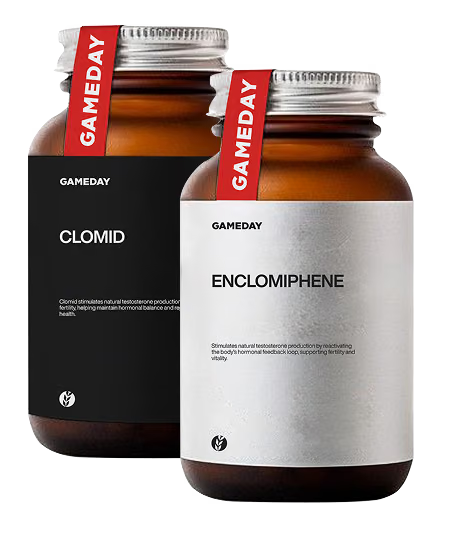
Two prescription bottles side by side, one containing Clomid and the other Enclomiphene, representing medically guided treatments for low testosterone levels at Gameday Men's Health.
Hormone Balance
Fertility
Best Seller

Clomid / Enclomiphene

Clomid and Enclomiphene work by stimulating your body’s hormonal response to naturally boost testosterone and support fertility. Ideal for men who want to reclaim hormone balance without traditional testosterone injections, this protocol supports libido, sperm health and vitality through guided care.

Read More...
SEE TREATMENT
SEE TREATMENT
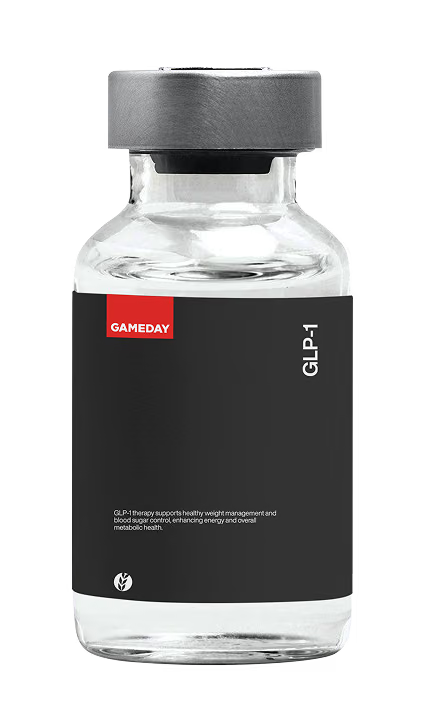
GLP-1 medication vial used for weekly weight loss injections at Gameday Men’s Health.
Balance
Best Seller

GLP-1 Medications

GLP-1 therapy supports appetite regulation and blood sugar control to help men achieve steady, sustainable weight loss and improved metabolic health. For men who have tried diet and exercise yet still struggle with excess weight or energy dips, GLP-1 offers a medically-supervised option that aligns with performance, wellness and hormonal balance.

Read More...
SEE TREATMENT
SEE TREATMENT
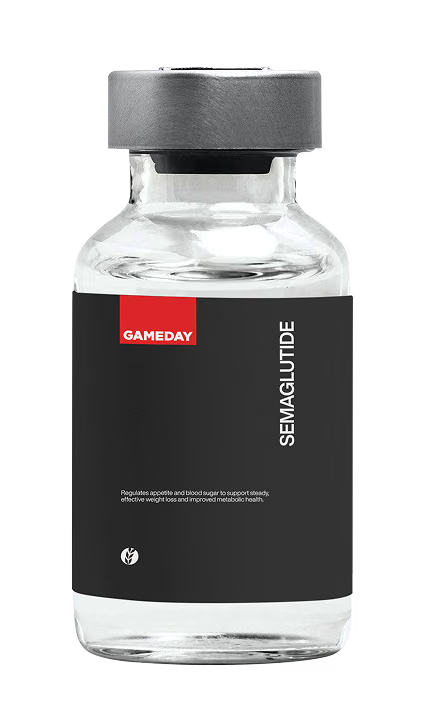
Semaglutide medication vial for medical weight-loss treatment at Gameday Men's Health.
Weight Loss
Appetite Control
Best Seller

Semaglutide

Semaglutide is a GLP-1 medication that helps reduce appetite, curb cravings, and improve metabolic function to support steady, sustainable weight loss. By slowing gastric emptying and improving insulin response, semaglutide makes it easier for men to stay consistent with nutrition and see meaningful progress. At Gameday Men’s Health, semaglutide is integrated into a personalized weight-management program designed to help men lose weight safely and effectively.

Read More...
SEE TREATMENT
SEE TREATMENT
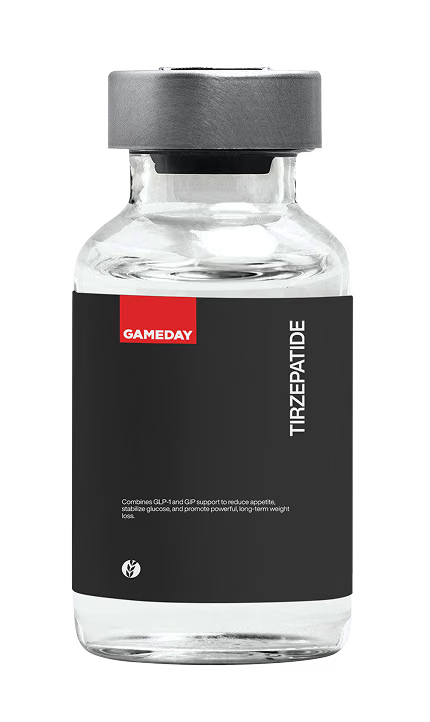
Gameday Men’s Health Tirzepatide injection vial designed for medical weight loss, appetite control, improved metabolic health, and long-term weight management support.
Metabolism Boost
Appetite Control
Best Seller

Tirzepatide

Tirzepatide is a dual-action metabolic therapy that supports weight control by improving insulin sensitivity, reducing appetite, and enhancing satiety. It helps regulate blood sugar levels and supports steady fat loss when combined with proper nutrition and lifestyle habits. This option is ideal for men seeking a guided, medically supervised approach to sustainable weight-management results.

Read More...
SEE TREATMENT
SEE TREATMENT
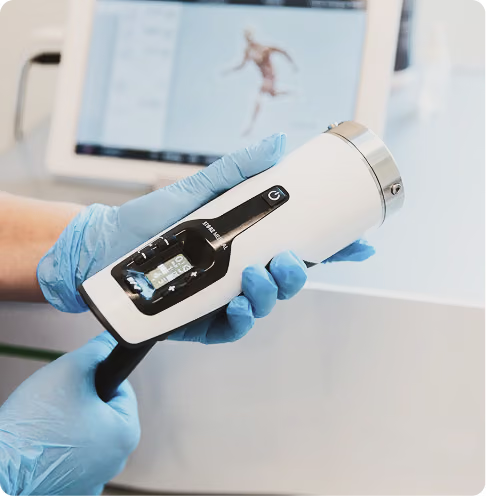
Close-up of a shockwave therapy device used in non-invasive erectile dysfunction treatment, designed to improve blood flow and stimulate new blood vessel growth at Gameday Men's Health.
Regeneration
Restoration
Best Seller

Shockwave therapy for Erectile Dysfunction

Shockwave therapy uses low-intensity acoustic waves to stimulate new blood vessel growth and tissue regeneration. It’s a safe, non-invasive treatment that improves erectile function, sensation, and long-term performance without medication.

Read More...
SEE TREATMENT
SEE TREATMENT
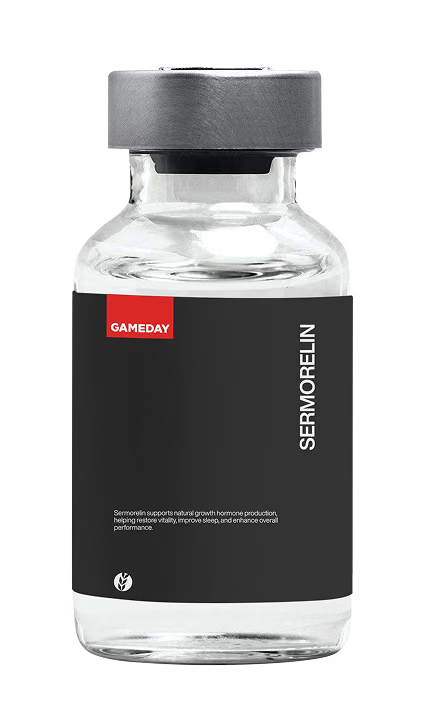
Sermorelin peptide therapy vial used to support growth hormone production at Gameday Men’s Health.
Recovery
Vitality
Best Seller

Sermorelin Peptide Injections

Sermorelin stimulates your body’s natural growth hormone production, supporting lean muscle, enhanced recovery, improved sleep and greater vitality. Ideal for men seeking a restorative, lifestyle-focused approach to aging well and maintaining energy, strength and overall wellness.

Read More...
SEE TREATMENT
SEE TREATMENT
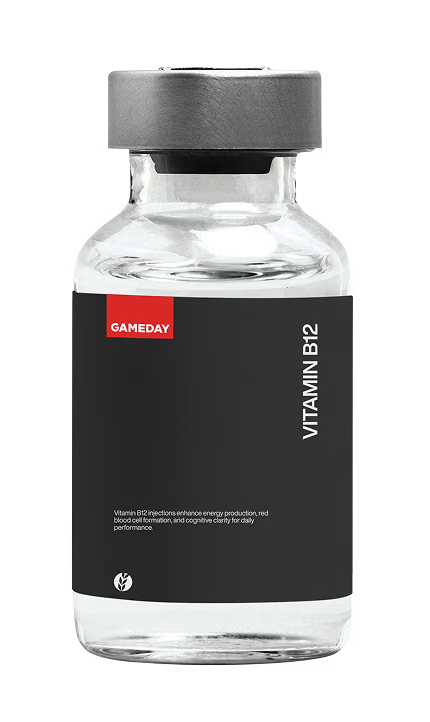
Bottle of Vitamin B12 injection used for energy support and metabolic health at Gameday Men’s Health.
Energy
Best Seller

Vitamin B12 injections

Vitamin B12 injections help boost energy, improve focus and support metabolic health by delivering a potent dose of this essential nutrient directly into your bloodstream. At Gameday we use B12 to support red blood cell and nerve health in men who feel fatigued or need a reliable vitality boost.

Read More...
SEE TREATMENT
SEE TREATMENT
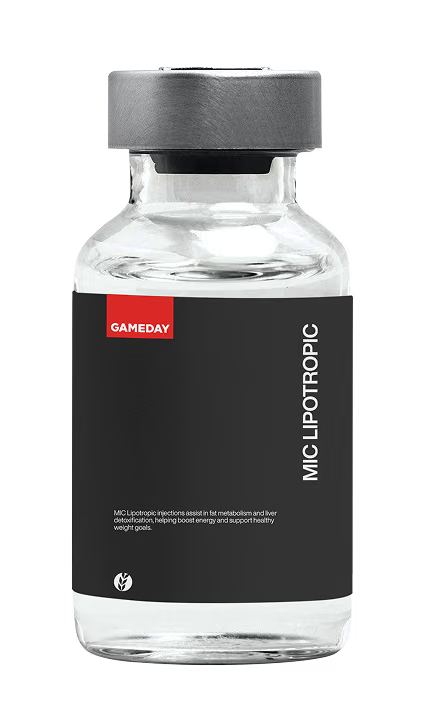
Vial of MIC Lipotropic and B12 injection used for metabolism support and fat-burning treatment at Gameday Men’s Health.
Metabolism Boost
Fat Loss Support
Best Seller

MIC Lipotropic + B12 Injections

MIC B12 injections deliver key nutrients designed to support fat metabolism, improve liver function and enhance overall energy. Ideal for men who train hard, travel often or need an extra metabolic boost, this therapy complements your lifestyle and helps your body make the most of your effort.

Read More...
SEE TREATMENT
SEE TREATMENT
Fit man holding a Clomid pill bottle, highlighting treatment options for boosting testosterone and supporting men’s wellness.Fit man holding a Clomid pill bottle, highlighting treatment options for boosting testosterone and supporting men’s wellness.
Don’t Just Read About It,
Feel The Difference.
Thousands of men have already taken the first step toward stronger energy, better performance, and lasting confidence. The science is real — and the results speak for themselves. Ready when you are.

Related Articles

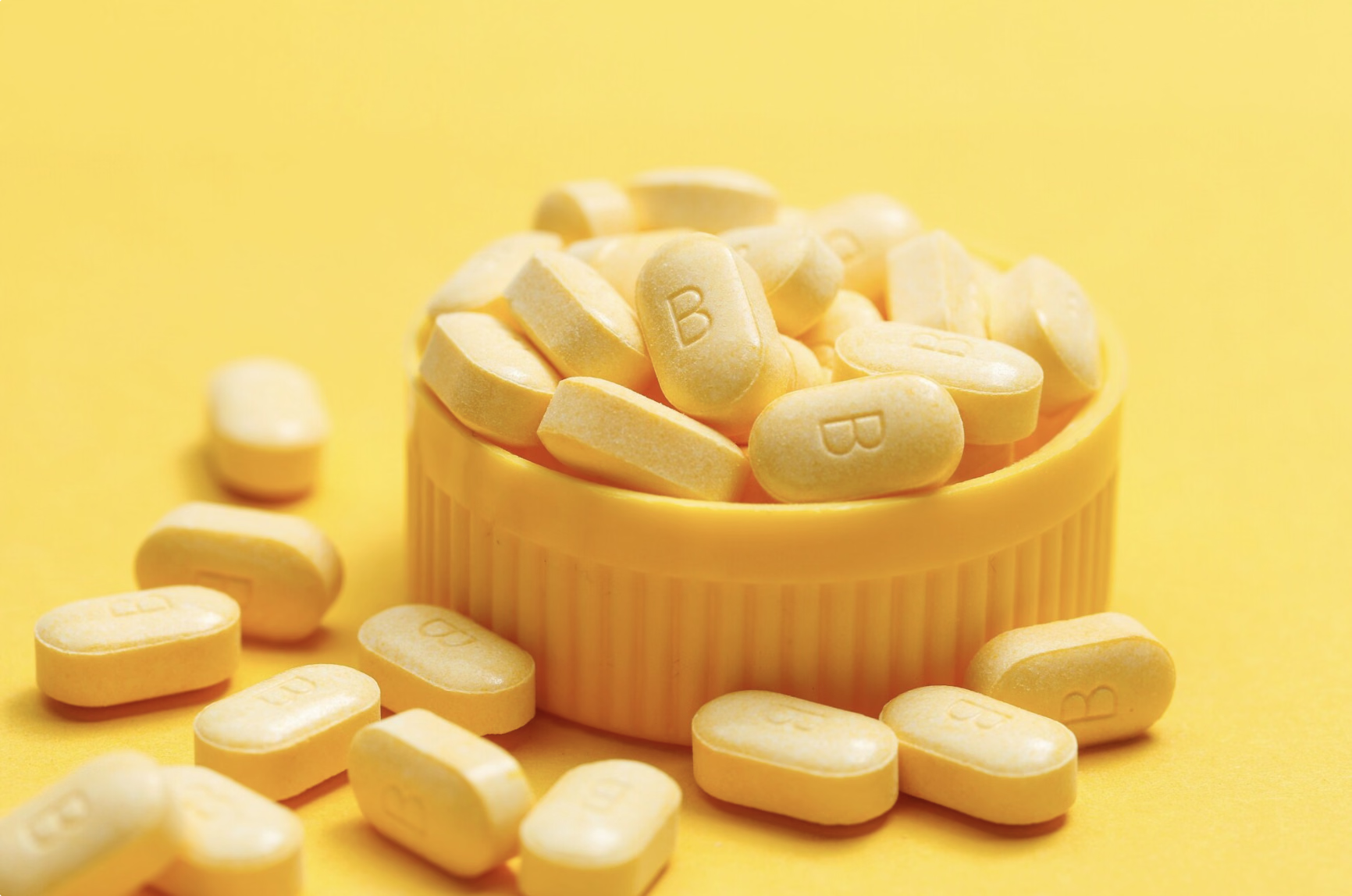
Vitamin B12 supplements and capsules with letter B labeling, illustrating dosage and supplementation considerations for maintaining healthy B12 levels
How Much Vitamin B12 Should I Take?
How much vitamin B12 should you take daily? Learn recommended dosages, when higher doses are needed, and why testing matters before supplementing.
Fit man standing confidently on a city street, representing healthy lifestyle outcomes often discussed when comparing liraglutide vs semaglutide treatments
Liraglutide vs Semaglutide: What’s the Difference?
Compare liraglutide vs semaglutide, including how they work, key differences, dosing considerations, and why provider-guided treatment decisions matter.
Thoughtful man sitting in a café reflecting, symbolizing considerations and potential side effects associated with phentermine treatment
Phentermine Side Effects: What to Expect
Learn about common and potential phentermine side effects, what’s normal, what to watch for, and why medical supervision is essential.
Man standing with a bicycle at sunset holding a cup of coffee, representing lifestyle and weight management conversations related to phentermine use
Does Phentermine Burn Fat or Just Suppress Appetite? What to Know
Does phentermine burn fat or just suppress appetite? Learn how phentermine works, what it actually does for weight loss, and why medical guidance matters.
Assortment of vitamin B12-rich foods including fish, vegetables, and fresh produce, highlighting natural dietary sources that support energy and overall health
Vitamin B12 Foods: Best Sources for Energy and Health
Discover the best vitamin B12 foods, how much you need, and who may still be at risk for deficiency despite a healthy diet.
Fit man standing and relaxing after a run, representing active lifestyle and weight management discussions around tirzepatide vs semaglutide medications
Tirzepatide vs Semaglutide: Key Differences, Benefits, and Considerations
Compare tirzepatide vs semaglutide, including how they work, key differences, side effects, and why medical guidance is essential when choosing a GLP-1 medication.
Athletic man holding a protein shaker with creatine, highlighting questions around supplements, fitness, and testosterone support in men.
Does Creatine Increase Testosterone?
Does creatine increase testosterone? Learn what research shows about creatine, hormones, and whether supplementation affects testosterone levels in men.
Man standing in an office setting with a thoughtful expression, representing careful consideration of testosterone therapy benefits and potential side effects.
Side Effects of Testosterone: What Men Should Know
Learn about the potential side effects of testosterone therapy, what’s normal, what to monitor, and why medical supervision is essential for safe treatment.
Fit man standing confidently in a gym environment, symbolizing strength, energy, and the role testosterone plays in men’s physical performance and overall health.
What Does Testosterone Do for Men?
Discover what testosterone does for men, how it affects physical, sexual, and mental health, and why balanced levels are essential for overall well-being.
Sad, thoughtful man sitting on the edge of the bed looking at his phone while his partner lies nearby, illustrating the emotional impact of erectile dysfunction and hormone imbalance.
Can Erectile Dysfunction Be Caused by Low Testosterone?
Learn how low testosterone may contribute to erectile dysfunction, how to recognize the signs, and why proper testing is essential for effective treatment.
Man with diabetes holding a pill at home, reflecting how blood sugar control and diabetes can impact erectile function and sexual health.
Can Diabetes Cause Erectile Dysfunction? Understanding the Connection
Can diabetes cause erectile dysfunction? Learn how blood sugar affects erections, why ED is common in diabetic men, and what treatment options are available.
Thoughtful man holding pills as he compares oral testosterone and injectable TRT treatments.
Oral Testosterone vs Injection: Which TRT Option Is Best for You?
Compare oral testosterone vs injections to understand effectiveness, convenience, results, and safety. Learn which TRT method fits your goals and how Gameday Men’s Health creates personalized treatment plans.