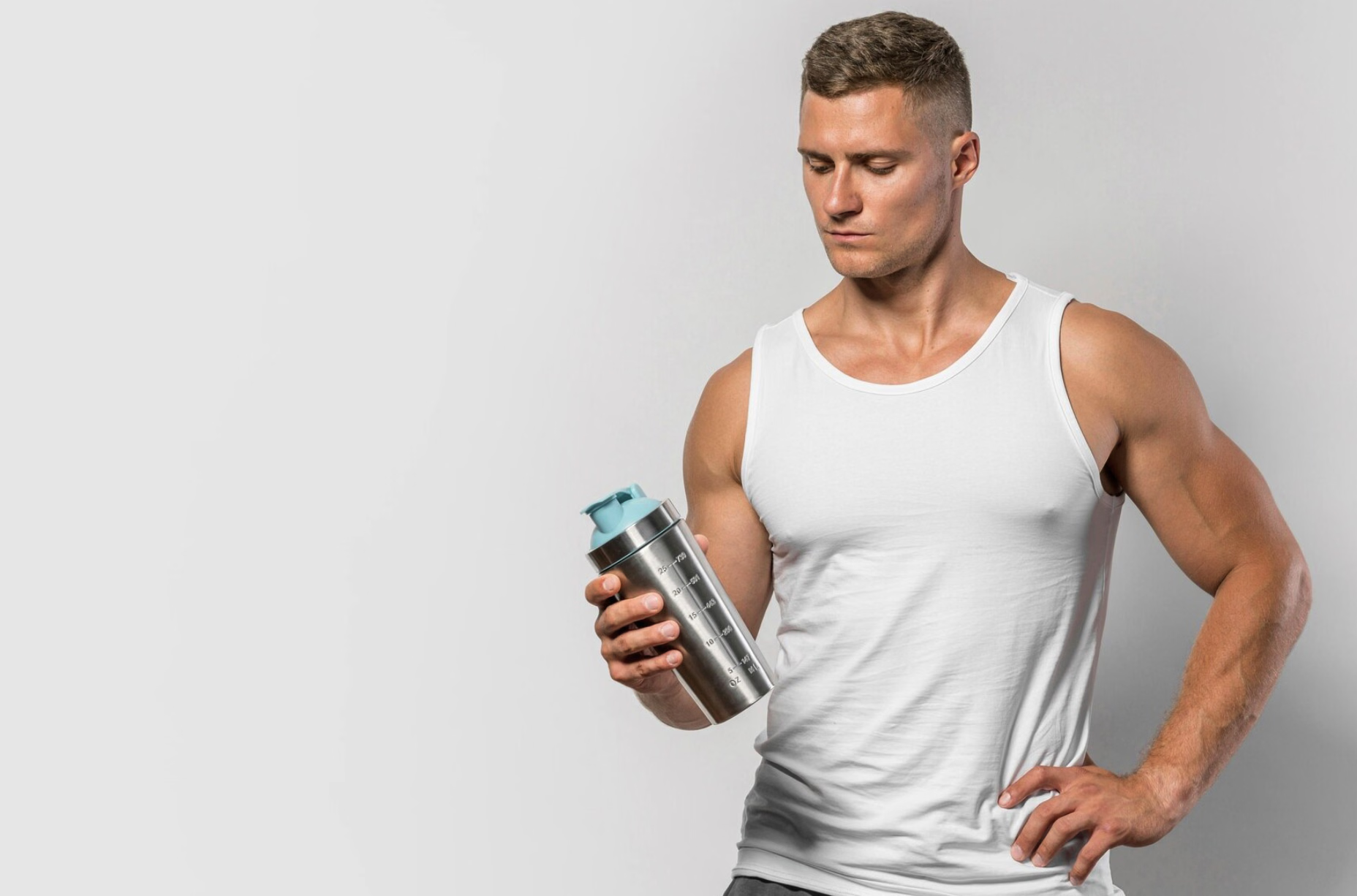
Athletic man holding a protein shaker with creatine, highlighting questions around supplements, fitness, and testosterone support in men.

Does Creatine Increase Testosterone?

Mar 6th, 2026
1
Min Read

Article / Does Creatine Increase Testosterone?

In the fitness world, creatine is one of the most popular and widely researched supplements available.  From recreational gym members to elite athletes, men across all age groups use creatine to attempt to improve strength, power, and workout performance. Creatine is often affordable, easy to take, and recommended as a foundational supplement for resistance training.

At the same time, testosterone is frequently discussed alongside muscle growth and physical performance. Testosterone plays a key role in a wide variety of bodily functions, including protein synthesis, recovery, energy levels, and even motivation. Because both creatine and testosterone are associated with gains in strength and muscle mass, they are often grouped together in conversations about optimizing performance. But does creatine actually increase testosterone?

In this guide, we’ll dive further into both testosterone and creatine to help you understand their differences. We’ll also explore how creatine fits into overall hormone health, and how it should be utilized by men who are experiencing symptoms of low testosterone or are considering hormone testing.

What Is Creatine and How Does It Work?

Creatine is a naturally occurring compound made from amino acids. The body produces creatine in the liver, kidneys, and pancreas, and additional creatine is obtained through foods such as red meat and seafood. Once in the body, creatine is stored primarily in skeletal muscle. (1)

Creatine’s primary function is supporting energy production. During high intensity exercise, muscles rely on adenosine triphosphate, or ATP, as their immediate energy source. ATP is broken down quickly during activities like sprinting, jumping, or lifting weights. Creatine helps regenerate ATP more efficiently, allowing muscles to maintain force output for short bursts of activity. (2)

This process is why creatine is most effective for strength training, explosive movements, and repeated high effort sets. Creatine does not act as a stimulant, and it does not directly affect the nervous system or hormone glands.

Creatine is commonly used to support increases in strength, training volume, and lean muscle mass over time. It has also been studied extensively for safety, and research shows it does not result in kidney damage, hair loss, or dehydration, when taken at recommended doses. (3

Does Creatine Directly Increase Testosterone?

Despite its popularity, creatine does not appear to directly increase testosterone levels in a meaningful or sustained way. Most well-controlled studies show no significant long-term increase in baseline testosterone levels among men who supplement with creatine. (4)

Some research has observed small, short-term changes in testosterone following intense training sessions combined with creatine use. However, these changes are typically temporary and fall within the normal range of daily hormonal fluctuations. Testosterone naturally rises and falls based on factors such as time of day, sleep quality, calorie intake, stress levels, and exercise.

Long-term studies consistently show that creatine supplementation does not lead to clinically significant increases in either total testosterone or free testosterone. Total testosterone reflects the overall amount of hormone circulating in the bloodstream, while free testosterone represents the portion that is biologically active and available to tissues. The research suggests that creatine does not reliably increase either measurement.

It is also important to separate the effects of training from the effects of supplementation. Resistance exercise itself can stimulate short-term hormonal responses, particularly in men who are new to training. When creatine's effects allow some men to train harder, lift heavier weights, or complete more total work, any hormonal changes are more accurately attributed to the improved training stimulus rather than the supplement itself.

In practical terms, creatine should not be viewed as a testosterone-boosting supplement. It does not correct low testosterone, stimulate hormone production, or replace medical treatment when testosterone levels are clinically low.

Indirect Ways Creatine May Support Hormonal Health

While creatine does not directly raise testosterone levels, it can indirectly support factors that influence hormone health over time.

One of the most important indirect effects is improved training quality. When used correctly, creatine allows men to perform more repetitions, lift heavier loads, or maintain strength across multiple sets while working out. Higher quality resistance training is associated with better muscle maintenance and improved metabolic health, both of which are linked to healthier testosterone levels. (5)

Creatine may also support positive changes in body composition. Increased lean muscle mass combined with reduced body fat creates a more favorable hormonal environment. Excess body fat, particularly in the abdomen, is associated with increased conversion of testosterone into estrogen. Supporting muscle mass while managing fat levels may help reduce this effect.

Recovery also plays a role. Creatine can help reduce perceived fatigue and improve training consistency. Chronic fatigue, poor recovery, and overtraining can elevate stress hormones like cortisol, which may negatively impact testosterone over time. By supporting recovery, creatine may help men maintain a healthier balance between training stress and hormonal stability.

These indirect benefits help explain why creatine and testosterone are often discussed together. The relationship is supportive rather than causal.

Common Myths About Creatine and Testosterone

Since creatine is such a popular supplement, there is a lot of misinformation circulating online about how it can affect testosterone. 

One persistent myth is that creatine functions as a hormone booster. There is no evidence that creatine stimulates testosterone production through the brain, pituitary gland, or testes. (6) It does not alter endocrine signaling pathways in the way hormone therapies do.

Another common misconception is that creatine is similar to anabolic steroids. Creatine is not a steroid, nor does it contain hormones. It also does not suppress natural testosterone production. (3) Anabolic steroids are synthetic hormones that directly interfere with the body’s hormonal feedback systems. Creatine does not operate in this way.

Performance improvements from creatine often lead to misconceptions about how it works. When muscle strength is gained after starting creatine use, it’s often assumed that testosterone levels must be increasing. In reality, these gains are driven by improved ATP regeneration and enhanced training capacity rather than hormonal changes. 

Is Creatine Safe for Long-Term Use?

Creatine is considered safe for long-term use in healthy adults when taken at recommended doses. The most common approach involves daily supplementation of three to five grams. Some men choose to use a loading phase, though it is not required to experience benefits. (7)

Staying hydrated is especially important when using creatine. Creatine increases water retention within muscle cells, which is part of how it supports performance. Men using creatine should ensure adequate fluid intake, particularly during intense training or when in hot environments.

While creatine is safe for most people, certain individuals should consult a medical provider before using it. Men with kidney disease, a history of kidney issues, or other chronic medical conditions should seek guidance to ensure supplementation is appropriate.

The quality of creatine is also important. Always use reputable brands and avoid unnecessary additives to reduce the risk of contamination or inconsistent dosing.

When Testosterone Testing Makes Sense

Creatine and other supplements cannot diagnose or treat hormonal imbalances. Men experiencing symptoms such as persistent fatigue, reduced libido, loss of muscle mass, low motivation, or difficulty recovering from exercise can utilize proper testosterone testing to see if they have low T levels and may benefit from treatments such as Testosterone Replacement Therapy. 

Lab testing from a trusted clinician like Gameday Men’s Health can provide objective insight into hormone levels, as symptoms alone are not enough to diagnose low T. Many other conditions,  like diabetes or thyroid dysfunction share symptoms with low testosterone. Blood testing for total and free testosterone levels can help clinicians get a full overview of your health.

Supplements should not be used as substitutes for testing. While creatine may improve gym performance, it will not correct clinically low testosterone or address underlying causes such as sleep disruption, metabolic issues, or age-related hormonal decline.

How Gameday Men’s Health Approaches Hormone Health

At Gameday Men’s Health, hormone care begins with comprehensive testing and personalized evaluation. Instead of assumptions or one-size-fits-all solutions, our providers focus on understanding each patient’s unique hormone profile, symptoms, and goals. 

At Gameday, supplements like creatine may be discussed in the context of strength training and performance, but they won’t be recommended as hormonal treatments. When testosterone levels are normal, guidance often centers on lifestyle optimization techniques, new training strategies, recovery, and nutrition. 

For men with confirmed low testosterone, treatment options like TRT are discussed with a focus on safety, monitoring, and long-term health. Ongoing lab testing ensures hormone levels remain within a healthy range while minimizing potential side effects.Understanding the difference between performance supplements like creatine and hormone therapy is critical for optimizing your health effectively. While creatine can be a valuable tool for training, it should not be relied on to boost testosterone levels. If you’re interested in learning more, or if you suspect your testosterone levels may be low, contact your local Gameday Men’s Health location today to schedule a consultation.


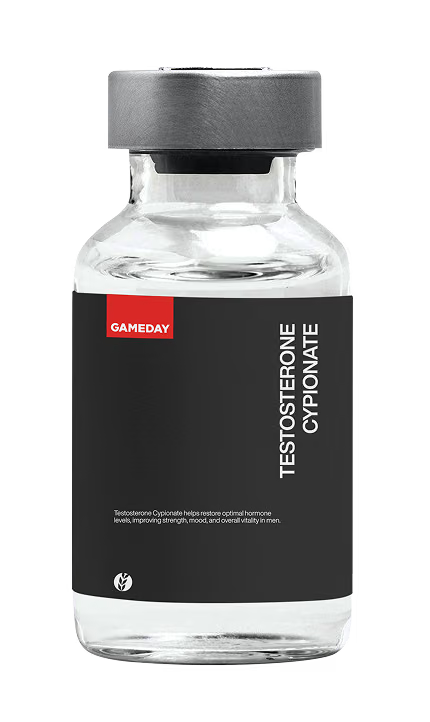
Close-up of a bottle of Testosterone Cypionate, a long-acting injectable testosterone medication prescribed to men seeking to restore hormone balance, energy, and vitality at Gameday Men's Health.
Steady Support
Strength
Best Seller

Testosterone Cypionate Injections

Testosterone Cypionate provides long-acting hormone support through periodic injections that maintain steady testosterone levels. This option enhances muscle strength, bone health and overall vitality. Beneficial for men with confirmed hormone deficiency and performance-focused goals.

Read More...
SEE TREATMENT
SEE TREATMENT
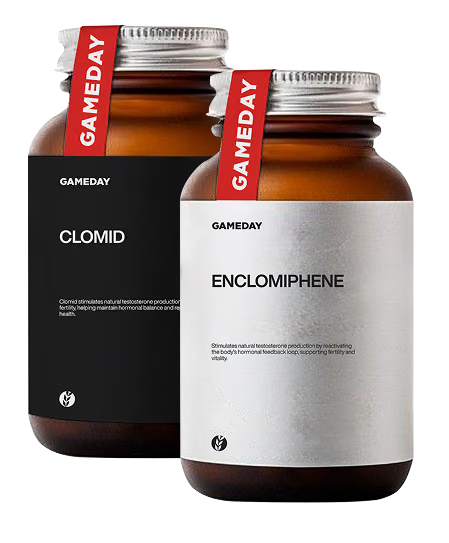
Two prescription bottles side by side, one containing Clomid and the other Enclomiphene, representing medically guided treatments for low testosterone levels at Gameday Men's Health.
Hormone Balance
Fertility
Best Seller

Clomid / Enclomiphene

Clomid and Enclomiphene work by stimulating your body’s hormonal response to naturally boost testosterone and support fertility. Ideal for men who want to reclaim hormone balance without traditional testosterone injections, this protocol supports libido, sperm health and vitality through guided care.

Read More...
SEE TREATMENT
SEE TREATMENT
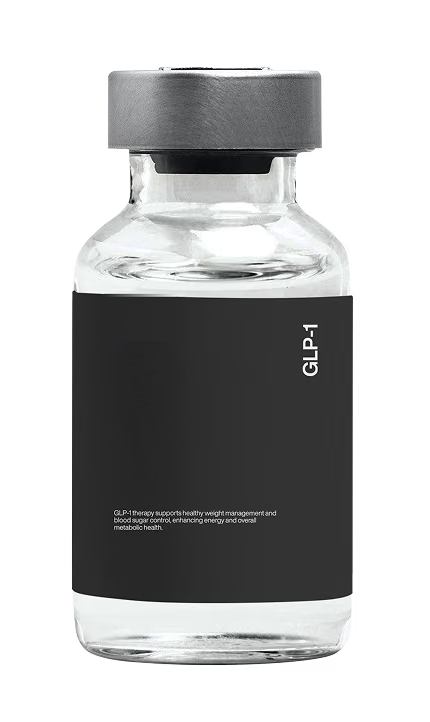
GLP-1 medication vial used for weekly weight loss injections at Gameday Men’s Health.
Balance
Best Seller

GLP-1 Medications

GLP-1 therapy supports appetite regulation and blood sugar control to help men achieve steady, sustainable weight loss and improved metabolic health. For men who have tried diet and exercise yet still struggle with excess weight or energy dips, GLP-1 offers a medically-supervised option that aligns with performance, wellness and hormonal balance.

Read More...
SEE TREATMENT
SEE TREATMENT
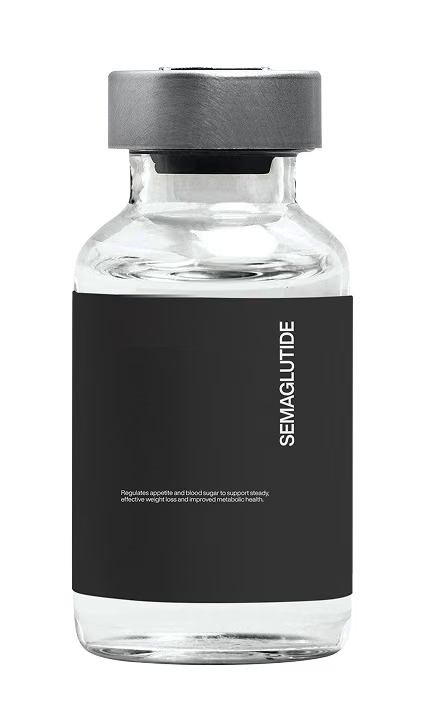
Semaglutide medication vial for medical weight-loss treatment at Gameday Men's Health.
Weight Loss
Appetite Control
Best Seller

Semaglutide

Semaglutide is a GLP-1 medication that helps reduce appetite, curb cravings, and improve metabolic function to support steady, sustainable weight loss. By slowing gastric emptying and improving insulin response, semaglutide makes it easier for men to stay consistent with nutrition and see meaningful progress. At Gameday Men’s Health, semaglutide is integrated into a personalized weight-management program designed to help men lose weight safely and effectively.

Read More...
SEE TREATMENT
SEE TREATMENT
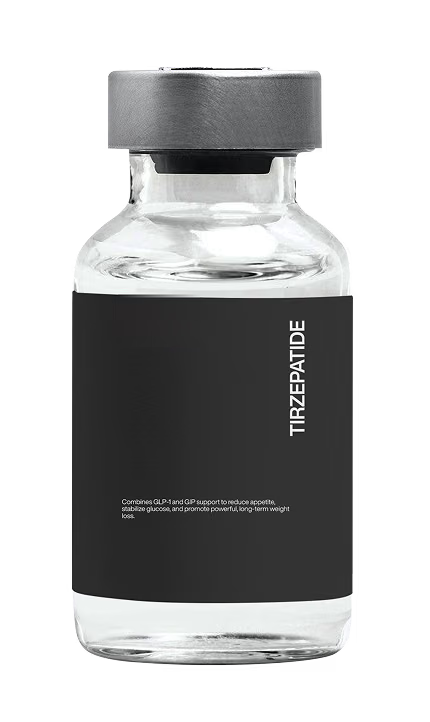
Gameday Men’s Health Tirzepatide injection vial designed for medical weight loss, appetite control, improved metabolic health, and long-term weight management support.
Metabolism Boost
Appetite Control
Best Seller

Tirzepatide

Tirzepatide is a dual-action metabolic therapy that supports weight control by improving insulin sensitivity, reducing appetite, and enhancing satiety. It helps regulate blood sugar levels and supports steady fat loss when combined with proper nutrition and lifestyle habits. This option is ideal for men seeking a guided, medically supervised approach to sustainable weight-management results.

Read More...
SEE TREATMENT
SEE TREATMENT
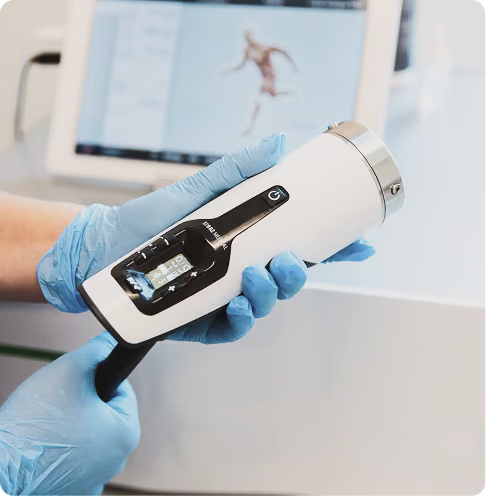
Close-up of a shockwave therapy device used in non-invasive erectile dysfunction treatment, designed to improve blood flow and stimulate new blood vessel growth at Gameday Men's Health.
Regeneration
Restoration
Best Seller

Shockwave therapy for Erectile Dysfunction

Shockwave therapy uses low-intensity acoustic waves to stimulate new blood vessel growth and tissue regeneration. It’s a safe, non-invasive treatment that improves erectile function, sensation, and long-term performance without medication.

Read More...
SEE TREATMENT
SEE TREATMENT
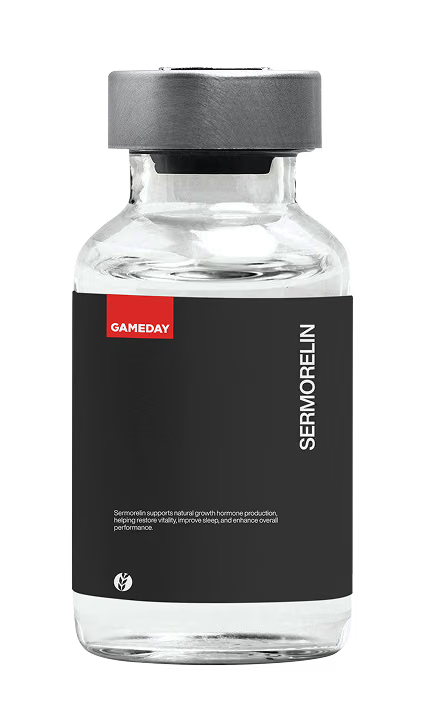
Sermorelin peptide therapy vial used to support growth hormone production at Gameday Men’s Health.
Recovery
Vitality
Best Seller

Sermorelin Peptide Injections

Sermorelin stimulates your body’s natural growth hormone production, supporting lean muscle, enhanced recovery, improved sleep and greater vitality. Ideal for men seeking a restorative, lifestyle-focused approach to aging well and maintaining energy, strength and overall wellness.

Read More...
SEE TREATMENT
SEE TREATMENT
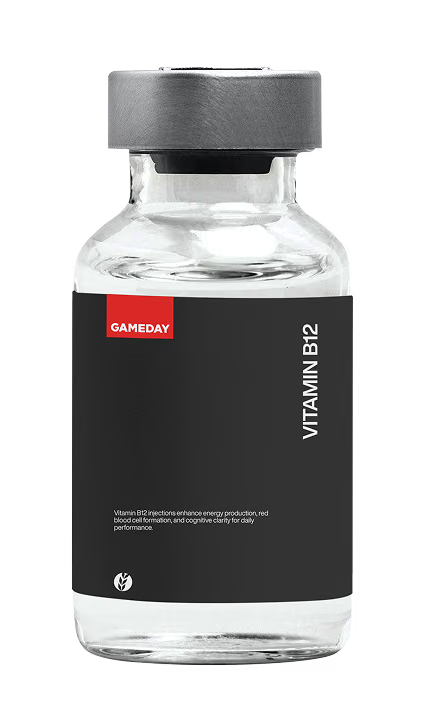
Bottle of Vitamin B12 injection used for energy support and metabolic health at Gameday Men’s Health.
Energy
Best Seller

Vitamin B12 injections

Vitamin B12 injections help boost energy, improve focus and support metabolic health by delivering a potent dose of this essential nutrient directly into your bloodstream. At Gameday we use B12 to support red blood cell and nerve health in men who feel fatigued or need a reliable vitality boost.

Read More...
SEE TREATMENT
SEE TREATMENT
Vial of MIC Lipotropic and B12 injection used for metabolism support and fat-burning treatment at Gameday Men’s Health.
Metabolism Boost
Fat Loss Support
Best Seller

MIC Lipotropic + B12 Injections

MIC B12 injections deliver key nutrients designed to support fat metabolism, improve liver function and enhance overall energy. Ideal for men who train hard, travel often or need an extra metabolic boost, this therapy complements your lifestyle and helps your body make the most of your effort.

Read More...
SEE TREATMENT
SEE TREATMENT
Fit man holding a Clomid pill bottle, highlighting treatment options for boosting testosterone and supporting men’s wellness.Fit man holding a Clomid pill bottle, highlighting treatment options for boosting testosterone and supporting men’s wellness.
Don’t Just Read About It,
Feel The Difference.
Thousands of men have already taken the first step toward stronger energy, better performance, and lasting confidence. The science is real — and the results speak for themselves. Ready when you are.

Related Articles

Man standing in an office setting with a thoughtful expression, representing careful consideration of testosterone therapy benefits and potential side effects.
Side Effects of Testosterone: What Men Should Know
Learn about the potential side effects of testosterone therapy, what’s normal, what to monitor, and why medical supervision is essential for safe treatment.
Fit man standing confidently in a gym environment, symbolizing strength, energy, and the role testosterone plays in men’s physical performance and overall health.
What Does Testosterone Do for Men?
Discover what testosterone does for men, how it affects physical, sexual, and mental health, and why balanced levels are essential for overall well-being.
Sad, thoughtful man sitting on the edge of the bed looking at his phone while his partner lies nearby, illustrating the emotional impact of erectile dysfunction and hormone imbalance.
Can Erectile Dysfunction Be Caused by Low Testosterone?
Learn how low testosterone may contribute to erectile dysfunction, how to recognize the signs, and why proper testing is essential for effective treatment.
Man with diabetes holding a pill at home, reflecting how blood sugar control and diabetes can impact erectile function and sexual health.
Can Diabetes Cause Erectile Dysfunction? Understanding the Connection
Can diabetes cause erectile dysfunction? Learn how blood sugar affects erections, why ED is common in diabetic men, and what treatment options are available.
Thoughtful man holding pills as he compares oral testosterone and injectable TRT treatments.
Oral Testosterone vs Injection: Which TRT Option Is Best for You?
Compare oral testosterone vs injections to understand effectiveness, convenience, results, and safety. Learn which TRT method fits your goals and how Gameday Men’s Health creates personalized treatment plans.
Couple enjoying time together in the kitchen, reflecting confidence, intimacy, and sexual health balance.
How to Maintain Sexual Health: A Men’s Guide for 2026
Discover how to maintain sexual health with proven lifestyle habits, hormone balance, stress reduction, and modern men’s health treatments. Learn practical steps to feel confident in 2026.
Man taking an oral TRT medication while considering side effects and long-term hormone health.
Oral TRT Side Effects: What Men Should Know in 2026
Learn the most common oral TRT side effects, how modern oral testosterone works, and how medical monitoring keeps treatment safe. Explore your personalized TRT options.
Man’s hand holding a vitamin supplement designed to support libido and sexual health.
Best Vitamins for Men’s Sexual Health
Discover the best vitamins for men’s sexual health. Learn how key nutrients support libido, testosterone, energy, and performance — and when to seek professional help.
Thoughtful man standing by a window, reflecting on erectile dysfunction treatment options and long-term sexual health.
How to Cure Erectile Dysfunction: What Men Need to Know
Can erectile dysfunction be cured? Learn what causes ED, which types are reversible, and what treatments actually work for long-term improvement.
Man and woman sitting apart on a bed looking concerned, illustrating relationship stress related to erectile dysfunction and medication side effects.
Does Lisinopril Cause Erectile Dysfunction?
Does lisinopril cause erectile dysfunction? Learn how blood pressure medications affect erections, what the research shows, and what men can do if ED occurs.
Thoughtful man reading while seated on the floor, reflecting proactive steps toward erectile dysfunction prevention.
How to Prevent Erectile Dysfunction
Learn how to prevent erectile dysfunction by reducing risk factors, improving lifestyle habits, and addressing health issues early.
Stressed man sitting at his office desk, illustrating how chronic stress and mental fatigue can contribute to erectile dysfunction in men.
Can Stress Cause Erectile Dysfunction?
Can stress cause erectile dysfunction? Learn how stress and anxiety affect erections, why stress-related ED is common, and what men can do to improve performance.