Reviewed by: Dr. Hal and Gameday's Medical Advisory Board
Many men who take medication for high blood pressure (hypertension) eventually notice changes in sexual performance. (1) Sometimes those changes are subtle, like erections that feel less firm. Other times they are severe cases of erectile dysfunction, such as difficulty getting or maintaining an erection at all. When this happens, men often assume the medication they’re taking is causing this drop in performance.
Lisinopril is one of the most commonly prescribed blood pressure medications in the United States. Because of the connection between high blood pressure medication and ED, many men are cautious about taking lisinopril, or look to stop taking it once an issue arises.
Understanding the real connection between lisinopril and erectile dysfunction requires
separating the effects of the medication from the effects of the condition it treats. High blood pressure, heart disease, and other cardiovascular problems are all closely linked to erectile dysfunction, and in many cases, the underlying health issue men are experiencing plays a much bigger role than the medication they’re taking. (2)
In this guide, we’ll take a clear, evidence-based look at the relationship between lisinopril and erections, explain how blood pressure and heart health affect sexual performance, and outline what steps men with high blood pressure can take if they’re concerned about erectile dysfunction.
What Is Lisinopril?
Lisinopril belongs to a class of medications called ACE inhibitors, or angiotensin-converting enzyme. These medications are commonly used to manage conditions related to the heart and blood vessels.
In simple terms, lisinopril helps blood vessels relax. When blood vessels are more relaxed, blood flows more easily, which lowers blood pressure and reduces strain on the heart. This makes lisinopril effective for treating high blood pressure, heart failure, and certain kidney conditions, especially in people with diabetes. (3)
Lisinopril is often prescribed as a long-term medication. Men on lisinopril often take it for years at a time as part of a broader health plan to protect cardiovascular health. However, since erections depend heavily on blood flow, men taking this medication often question its effect on sexual performance. This concern is especially common among those already struggling with erectile issues or those about to begin treatment.
Can Lisinopril Cause Erectile Dysfunction?
While some high blood pressure medication can increase the risk of erectile dysfunction, lisinopril is not commonly associated with ED. Large clinical studies and prescribing information do not list erectile dysfunction as a frequent or expected side effect of this medication. (4)
With that said, some men may still experience difficulties with erectile function when taking lisinopril. When this occurs, it is important to look at the full picture to determine the root cause. In most of these cases, the dysfunction is likely being caused by an underlying cardiovascular disease, or another common cause of ED such as high stress levels, anxiety, or hormonal imbalances.
Since high blood pressure damages blood vessels over time, it reduces their ability to expand and deliver adequate blood flow. Because the arteries that supply the penis are relatively small, they are often affected earlier than larger arteries elsewhere in the body.
When it comes to erectile dysfunction, lisinopril is generally considered neutral. If you’re experiencing symptoms of erectile dysfunction while taking lisinopril, the likely cause is the high blood pressure itself or another underlying condition. For many men, treating high blood pressure actually helps preserve erectile health over the long term by protecting blood vessels from further damage.
Blood Pressure, Heart Health, and Erections
Erections are a vascular event. Sexual stimulation triggers a series of signals that cause blood vessels in the penis to relax and fill with blood. Anything that interferes with this process can make erections more difficult.
High blood pressure is one of the most common contributors to erectile dysfunction. Over time, elevated blood pressure stiffens and narrows blood vessels. This reduces blood flow and impairs the ability of arteries to respond to signals that tell them to relax. Some research has shown that as many as 68% of men with high blood pressure experienced some form of ED, with 45% experiencing severe symptoms. (5)
In addition to blood vessel damage, high blood pressure is often associated with other conditions that affect sexual health, such as insulin resistance, inflammation, and obesity. This creates a condition called metabolic syndrome, where each condition negatively impacts the others, leading to potential long-term health issues. (6)
For many men, erectile dysfunction serves as an early warning sign of cardiovascular disease. Addressing blood pressure and overall heart health can simultaneously prevent serious long-term health issues while also restoring sexual function.
How Lisinopril Compares to Other Blood Pressure Medications
Not all blood pressure medications affect sexual function in the same way. ACE inhibitors, including lisinopril and enalapril are generally considered neutral when it comes to erectile function. They work to lower blood pressure without significantly interfering with the mechanisms involved in erections. (7)
Other classes of blood pressure medications have a stronger association with erectile dysfunction, particularly older formulations or higher doses. These include:
- Beta-blockers, which can reduce nerve signals involved in arousal and lower testosterone levels in some men
- Thiazide diuretics, which may reduce blood flow and alter electrolyte balance
- Certain centrally acting medications that affect the nervous system
Even though these medications may have a slightly higher chance of causing erectile issues, that doesn’t necessarily mean they should be avoided at all costs. Many men can tolerate these medications well without experiencing sexual side effects, and they may be the best option for certain circumstances.
If you have concerns about whether a medication for hypertension may cause ED, talk to your doctor to see if there is a potential alternative that will still work for your specific health profile. Healthcare providers consider blood pressure control, heart risk, side effects, and quality of life when choosing a medication.
What to Do If You Experience ED While Taking Lisinopril
If erectile dysfunction develops while you are taking lisinopril, the most important step is not to stop the medication without first consulting your clinician. Abruptly stopping blood pressure medication can potentially lead to dangerous spikes in blood pressure and increase the risk of heart attack or stroke. (8)
Erectile dysfunction is common, especially in men with cardiovascular risk factors. It is even further amplified for men over 40. If you notice ED while taking lisinopril, a thorough evaluation is needed to determine the root cause. While it’s not likely the lisinopril itself is causing erectile dysfunction, an evaluation from an experienced physician can examine:
- Blood pressure control and overall cardiovascular health
- Testosterone levels and other hormones
- Stress, anxiety, and mental health
- Sleep quality and possible sleep apnea
- Weight, diet, physical activity, and alcohol use
In many cases, addressing these underlying factors improves erectile function without changing blood pressure medication. When medication adjustments are needed, they should be made carefully and under medical supervision.
ED Treatment Options for Men with High Blood Pressure
In most instances, erectile dysfunction is highly treatable, even in men with high blood pressure. The right approach depends on each individual’s overall health, and the underlying cause of the problem.
Lifestyle changes are often the foundation of treatment for ED. Improving diet, increasing physical activity, losing excess weight, and reducing alcohol intake can all improve blood flow and hormone balance. These changes also support better blood pressure control, creating benefits that extend beyond sexual health. (9)
Hormonal evaluation is another important step for some men. Low testosterone can contribute to reduced libido, poor erections, and fatigue. Identifying and treating a deficiency can improve symptoms and overall quality of life.
Prescription medications for erectile dysfunction, such as Tadalafil and Sildenafil (Viagra and Cialis) are commonly used and can be safe for men with high blood pressure when properly prescribed. These medications work by enhancing blood flow to the penis and are often effective even when vascular damage is present.
Advanced ED Therapies: Expanding Options for the Right Patient
For men who do not achieve satisfactory results with lifestyle changes or first-line oral medications, several advanced therapies may be appropriate depending on the underlying cause of erectile dysfunction. When used thoughtfully and under physician supervision, these options can play an important role in a comprehensive men’s health strategy.
Testosterone Replacement Therapy (TRT)
Testosterone Replacement Therapy (TRT) can be highly effective for men with confirmed testosterone deficiency who experience symptoms such as low libido, reduced energy, and impaired erectile quality. When properly diagnosed, carefully dosed, and closely monitored, testosterone optimization can significantly improve sexual function, body composition, and overall quality of life. TRT is not an erectile dysfunction treatment in isolation, but in the right patient, it can be a meaningful part of restoring sexual health.
Low-Intensity Shockwave Therapy (LiSWT or GAINSWave®)
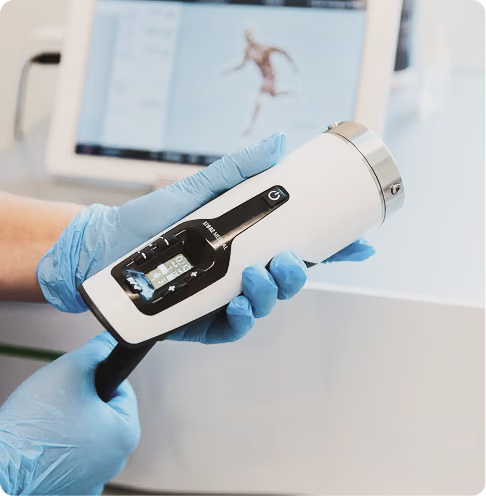
Low-intensity shockwave therapy, such as LiSWT or GAINSWAVE® has emerged as a promising, non-invasive option for men with vasculogenic erectile dysfunction. By stimulating blood flow and supporting vascular signaling pathways, shockwave therapy may improve erectile function in select patients. Clinical results vary, but many men experience improved rigidity and responsiveness, particularly when therapy is combined with lifestyle optimization and appropriate medical management.
Platelet-Rich Plasma (PRP or P-Shot®)
PRP therapy, such as the P-Shot®, is an evolving treatment that uses the body’s own growth factors to support tissue health and repair. While large-scale clinical data is still developing, some men report improvements in sensitivity and erectile quality following treatment. PRP is best viewed as an adjunctive option within a broader, physician-guided care plan and may be considered for carefully selected patients.
Sermorelin Peptide Therapy
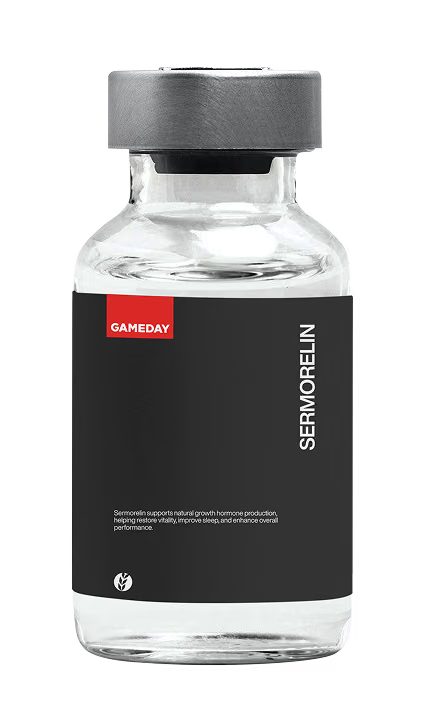
Sermorelin is not a direct erectile dysfunction treatment, but it can support sleep quality, recovery, metabolic health, and overall vitality. These factors indirectly influence sexual performance and hormone balance. In men with age-related declines in growth hormone signaling, sermorelin may help improve energy levels and overall well-being, which can contribute to better sexual health when used as part of a comprehensive treatment approach.
How Gameday Men’s Health Supports Men with ED
At Gameday Men’s Health, erectile dysfunction is approached as a medical issue with real underlying causes. Care begins with a private, judgment-free evaluation that allows men to discuss symptoms openly in a comfortable, male-focused environment.
Comprehensive lab testing plays a key role in identifying contributing factors. This may include hormone levels, cardiovascular markers, and other relevant data that help clarify why erectile dysfunction is occurring.
Based on these findings, customized treatment plans are developed with the help of our professional team. These plans are tailored to the individual and may involve lifestyle guidance, hormone optimization, or targeted therapies designed to improve erectile function while supporting overall health.
Erectile dysfunction and cardiovascular health change over time, and Gameday understands that treatment should adapt as needed. By focusing on root causes rather than quick fixes, Gameday Men’s Health helps men regain confidence and protect their overall well-being.
Key Takeaways
For men concerned about sexual performance, asking questions like “can lisinopril cause erectile dysfunction” is completely understandable. However, in the case of lisinopril, there is no evidence to indicate it can cause erectile dysfunction. If ED is happening while taking lisinopril, it’s likely being caused by a different underlying condition such as the high blood pressure itself or a cardiovascular issue that should be treated with the help of a clinician.
If you have more questions about how hypertension medication is impacting bedroom performance, or if you’re experiencing ED and are looking for a permanent solution, Gameday can help. Contact your local Gameday Men’s Health location today to schedule a consultation and take back control over your health and performance.