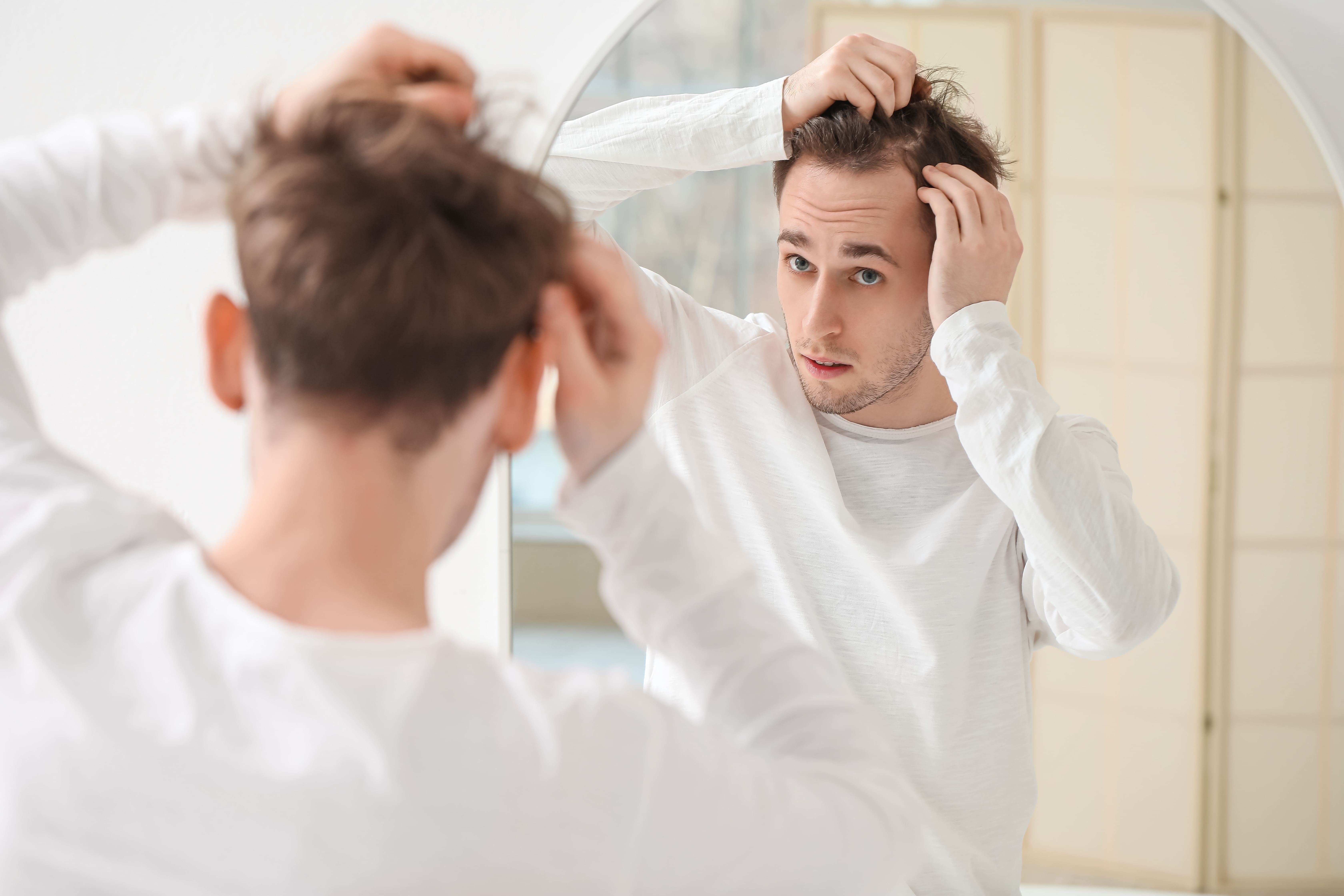
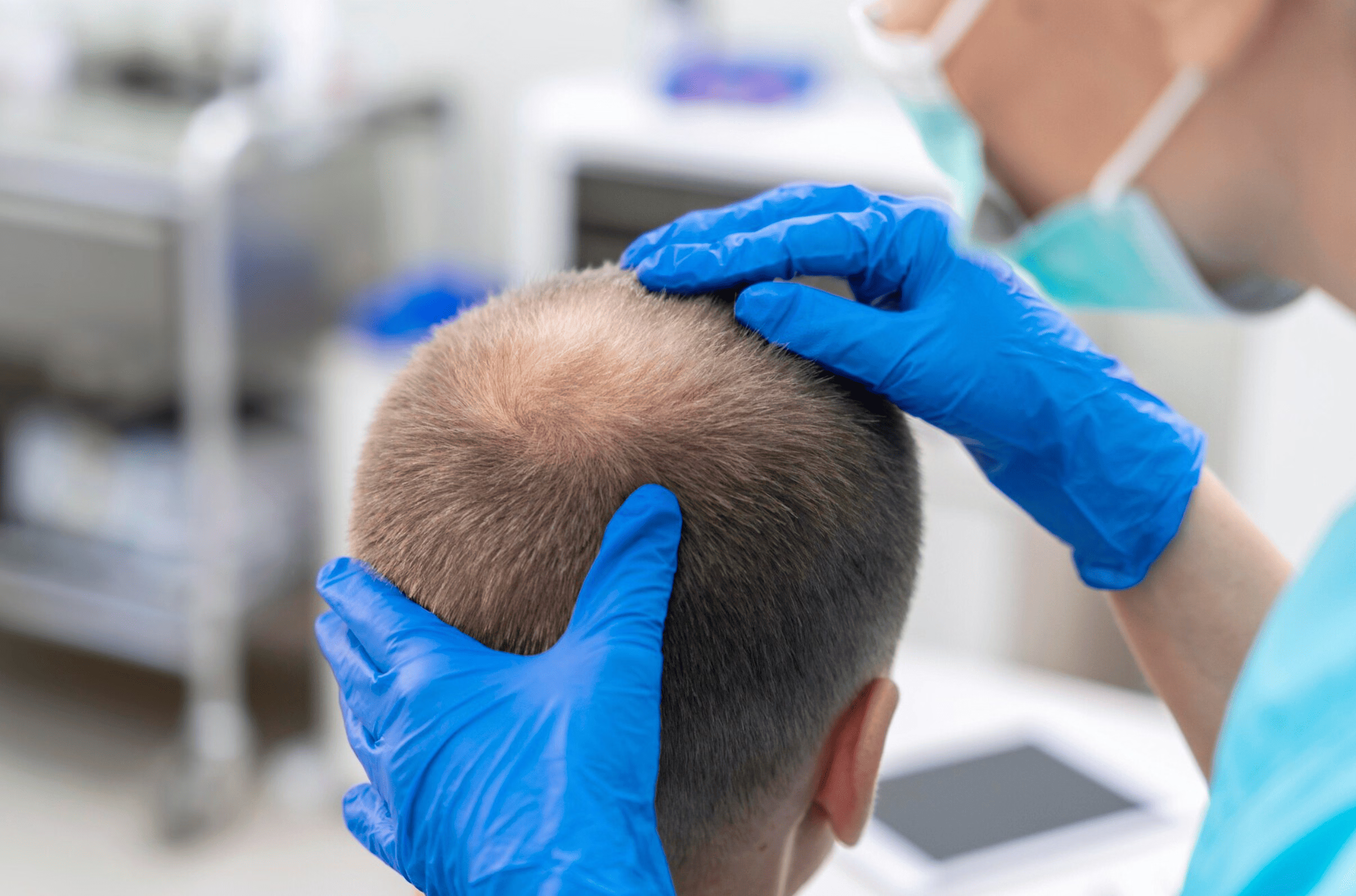
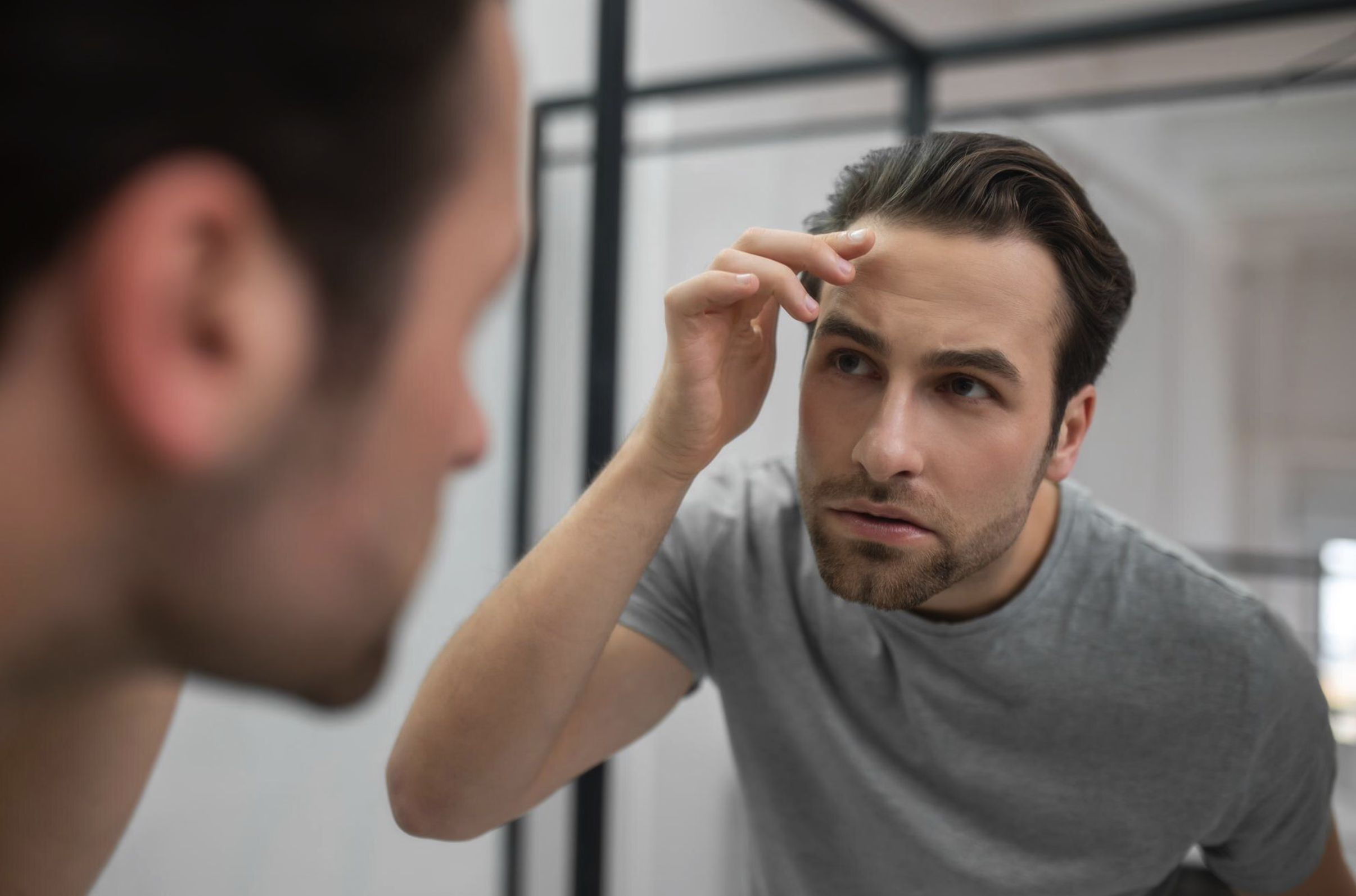
Close-up of a man examining his hairline, illustrating early signs and common causes of hair loss in men.

What Causes Hair Loss in Men?

Jan 30th, 2026
1
Min Read

Article / What Causes Hair Loss in Men?

Hair loss is one of the most common concerns men face as they age. As of 2025, nearly 43% of Americans and 41% of Canadians have male pattern baldness. (1)  Some men notice a receding hairline as early as their twenties, while others experience thinning much later in life. For many, hair loss seems to appear gradually without a clear explanation of why it is occurring. 

Understanding why hair loss happens is the first and most important step toward managing it effectively. While genetics play a major role, they are far from the only factor, and starting hair regeneration treatment early substantially increases the chances of maintaining your hair. Hormones, stress, medical conditions, lifestyle habits, and even certain medications can all influence hair health.

In this article, we’ll break down the most common causes of hair loss in men, explain the differences between normal signs of hair loss and more alarming symptoms, and examine the medication and treatment options available for men experiencing hair loss. 

Male Pattern Baldness (Androgenetic Alopecia)

Male pattern baldness, also known as androgenetic alopecia, is by far the most common cause of hair loss in men. It affects the majority of men at some point in their lives and is largely driven by genetics and hormones.

This condition occurs when hair follicles are genetically sensitive to a hormone called dihydrotestosterone, or DHT. DHT is a byproduct of testosterone and plays an important role in male development. However, in men who are genetically predisposed, DHT causes hair follicles on the scalp to shrink over time. (2)

As follicles shrink, the hair they produce becomes thinner, shorter, and lighter. Eventually, the follicle may stop producing hair altogether. This process occurs over years and decades, gradually getting worse as men get older. 

The pattern of hair loss is usually predictable. Many men first notice a receding hairline at the temples, while others experience thinning at the crown of the head. Over time, these areas may expand and connect, leaving hair on the sides and back of the scalp while the top becomes sparse or bald.

Male pattern baldness is genetic. Having a close male relative (on either your mother or father’s side) with hair loss increases the likelihood of experiencing androgenetic alopecia yourself, but there are no guarantees about the pattern or timeline. The rate of progression can vary widely from one man to another. (3)

Hormones and Hair Loss

Hormones play a central role in hair growth and loss, especially in men. While testosterone itself is not the direct cause of hair loss, its conversion into DHT is a key factor. Men with higher sensitivity to DHT in scalp hair follicles are more likely to experience thinning and baldness.

Hormonal imbalances can also contribute to hair loss beyond classic male pattern baldness. Low testosterone levels may disrupt the normal hair growth cycle, leading to increased shedding or slower regrowth. Other hormonal issues, such as elevated cortisol from chronic stress, can further interfere with healthy hair production. (4)

Hair grows in cycles that include growth, rest, and shedding phases. Hormonal disruptions can push more hairs into the shedding phase at the same time, making hair appear thinner overall. While some of this shedding may be temporary, ongoing imbalances can make maintaining or recovering hair more difficult. (5)

Regular hormone evaluations can make a major difference, especially when hair loss is accompanied by other symptoms such as fatigue, low libido, mood changes, or difficulty maintaining muscle mass. Addressing underlying hormonal issues may not stop hair loss altogether, but it can support healthier hair and slow the progression of balding. 

Stress and Hair Loss

Stress is an often overlooked contributor to hair loss. Both physical and emotional stress can affect the hair growth cycle in significant ways. Common stressors like major life changes, illnesses, surgery, or stresses from work, finances, or family issues can lead to increased shedding. 

One common condition is telogen effluvium, a type of hair loss that occurs after substantial stress. This occurs when stress pushes a large number of hair follicles into the resting phase at once. Several months later, those hairs shed more noticeably, often during washing or brushing. While this type of hair loss is usually temporary, it can be alarming for men experiencing it. (6)

Stress does not typically cause permanent baldness on its own, but it can accelerate existing hair loss in men who are already genetically predisposed to hair loss. Elevated stress hormones can worsen inflammation and disrupt blood flow to the scalp, making hair follicles more vulnerable.

Managing stress can improve not only your mental health but also your hormonal balance, including maintaining healthy hair growth

Medical Conditions That Cause Hair Loss

While genetics and stress are two major factors that cause hair loss, there are also numerous medical conditions that can lead to temporary or, at times, permanent baldness.  Identifying these conditions can help men treat the underlying cause causing hair loss, rather than seeking out ineffective solutions. 

One example of a medical condition that can lead to hair loss is thyroid disorders. Both an underactive and overactive thyroid can disrupt hair growth cycles, leading to diffuse thinning across the scalp rather than a specific pattern. (7)

Autoimmune conditions can also cause hair loss, a condition known as alopecia areata. In some cases, the immune system mistakenly attacks hair follicles, resulting in patchy hair loss on the scalp or other parts of the body. (8) Nutritional deficiencies are another factor. Low levels of iron, vitamin D, B vitamins, or protein can impair hair production. 

Chronic illnesses that place long-term stress on the body can similarly impact hair growth. These conditions may include lupus, cancer, burning scalp syndrome, or certain eating disorders. (9)

Lifestyle Factors That Contribute to Hair Loss

Daily habits can also subtly influence hair health over time. While lifestyle factors alone won’t cause baldness, they can quicken the pace of hair thinning or slow down the regrowth process. 

Poor nutrition and diet can be an indirect cause of hair loss. A diet low in essential nutrients deprives hair follicles of the building blocks they need to function properly. Iron, vitamin D, and zinc are among the most important nutrients to support hair growth and restoration. (10)

Smoking reduces blood flow and oxygen delivery to the scalp, which can weaken hair follicles, while excessive alcohol intake may contribute to dehydration and nutrient deficiencies. Some aggressive grooming practices such as tight hairstyles or frequent heat styling can place unnecessary stress on hair shafts and follicles. (11)

Improving lifestyle habits supports overall health and may help preserve existing hair. While it may not reverse genetic hair loss, it can create a healthier environment for hair growth.

Medications and Hair Loss

It’s important to be aware of all side effects before starting any medication, as some may increase the chances of hair loss. While this does not mean these medications will necessarily cause hair loss in everyone who takes them,some men may be more sensitive to their effects. 

Retinoids, antidepressants, anticonvulsants, and beta-blockers are among the medications that have an increased likelihood of causing hair loss. (12)

It is important not to stop or adjust any prescribed medication without medical guidance, as abruptly discontinuing treatment can pose serious health risks. If hair loss begins after starting a new medication, your healthcare provider can help determine whether the medication may be contributing to the issue and discuss possible alternatives. In some cases, medication-related hair loss is temporary, and the condition improves once the body adjusts. 

When Hair Loss Is a Sign to Seek Help

Hair loss is often gradual and mostly predictable, especially when it comes to male pattern baldness. However, there are certain hair-loss related symptoms that call for professional attention. These include: 

  • Sudden or rapid hair shedding over a short period
  • Patchy hair loss or bald spots that appear abruptly
  • Hair loss accompanied by fatigue, weight changes, or other new symptoms
  • Hair thinning at a younger age than expected or the issue progressing quickly

Early evaluation offers clear benefits. Identifying the cause sooner allows for more effective intervention and may slow or stabilize further loss. It also helps rule out medical conditions that require treatment beyond hair-focused therapies.

How Gameday Men’s Health Helps Address Hair Loss

At Gameday Men’s Health, we strive to find the underlying cause when it comes to hair loss. Thinning hair could be related to genetics, hormones, medical issues, lifestyle habits, or a combination of factors, so finding the right solution depends on each patient’s individual situation.

At Gameday, we provide PRP (platelet-rich plasma) therapy for hair loss. This treatment plan involves taking a small amount of blood and placing it into a centrifuge to isolate healing growth factors.  These growth factors are then injected into targeted areas of your scalp to stimulate weakened hair follicles and help reactivate growth cycles.

This therapy is natural, non-surgical, and personalized for male pattern baldness and other thinning patterns. Most men begin with an initial series of three to four sessions spaced several weeks apart and may continue maintenance treatments over time. The process is performed in-office with minimal downtime and has a low risk of side effects. 

PRP at Gameday is part of a broader hair restoration strategy. Your provider can explain how PRP fits with other options that may support better hair density and slower shedding based on your specific pattern and goals.

If you’re interested in learning more about what causes hair loss, or if you’re curious about how PRP could benefit you, contact your local Gameday Men’s Health location today to schedule a consultation. 

Close-up of a bottle of Testosterone Cypionate, a long-acting injectable testosterone medication prescribed to men seeking to restore hormone balance, energy, and vitality at Gameday Men's Health.
Steady Support
Strength
Best Seller

Testosterone Cypionate Injections

Testosterone Cypionate provides long-acting hormone support through periodic injections that maintain steady testosterone levels. This option enhances muscle strength, bone health and overall vitality. Beneficial for men with confirmed hormone deficiency and performance-focused goals.

Read More...
SEE TREATMENT
SEE TREATMENT
Two prescription bottles side by side, one containing Clomid and the other Enclomiphene, representing medically guided treatments for low testosterone levels at Gameday Men's Health.
Hormone Balance
Fertility
Best Seller

Clomid / Enclomiphene

Clomid and Enclomiphene work by stimulating your body’s hormonal response to naturally boost testosterone and support fertility. Ideal for men who want to reclaim hormone balance without traditional testosterone injections, this protocol supports libido, sperm health and vitality through guided care.

Read More...
SEE TREATMENT
SEE TREATMENT
GLP-1 medication vial used for weekly weight loss injections at Gameday Men’s Health.
Balance
Best Seller

GLP-1 Medications

GLP-1 therapy supports appetite regulation and blood sugar control to help men achieve steady, sustainable weight loss and improved metabolic health. For men who have tried diet and exercise yet still struggle with excess weight or energy dips, GLP-1 offers a medically-supervised option that aligns with performance, wellness and hormonal balance.

Read More...
SEE TREATMENT
SEE TREATMENT
Semaglutide medication vial for medical weight-loss treatment at Gameday Men's Health.
Weight Loss
Appetite Control
Best Seller

Semaglutide

Semaglutide is a GLP-1 medication that helps reduce appetite, curb cravings, and improve metabolic function to support steady, sustainable weight loss. By slowing gastric emptying and improving insulin response, semaglutide makes it easier for men to stay consistent with nutrition and see meaningful progress. At Gameday Men’s Health, semaglutide is integrated into a personalized weight-management program designed to help men lose weight safely and effectively.

Read More...
SEE TREATMENT
SEE TREATMENT
Gameday Men’s Health Tirzepatide injection vial designed for medical weight loss, appetite control, improved metabolic health, and long-term weight management support.
Metabolism Boost
Appetite Control
Best Seller

Tirzepatide

Tirzepatide is a dual-action metabolic therapy that supports weight control by improving insulin sensitivity, reducing appetite, and enhancing satiety. It helps regulate blood sugar levels and supports steady fat loss when combined with proper nutrition and lifestyle habits. This option is ideal for men seeking a guided, medically supervised approach to sustainable weight-management results.

Read More...
SEE TREATMENT
SEE TREATMENT
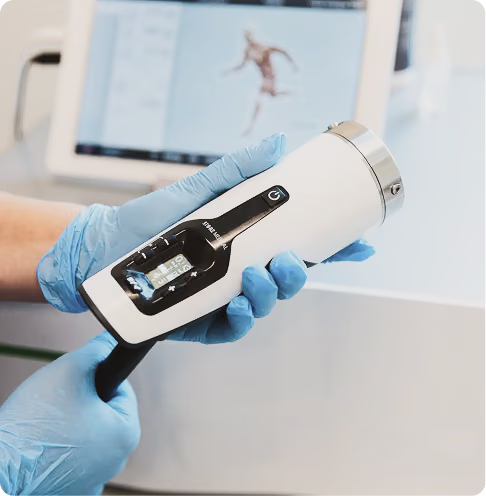
Close-up of a shockwave therapy device used in non-invasive erectile dysfunction treatment, designed to improve blood flow and stimulate new blood vessel growth at Gameday Men's Health.
Regeneration
Restoration
Best Seller

Shockwave therapy for Erectile Dysfunction

Shockwave therapy uses low-intensity acoustic waves to stimulate new blood vessel growth and tissue regeneration. It’s a safe, non-invasive treatment that improves erectile function, sensation, and long-term performance without medication.

Read More...
SEE TREATMENT
SEE TREATMENT
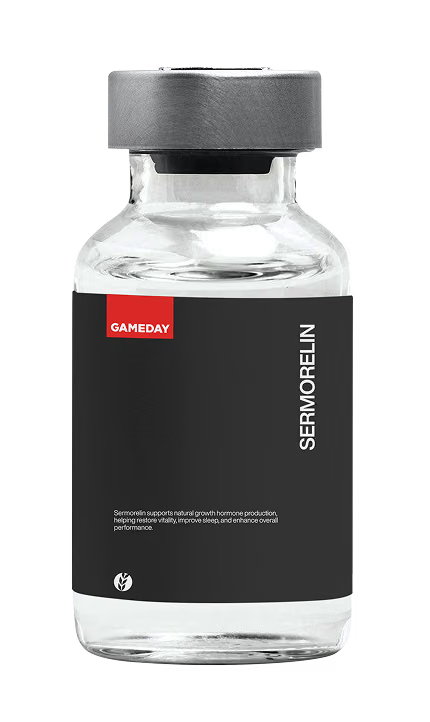
Sermorelin peptide therapy vial used to support growth hormone production at Gameday Men’s Health.
Recovery
Vitality
Best Seller

Sermorelin Peptide Injections

Sermorelin stimulates your body’s natural growth hormone production, supporting lean muscle, enhanced recovery, improved sleep and greater vitality. Ideal for men seeking a restorative, lifestyle-focused approach to aging well and maintaining energy, strength and overall wellness.

Read More...
SEE TREATMENT
SEE TREATMENT
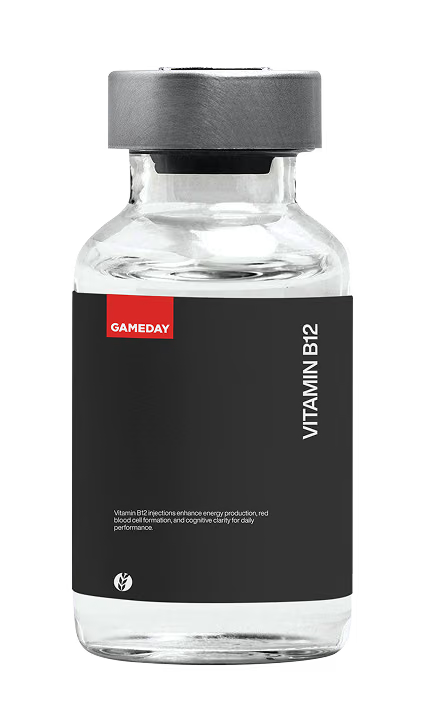
Bottle of Vitamin B12 injection used for energy support and metabolic health at Gameday Men’s Health.
Energy
Best Seller

Vitamin B12 injections

Vitamin B12 injections help boost energy, improve focus and support metabolic health by delivering a potent dose of this essential nutrient directly into your bloodstream. At Gameday we use B12 to support red blood cell and nerve health in men who feel fatigued or need a reliable vitality boost.

Read More...
SEE TREATMENT
SEE TREATMENT
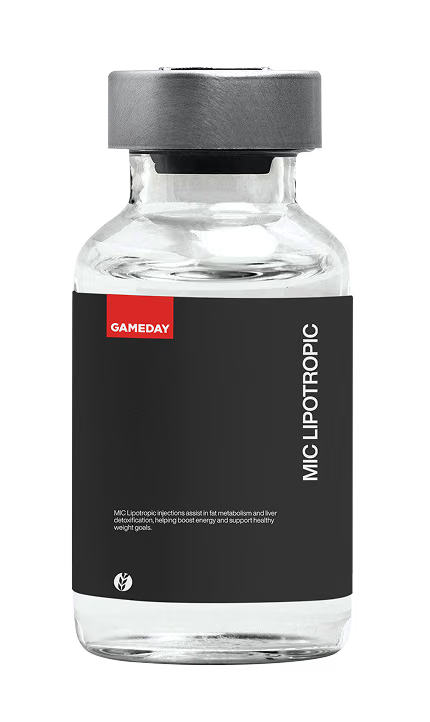
Vial of MIC Lipotropic and B12 injection used for metabolism support and fat-burning treatment at Gameday Men’s Health.
Metabolism Boost
Fat Loss Support
Best Seller

MIC Lipotropic + B12 Injections

MIC B12 injections deliver key nutrients designed to support fat metabolism, improve liver function and enhance overall energy. Ideal for men who train hard, travel often or need an extra metabolic boost, this therapy complements your lifestyle and helps your body make the most of your effort.

Read More...
SEE TREATMENT
SEE TREATMENT
Fit man holding a Clomid pill bottle, highlighting treatment options for boosting testosterone and supporting men’s wellness.Fit man holding a Clomid pill bottle, highlighting treatment options for boosting testosterone and supporting men’s wellness.
Don’t Just Read About It,
Feel The Difference.
Thousands of men have already taken the first step toward stronger energy, better performance, and lasting confidence. The science is real — and the results speak for themselves. Ready when you are.

Related Articles

Man with diabetes holding a pill at home, reflecting how blood sugar control and diabetes can impact erectile function and sexual health.
Can Diabetes Cause Erectile Dysfunction? Understanding the Connection
Can diabetes cause erectile dysfunction? Learn how blood sugar affects erections, why ED is common in diabetic men, and what treatment options are available.
Thoughtful man holding pills as he compares oral testosterone and injectable TRT treatments.
Oral Testosterone vs Injection: Which TRT Option Is Best for You?
Compare oral testosterone vs injections to understand effectiveness, convenience, results, and safety. Learn which TRT method fits your goals and how Gameday Men’s Health creates personalized treatment plans.
Couple enjoying time together in the kitchen, reflecting confidence, intimacy, and sexual health balance.
How to Maintain Sexual Health: A Men’s Guide for 2026
Discover how to maintain sexual health with proven lifestyle habits, hormone balance, stress reduction, and modern men’s health treatments. Learn practical steps to feel confident in 2026.
Man taking an oral TRT medication while considering side effects and long-term hormone health.
Oral TRT Side Effects: What Men Should Know in 2026
Learn the most common oral TRT side effects, how modern oral testosterone works, and how medical monitoring keeps treatment safe. Explore your personalized TRT options.
Man’s hand holding a vitamin supplement designed to support libido and sexual health.
Best Vitamins for Men’s Sexual Health
Discover the best vitamins for men’s sexual health. Learn how key nutrients support libido, testosterone, energy, and performance — and when to seek professional help.
Thoughtful man standing by a window, reflecting on erectile dysfunction treatment options and long-term sexual health.
How to Cure Erectile Dysfunction: What Men Need to Know
Can erectile dysfunction be cured? Learn what causes ED, which types are reversible, and what treatments actually work for long-term improvement.
Man and woman sitting apart on a bed looking concerned, illustrating relationship stress related to erectile dysfunction and medication side effects.
Does Lisinopril Cause Erectile Dysfunction?
Does lisinopril cause erectile dysfunction? Learn how blood pressure medications affect erections, what the research shows, and what men can do if ED occurs.
Thoughtful man reading while seated on the floor, reflecting proactive steps toward erectile dysfunction prevention.
How to Prevent Erectile Dysfunction
Learn how to prevent erectile dysfunction by reducing risk factors, improving lifestyle habits, and addressing health issues early.
Stressed man sitting at his office desk, illustrating how chronic stress and mental fatigue can contribute to erectile dysfunction in men.
Can Stress Cause Erectile Dysfunction?
Can stress cause erectile dysfunction? Learn how stress and anxiety affect erections, why stress-related ED is common, and what men can do to improve performance.
Man looking closely in the mirror as he notices early hair loss and thinning at the hairline.
How to Prevent Hair Loss in Men
Learn how to prevent hair loss in men, what causes thinning hair, and which treatments can help slow loss and support regrowth.
Thoughtful man sitting near a window, reflecting on symptoms and concerns associated with dangerously low testosterone levels.
What Is a Dangerously Low Testosterone Level?
What is a dangerously low testosterone level? Learn lab ranges, symptoms, health risks, and when men should seek medical evaluation.
Doctor holding two different pills in each hand, clearly displaying Viagra and Cialis to illustrate the comparison between the two erectile dysfunction medications.
Difference Between Viagra and Cialis: Which Is Right for You?
Learn the key differences between Viagra and Cialis, including onset time, duration, effectiveness, and safety. Find out which ED medication may be right for you.