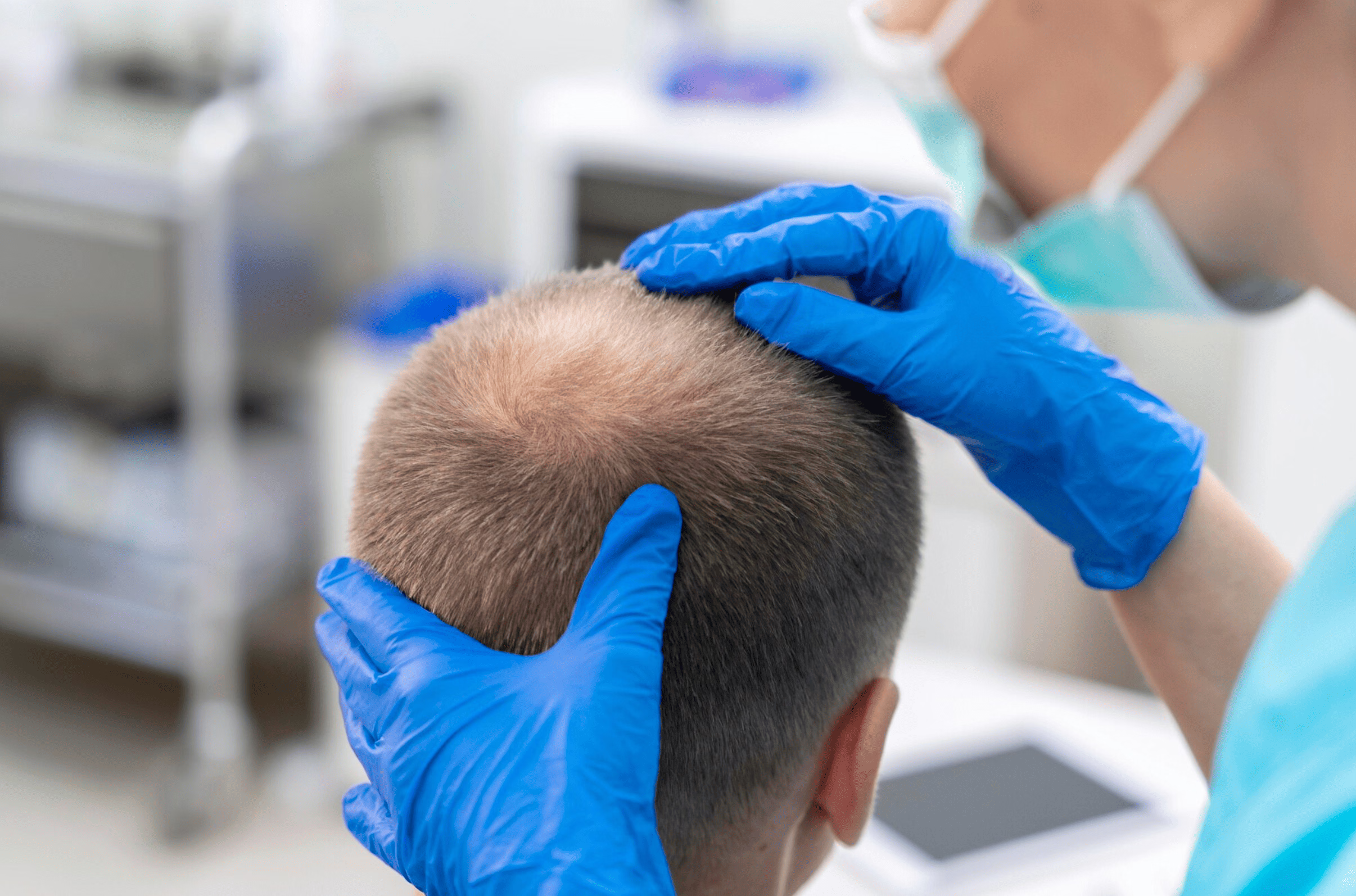
A man consulting with a healthcare professional, symbolizing the importance of monitoring testosterone levels.

What Are Normal Testosterone Levels by Age?

Sep 29th, 2025
1
Min Read

Article / What Are Normal Testosterone Levels by Age?

Every man’s testosterone levels fluctuate as he gets older, and levels can decline as much as 2 percent annually after age 30. (1)  Knowing where your T levels stand and if they’re within the expected range can make a major difference in your health, confidence, and long-term vitality. Tracking hormone levels may be as important as monitoring blood pressure or cholesterol, since testosterone affects muscle strength, mood, energy, and sexual health.

Many men don’t realize they’ve started to lose testosterone until symptoms appear. That’s why understanding normal testosterone levels and how they change by age is so important.  In this guide, we’ll explain what testosterone is, how it’s measured, and what normal levels look like in a testosterone levels chart for each age. We’ll also discuss why testosterone levels decline, the signs of low testosterone to look out for, and when to consider testing and treatment.

What Is Testosterone and How Is It Measured?

Testosterone is the primary male sex hormone. It plays a significant role in regulating maintain lean muscle, bone strength, energy, libido, and your overall well-being.  Testosterone is at work in virtually every system of the body. It also supports heart health, strengthens bones, improves memory and focus, and helps regulate fat distribution. (2)

In the bloodstream, testosterone is measured in two main ways:

  • Total testosterone measures all the testosterone in circulation, most of which is bound to proteins such as sex hormone-binding globulin (SHBG) and albumin.
  • Free testosterone measures the small portion that is not bound to proteins and is available for immediate use by the body.

The distinction between free vs. total testosterone matters because two men could have identical total testosterone numbers, but if one has high SHBG levels, less of his testosterone is “free” and usable. (3) That man might feel the symptoms of deficiency even though his total number looks fine on paper.

Testing is usually performed with a simple blood draw. This test is often scheduled in the morning when testosterone naturally peaks, although the differences become less significant throughout the day for older men. (4) The most common units of measurement are nanograms per deciliter (ng/dL) for total testosterone and picograms per milliliter (pg/mL) for free testosterone.

Reference ranges vary by lab, but most experts agree that:

  • Total testosterone: roughly 300–1,000 ng/dL is considered normal
  • Free testosterone: about 50–210 pg/mL is considered normal

Anything consistently below 300 ng/dL for total testosterone is often classified as hypogonadism, or clinically low testosterone. (5)

Normal Testosterone Levels by Age

Testosterone peaks in early adulthood and gradually declines as men age. For younger men, T levels are typically higher than middle- and older-aged men. One study looked at the average levels of testosterone for men in their 20s and 30s and found that average levels peaked when men were in young adulthood, primarily in the young-to-mid 20s.  (6)

Age GroupAverage Total Testosterone (ng/dL)
20–24409-558
25-29413-575
30-34359-498
35-39352-478

Once men reach their 40s, their levels begin to decline at a more rapid pace. Here is what is generally considered normal ranges of testosterone for men 40 and older. (7)

Age GroupAverage Total Testosterone (ng/dL)
40-49252-916
50-59215-878
60-69196-859
70-79156-819

Some men fall outside these brackets and remain healthy, while others begin experiencing symptoms at the higher end of the “normal” range. That’s why lab testing should always be paired with a discussion of how you feel and a full overview of your health history.

It’s also important to note that while falling below 300 ng/dL total testosterone is considered clinically low,  many men experience the signs of low testosterone even when their numbers are technically within range, so you should always be on the lookout for possible symptoms of low testosterone.

Why Testosterone Declines With Age

Testosterone decline is part of the natural aging process, but the rate and severity vary widely. Several factors explain why men see their numbers shift over time:

  • Hormonal feedback loop changes: The hypothalamus and pituitary gland, which regulate testosterone production, become less efficient with age. This reduces stimulation of the testes, lowering hormone output.
  • Lifestyle influences: Several daily stressors and lifestyle habits can accelerate testosterone decline. Sleep deprivation, poor diet, chronic stress, alcohol, and smoking all suppress hormone production. Lack of regular exercise, especially resistance training, further compounds the problem. (8)
  • Medical conditions: Obesity, type 2 diabetes, thyroid disorders, and cardiovascular disease are strongly associated with lower testosterone. Medications such as opioids and corticosteroids can also reduce levels. (9)
  • Environmental exposures: Endocrine-disrupting chemicals found in plastics, pesticides, and certain household products may interfere with hormone balance over the long term such as by decreasing semen quality and reduce T levels. (10)

For some men, testosterone decline is gradual and manageable with lifestyle adjustments. For others, medical intervention becomes necessary to restore quality of life.

Symptoms of Low Testosterone at Different Ages

The symptoms of low testosterone don’t always appear overnight. Instead, they build slowly. Many men may attribute these symptoms to natural aging or stress. While those can both play a role, it’s important to understand symptom patterns so you can recognize when an issue is more serious.

  • 30s: Men in their 30s often notice fatigue even with adequate sleep, difficulty maintaining workout performance, and slower muscle recovery, which can be an early sign of low testosterone. Brain fog and reduced motivation may also appear, which can negatively impact both their personal and professional life.
  • 40s: As men enter their 40s libido tends to drop noticeably, weight gain becomes harder to control, and some men develop early signs of erectile dysfunction. Mood changes, including irritability or low patience, can also emerge.
  • 50s and beyond: As men grow out of middle-age,  low T symptoms often intensify. These may include muscle loss, reduced bone density, and greater risk of fractures. Emotional changes such as depression or loss of confidence are also more common. Men in this group also face higher risks of metabolic disorders like insulin resistance.

It’s important to note that while these are general guidelines, each situation will be different. Some men may experience more intense symptoms of low T in their 30s or even 20s, while others will see a much more gradual decline that may take decades to have a major impact on day-to-day life.

However, when these shifts do occur, they affect more than physical health. They can influence relationships, productivity at work, and overall life satisfaction. That’s why identifying and addressing the signs of low testosterone early can make such a difference.

When to Get Tested and Treatment Options

As we have seen, testosterone naturally declines over time, meaning not every man with lower-than-average testosterone levels needs treatment or testosterone therapy such as TRT.

But when numerous symptoms combine with low numbers, it’s time to consult a professional. A testosterone blood test can confirm where you stand, and whether further evaluation is needed.

Doctors don’t just look at a single number when making a determination. A thorough evaluation considers:

  • Blood tests for total and free testosterone, with repeat tests confirming results
  • Assessment of symptoms, medical history, and related conditions
  • Review of other hormones, such as thyroid and cortisol, that may impact testosterone balance (11)

If treatment is needed, testosterone replacement therapy can be delivered in several forms:

  • Injections: Administered weekly or biweekly for reliable dosing.
  • Gels or creams: Applied daily for steady absorption.
  • Pellets: Inserted under the skin and replaced every few months.

TRT is not one-size-fits-all, and ongoing medical supervision is critical to avoid side effects and keep levels within safe ranges. Your doctor will also work with you to ensure you are finding the appropriate TRT dosage levels for your needs. In many cases, doctors also recommend lifestyle changes to complement therapy, such as regular resistance training, improved sleep habits, stress management techniques, balanced nutrition, or even counseling for mental health issues such as depression.

At Gameday Men’s Health, our team specializes in helping men regain energy, confidence, and vitality through personalized hormone treatment plans. Whether you’re curious about your baseline or experiencing noticeable symptoms, scheduling a testosterone test with your local Gameday Men’s Health location is the best first step.

Taking Control of Your Testosterone Health

Testosterone is central to men’s health at every age. It can play a major role in influencing energy, mood, strength, and performance in the bedroom. While normal testosterone levels vary by age, consistently low results paired with multiple symptoms may signal the need for professional evaluation.

By understanding how levels change over time, recognizing the signs of low testosterone, and taking proactive steps, men can protect their long-term health and quality of life. If you’re ready to learn your numbers and take control of your health, contact your local Gameday Men’s Health clinic today.


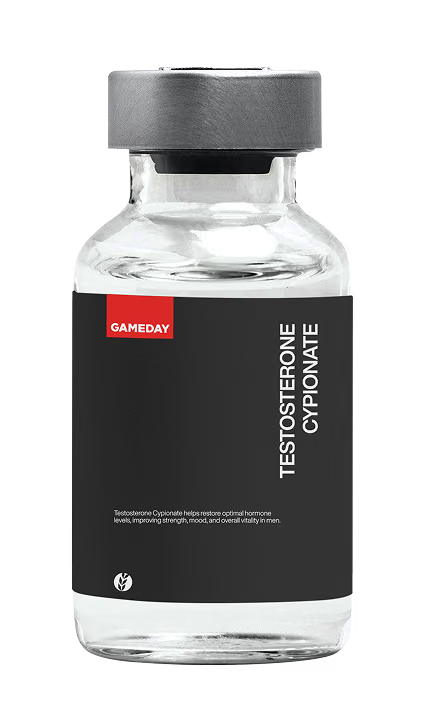
Close-up of a bottle of Testosterone Cypionate, a long-acting injectable testosterone medication prescribed to men seeking to restore hormone balance, energy, and vitality at Gameday Men's Health.
Steady Support
Strength
Best Seller

Testosterone Cypionate Injections

Testosterone Cypionate provides long-acting hormone support through periodic injections that maintain steady testosterone levels. This option enhances muscle strength, bone health and overall vitality. Beneficial for men with confirmed hormone deficiency and performance-focused goals.

Read More...
SEE TREATMENT
SEE TREATMENT
Two prescription bottles side by side, one containing Clomid and the other Enclomiphene, representing medically guided treatments for low testosterone levels at Gameday Men's Health.
Hormone Balance
Fertility
Best Seller

Clomid / Enclomiphene

Clomid and Enclomiphene work by stimulating your body’s hormonal response to naturally boost testosterone and support fertility. Ideal for men who want to reclaim hormone balance without traditional testosterone injections, this protocol supports libido, sperm health and vitality through guided care.

Read More...
SEE TREATMENT
SEE TREATMENT
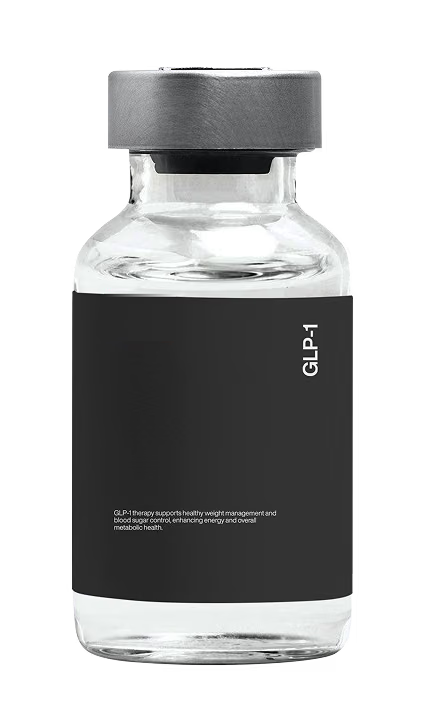
GLP-1 medication vial used for weekly weight loss injections at Gameday Men’s Health.
Balance
Best Seller

GLP-1 Medications

GLP-1 therapy supports appetite regulation and blood sugar control to help men achieve steady, sustainable weight loss and improved metabolic health. For men who have tried diet and exercise yet still struggle with excess weight or energy dips, GLP-1 offers a medically-supervised option that aligns with performance, wellness and hormonal balance.

Read More...
SEE TREATMENT
SEE TREATMENT
Semaglutide medication vial for medical weight-loss treatment at Gameday Men's Health.
Weight Loss
Appetite Control
Best Seller

Semaglutide

Semaglutide is a GLP-1 medication that helps reduce appetite, curb cravings, and improve metabolic function to support steady, sustainable weight loss. By slowing gastric emptying and improving insulin response, semaglutide makes it easier for men to stay consistent with nutrition and see meaningful progress. At Gameday Men’s Health, semaglutide is integrated into a personalized weight-management program designed to help men lose weight safely and effectively.

Read More...
SEE TREATMENT
SEE TREATMENT
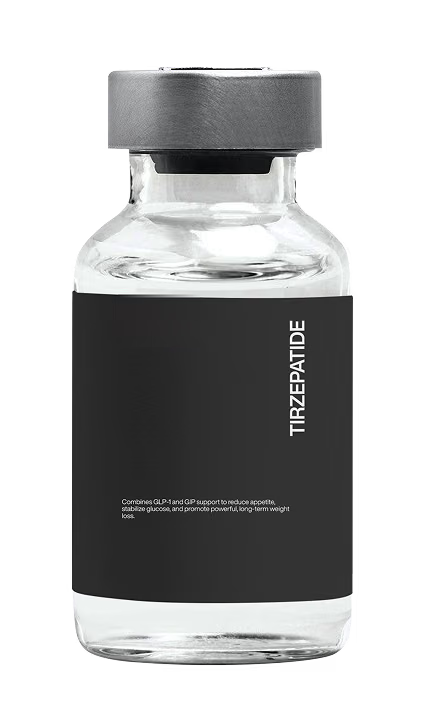
Gameday Men’s Health Tirzepatide injection vial designed for medical weight loss, appetite control, improved metabolic health, and long-term weight management support.
Metabolism Boost
Appetite Control
Best Seller

Tirzepatide

Tirzepatide is a dual-action metabolic therapy that supports weight control by improving insulin sensitivity, reducing appetite, and enhancing satiety. It helps regulate blood sugar levels and supports steady fat loss when combined with proper nutrition and lifestyle habits. This option is ideal for men seeking a guided, medically supervised approach to sustainable weight-management results.

Read More...
SEE TREATMENT
SEE TREATMENT
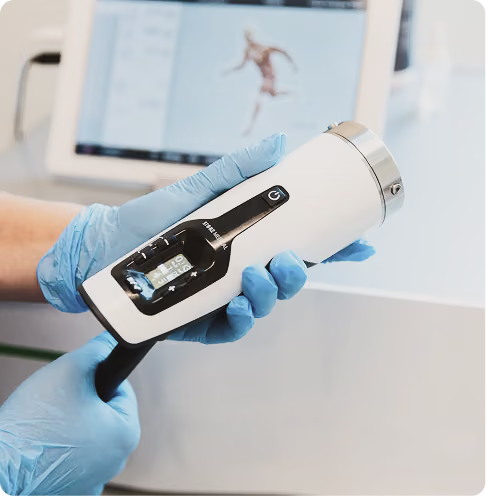
Close-up of a shockwave therapy device used in non-invasive erectile dysfunction treatment, designed to improve blood flow and stimulate new blood vessel growth at Gameday Men's Health.
Regeneration
Restoration
Best Seller

Shockwave therapy for Erectile Dysfunction

Shockwave therapy uses low-intensity acoustic waves to stimulate new blood vessel growth and tissue regeneration. It’s a safe, non-invasive treatment that improves erectile function, sensation, and long-term performance without medication.

Read More...
SEE TREATMENT
SEE TREATMENT
Sermorelin peptide therapy vial used to support growth hormone production at Gameday Men’s Health.
Recovery
Vitality
Best Seller

Sermorelin Peptide Injections

Sermorelin stimulates your body’s natural growth hormone production, supporting lean muscle, enhanced recovery, improved sleep and greater vitality. Ideal for men seeking a restorative, lifestyle-focused approach to aging well and maintaining energy, strength and overall wellness.

Read More...
SEE TREATMENT
SEE TREATMENT
Bottle of Vitamin B12 injection used for energy support and metabolic health at Gameday Men’s Health.
Energy
Best Seller

Vitamin B12 injections

Vitamin B12 injections help boost energy, improve focus and support metabolic health by delivering a potent dose of this essential nutrient directly into your bloodstream. At Gameday we use B12 to support red blood cell and nerve health in men who feel fatigued or need a reliable vitality boost.

Read More...
SEE TREATMENT
SEE TREATMENT
Vial of MIC Lipotropic and B12 injection used for metabolism support and fat-burning treatment at Gameday Men’s Health.
Metabolism Boost
Fat Loss Support
Best Seller

MIC Lipotropic + B12 Injections

MIC B12 injections deliver key nutrients designed to support fat metabolism, improve liver function and enhance overall energy. Ideal for men who train hard, travel often or need an extra metabolic boost, this therapy complements your lifestyle and helps your body make the most of your effort.

Read More...
SEE TREATMENT
SEE TREATMENT
Fit man holding a Clomid pill bottle, highlighting treatment options for boosting testosterone and supporting men’s wellness.Fit man holding a Clomid pill bottle, highlighting treatment options for boosting testosterone and supporting men’s wellness.
Don’t Just Read About It,
Feel The Difference.
Thousands of men have already taken the first step toward stronger energy, better performance, and lasting confidence. The science is real — and the results speak for themselves. Ready when you are.

Related Articles

Man with diabetes holding a pill at home, reflecting how blood sugar control and diabetes can impact erectile function and sexual health.
Can Diabetes Cause Erectile Dysfunction? Understanding the Connection
Can diabetes cause erectile dysfunction? Learn how blood sugar affects erections, why ED is common in diabetic men, and what treatment options are available.
Thoughtful man holding pills as he compares oral testosterone and injectable TRT treatments.
Oral Testosterone vs Injection: Which TRT Option Is Best for You?
Compare oral testosterone vs injections to understand effectiveness, convenience, results, and safety. Learn which TRT method fits your goals and how Gameday Men’s Health creates personalized treatment plans.
Couple enjoying time together in the kitchen, reflecting confidence, intimacy, and sexual health balance.
How to Maintain Sexual Health: A Men’s Guide for 2026
Discover how to maintain sexual health with proven lifestyle habits, hormone balance, stress reduction, and modern men’s health treatments. Learn practical steps to feel confident in 2026.
Man taking an oral TRT medication while considering side effects and long-term hormone health.
Oral TRT Side Effects: What Men Should Know in 2026
Learn the most common oral TRT side effects, how modern oral testosterone works, and how medical monitoring keeps treatment safe. Explore your personalized TRT options.
Man’s hand holding a vitamin supplement designed to support libido and sexual health.
Best Vitamins for Men’s Sexual Health
Discover the best vitamins for men’s sexual health. Learn how key nutrients support libido, testosterone, energy, and performance — and when to seek professional help.
Thoughtful man standing by a window, reflecting on erectile dysfunction treatment options and long-term sexual health.
How to Cure Erectile Dysfunction: What Men Need to Know
Can erectile dysfunction be cured? Learn what causes ED, which types are reversible, and what treatments actually work for long-term improvement.
Man and woman sitting apart on a bed looking concerned, illustrating relationship stress related to erectile dysfunction and medication side effects.
Does Lisinopril Cause Erectile Dysfunction?
Does lisinopril cause erectile dysfunction? Learn how blood pressure medications affect erections, what the research shows, and what men can do if ED occurs.
Thoughtful man reading while seated on the floor, reflecting proactive steps toward erectile dysfunction prevention.
How to Prevent Erectile Dysfunction
Learn how to prevent erectile dysfunction by reducing risk factors, improving lifestyle habits, and addressing health issues early.
Stressed man sitting at his office desk, illustrating how chronic stress and mental fatigue can contribute to erectile dysfunction in men.
Can Stress Cause Erectile Dysfunction?
Can stress cause erectile dysfunction? Learn how stress and anxiety affect erections, why stress-related ED is common, and what men can do to improve performance.
Man looking closely in the mirror as he notices early hair loss and thinning at the hairline.
How to Prevent Hair Loss in Men
Learn how to prevent hair loss in men, what causes thinning hair, and which treatments can help slow loss and support regrowth.
Thoughtful man sitting near a window, reflecting on symptoms and concerns associated with dangerously low testosterone levels.
What Is a Dangerously Low Testosterone Level?
What is a dangerously low testosterone level? Learn lab ranges, symptoms, health risks, and when men should seek medical evaluation.
Close-up of a man examining his hairline, illustrating early signs and common causes of hair loss in men.
What Causes Hair Loss in Men?
Learn what causes hair loss in men, from genetics and hormones to stress and lifestyle factors, and when professional treatment may help.