Reviewed by: Dr. Hal and Gameday's Medical Advisory Board
Vitamin B12 is one of the most important nutrients for men’s health. However, it can often be overlooked. Vitamin B12 plays a central role in energy production, nerve health, red blood cell formation, and even cognitive performance. (1) While men often focus on protein intake, calories, or supplements for muscle growth, few stop to consider whether they are getting enough of this essential vitamin.
One of the biggest misconceptions about vitamin B12 is where it comes from. Unlike many nutrients that are abundant in fruits and vegetables, B12 is found primarily in animal-based foods, meaning your diet has a direct impact on how much B12 you’re getting. At the same time, diet alone doesn’t always tell the full story. Absorption issues, age, medications, and digestive health all influence how much vitamin B12 your body actually uses. (2)
In this guide, we’ll further examine what vitamin B12 is and why it’s important for men’s health. We’ll also discuss how you can ensure you’re getting enough of this essential vitamin and who is at high risk for a B12 deficiency.
What Is Vitamin B12 and Why Is It Important?
Vitamin B12, also known as cobalamin, is a water-soluble vitamin that supports several critical systems in the body. Because your body cannot produce it on its own, you must obtain it from food or supplements.
One of its primary roles is in red blood cell production. Vitamin B12 helps your body create healthy red blood cells that carry oxygen throughout your bloodstream. Without adequate B12, red blood cells can become abnormally large and inefficient, leading to reduced oxygen delivery and symptoms like fatigue and weakness. (2)
Vitamin B12 is also essential for nervous system function. It helps maintain the protective sheath around nerves, known as myelin. Healthy myelin allows electrical signals to travel efficiently between your brain and the rest of your body. When B12 levels drop too low, nerve signaling can be disrupted, leading to numbness, tingling, balance problems, or cognitive changes. (3)
Vitamin B12 also works alongside other B vitamins to help convert the food you eat into usable energy at the cellular level. It supports DNA synthesis and plays a role in mitochondrial function, which is central to how your cells generate energy. While B12 is not a stimulant, adequate levels are necessary for consistent, sustainable energy throughout the day.
For men balancing family life, career goals, staying fit, and aging-related changes, maintaining optimal B12 levels can make a major difference in their energy levels and how they feel and perform day-to-day.
Foods Naturally High in Vitamin B12
Vitamin B12 is naturally found in animal-based foods. If you regularly consume meat, fish, eggs, and dairy, you may already be getting a reasonable amount of this vitamin. However, the exact content varies by food source.
Below are some of the best natural vitamin B12 foods, organized by category.
- Red meat and organ meats: Beef, especially liver, is one of the richest sources of vitamin B12. Lamb and other red meats also provide significant amounts. Organ meats such as beef liver are particularly dense in B12 and can exceed daily requirements in a single serving. (4)
- Poultry: Chicken and turkey contain moderate levels of vitamin B12. Dark meat generally contains slightly more than white meat.
- Fish and seafood: Salmon, tuna, trout, sardines, and shellfish such as clams are excellent sources. Clams and other shellfish are among the most concentrated natural sources of vitamin B12.
- Eggs: Eggs provide smaller but meaningful amounts of vitamin B12, primarily in the yolk. Whole eggs are more beneficial than egg whites alone when it comes to B12 intake.
- Dairy products: Milk, yogurt, and cheese contain vitamin B12 in varying amounts. Regular consumption of dairy can contribute to overall intake, especially for men who do not typically consume large amounts of meat.
For those who eat a balanced diet that includes a variety of these foods, vitamin B12 intake is typically already adequate for most men. However, quantity is only part of the equation. How well your body absorbs B12 matters just as much.
Fortified Foods Containing Vitamin B12
Because vitamin B12 is not naturally present in plant foods, many products are fortified to help fill the gap. This is especially important for men who are vegetarian or vegan.
Fortified cereals can provide 100 percent or more of the recommended daily intake in a single serving, depending on the brand. Plant-based milk alternatives are often enriched with vitamin B12 to match or exceed the levels found in cow’s milk. Nutritional yeast, when fortified, can also be a convenient addition to meals and snacks.
It is important to check labels to determine what products are fortified with B12. Not all plant-based products are fortified, and B12 content can vary widely. For men who rely heavily on plant-based diets, fortified foods may be essential for preventing deficiency.
How Much Vitamin B12 Do You Need?
For most adult men, the recommended dietary allowance for vitamin B12 is 2.4 micrograms per day. This amount is generally sufficient to maintain healthy blood and nerve function in the average adult. (5)
However, the amount needed may change as men get older. As men age, their ability to absorb vitamin B12 from food often declines. This is partly due to reduced stomach acid production, which is necessary to separate B12 from the proteins in food. Conditions such as atrophic gastritis become more common with age and can interfere with absorption.
It is also important to understand that intake does not always equal absorption. Vitamin B12 absorption requires several steps, including binding to intrinsic factor, a protein produced in the stomach. If any part of this process is impaired, even a diet that appears to have adequate levels on paper may not translate into optimal levels in the bloodstream.
For this reason, some men may require higher intake through fortified foods or supplements, particularly if they are over the age of 50 or have known digestive issues.
Who Is at Risk for Vitamin B12 Deficiency?
Certain groups of men are at higher risk of vitamin B12 deficiency, even if they are mindful about nutrition.
- Older adults: Age-related changes in stomach acid and intrinsic factor production can significantly reduce absorption. (6)
- Vegetarians and vegans: Because vitamin B12 is found naturally in animal products, men who don’t regularly consume these foods as part of their daily diet are at higher risk unless they consistently consume fortified foods or supplements.
- Individuals with digestive conditions: Conditions such as Crohn’s disease, celiac
disease, or a history of gastrointestinal surgery can impair absorption of vitamin B12. (7) - People on certain medications: Long-term use of medications such as proton pump inhibitors, H2 blockers, or metformin can interfere with B12 absorption. (8)
Men who fall into any of these categories should be especially attentive to symptoms and consider periodic testing to ensure they’re getting an adequate amount of vitamin B12.
Signs You May Not Be Getting Enough Vitamin B12
Vitamin B12 deficiency can develop gradually, especially as men grow into middle age. Early symptoms may be subtle and easy to dismiss as stress or typical signs of aging.
Common signs of a potential deficiency may include:
- Fatigue and low energy
- Brain fog or difficulty concentrating
- Numbness or tingling in the hands and feet
- Mood changes, including irritability or low mood
As deficiency progresses, symptoms can become more serious. Severe or prolonged vitamin B12 deficiency can lead to anemia, balance problems, and nerve damage that may cause vision problems or memory loss. In some cases, neurological changes may become permanent if not addressed early. (9)
Because many of these symptoms overlap with other common issues in men, including low testosterone or chronic stress, testing is often the only way to know for certain whether vitamin B12 levels are adequate.
Can You Get Enough Vitamin B12 From Food Alone?
A balanced diet that includes meat, fish, eggs, and dairy often provides sufficient vitamin B12, so most men, especially those under 50, may already be getting enough without needing to make any substantial changes. However, as we’ve discussed, several factors can complicate this picture.
Absorption efficiency decreases with age, even if your diet has not changed. This means your body’s ability to extract and utilize B12 declines with time, even if you’re consuming a healthy amount in your day-to-day diet.
Certain health conditions or medications can also interfere with the complex absorption process. In these cases, simply eating more vitamin B12 foods may not correct the issue. Additionally, some restrictive diets for weight loss or health reasons, such as low-calorie or plant-based eating patterns, may reduce overall B12 intake.
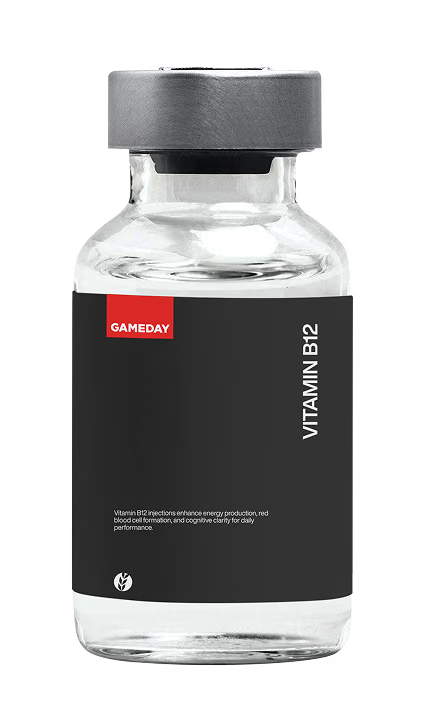
In situations where absorption is impaired, oral supplements at higher doses or even B12 injections may be considered under medical supervision. The key is to not simply guess what your B12 levels are, especially if you are older or if you notice any possible symptoms. Testing from a trusted clinician can provide clarity and help guide an appropriate game plan for combating a deficiency.
When to Consider Vitamin B12 Evaluation
If you are experiencing persistent fatigue, cognitive changes, or unexplained neurological symptoms, it may be time to evaluate your vitamin B12 status.
A simple blood test can measure serum B12 levels. In some cases, additional markers such as methylmalonic acid or homocysteine may be used to assess functional deficiency more accurately.
You may also want to consider testing if you are over 50 and have never had your B12 levels checked, if you take medications that are known to affect absorption, or if you have a history of digestive disorders.
Working with a qualified clinician such as Gameday Men’s Health ensures that results are interpreted correctly and that any supplementation is tailored to your specific needs. Self-diagnosing or over-supplementing without guidance can mask underlying issues or create imbalances.
How Gameday Men’s Health Supports Nutritional Wellness
At Gameday Men’s Health, our focus is not just on treating symptoms but on identifying root causes. Vitamin level testing is part of a comprehensive approach to men’s wellness. By evaluating key markers, including vitamin B12, clinicians can identify deficiencies that may be contributing to fatigue, brain fog, or other symptoms.
Once a deficiency is identified, personalized wellness plans are developed. These may include dietary guidance, supplemental strategies, or vitamin injections for qualified patients.
For men who are already optimizing testosterone, sleep, and fitness, ensuring adequate vitamin B12 levels is another important piece of the puzzle in optimizing health.
Vitamin B12 may not receive as much attention as protein or testosterone, but it is foundational to how your body produces energy, protects nerves, and maintains healthy blood. Understanding the best vitamin B12 foods, recognizing risk factors, and knowing when to test can empower you to take control of your health with confidence.
If you are feeling persistently run down, mentally foggy, or not performing at your best and feel you may benefit from a vitamin B12 test, contact your local Gameday Men’s Health location today to schedule a consultation.