A man sits on a bed, hand on his head, reflecting on low testosterone and depression.

Low Testosterone and Depression: The Evidence-Based Connection

Apr 21st, 2025
1
Min Read

Article / Low Testosterone and Depression: The Evidence-Based Connection

For many men, feeling tired, irritable, or down for no apparent reason can be a frustrating part of daily life. Men who are struggling with energy, mood, or motivation may be experiencing low testosterone, which can contribute to depression.

Both low T and depression are common in men, particularly those over the age of 30. Research has shown that depressive symptoms have been reported in 35-50% of male patients with hypogonadism (low testosterone). (1)

In this article, we’ll dive into the science behind how low testosterone can contribute to depression, and explore real, evidence-based solutions that will help men experiencing these issues feel like themselves again and improve their overall well-being.

What Is Low Testosterone?

Testosterone is often associated with physical strength and sex drive, but it does much more than that. It’s a hormone that plays a central role in regulating metabolism, bone density, energy levels, and your mood.

Testosterone is also important for making sperm, keeping muscles strong, influencing hair growth, making red blood cells, and more. (2)

When testosterone levels drop below the normal range, the condition is known as hypogonadism, or more commonly, low testosterone. While low T is typically associated with older men, it can begin affecting men as early as their 30s, with levels continuing to decline about 1% per year after.

Common Low Testosterone Symptoms

Recognizing the signs of low T is often the first step toward getting help. While symptoms can vary from person to person, they most commonly include:

  • Low energy and persistent fatigue
  • Decreased sex drive or performance issues
  • Mood changes, including irritability and sadness
  • Reduced muscle mass or difficulty maintaining strength
  • Weight gain, particularly around the midsection
  • Trouble focusing or staying motivated
  • Poor sleep quality

These symptoms don’t just affect your body—they can seriously impact your relationships, work performance, and overall quality of life.

Understanding Depression in Men

Depression tends to be thought of as feeling sad or hopeless. However, depression can manifest itself differently in men. Many men may not even realize they’re struggling with depression, because the symptoms often present in ways that aren’t always obvious.

Men are more likely to describe anger, frustration, or withdrawal rather than sadness.

They may throw themselves into work, isolate themselves from loved ones, or develop unhealthy habits to cope. Depression can also present with physical symptoms such as headaches, digestive issues, sleep disruptions, or ongoing fatigue. (3)

Some of the most common depression symptoms in men include:

  • Persistent irritability or anger
  • Loss of interest in hobbies or activities
  • Lack of motivation or concentration
  • Changes in sleep—either sleeping too much or not enough
  • Appetite changes, often leading to significant weight loss or gain
  • Feeling empty, numb, or disconnected

Because the emotional and physical signs of low testosterone and depression often overlap, it’s easy to confuse one for the other—or potentially—miss both entirely.

Low testosterone and anxiety are also linked. (4)  Low testosterone affects mood, sleep, sexual performance, and concentration, all of which can manifest themselves as increased anxiousness and tension.

How Are Low T and Depression Connected?

So, can low T cause depression?  According to a growing body of research, the answer is often yes, particularly in men with clinically low testosterone levels. (1)

Biological Connection: Hormones and Brain Chemistry

Testosterone isn’t just about sex drive and muscle mass. It plays a vital role in regulating mood and cognitive function. Low testosterone levels can disrupt your neurotransmitter balance, especially the levels of dopamine, serotonin, and GABA—three key chemicals that affect motivation, stress response, and emotional stability. (5) (6)

  • Dopamine helps regulate pleasure and reward. Low testosterone has been shown to decrease dopamine activity, which can lead to low motivation and an inability to feel joy—two hallmark symptoms of depression.
  • Serotonin, often called the “feel-good chemical,” is also influenced by testosterone. Low serotonin levels are associated with mood disorders, and studies suggest testosterone may help boost serotonin receptor sensitivity.
  • GABA (gamma-aminobutyric acid) is responsible for calming brain activity. Lower testosterone levels may reduce GABA activity, increasing susceptibility to anxiety and irritability.

Evidence has suggested that the link between low testosterone and depression is particularly prevalent in aging men. Beginning at approximately age 50, men secrete progressively lower amounts of testosterone, and about 20% of men over age 60 have lower-than-normal levels. Data suggest that some depressed older men may also be experiencing low testosterone levels and that some depressed men may improve with androgen treatment. (7)

Can Depression Also Lower Testosterone?

It’s also important to note that depression itself can suppress testosterone production. Chronic psychological stress, sleep deprivation, and elevated cortisol (the body’s stress hormone) can interfere with the brain’s ability to signal the testes to produce testosterone.

This creates a vicious cycle in men’s bodies: low testosterone increases depression risk, and depression can make testosterone drop even further. Many men unknowingly get caught in this loop—treating only one side or the other, not recognizing the missing piece.

How to Tell the Difference Between Low T and Depression

Because the symptoms of low testosterone and depression are so similar, it’s important to understand which condition—or combination of both—is behind what you’re feeling. That’s where testing comes in.

A simple blood test can reveal your total testosterone levels and provide valuable insight into whether a hormone imbalance is contributing to your mental health challenges. You may also be evaluated for other markers like free testosterone, estradiol, and SHBG (sex hormone-binding globulin).

Signs that Low T might be the underlying issue include:

  • Emotional changes with low libido or erectile dysfunction
  • Depression symptoms developed gradually alongside fatigue or weight gain
  • A lack of drive or physical strength without any clear reason
  • Minimal improvement from antidepressants or talk therapy

Testing takes the guesswork out of the equation—and it’s one of the fastest ways to determine if you’re dealing with depression, low testosterone, or both.

Treatment Options

If you’ve discovered that low testosterone may be contributing to your mood changes, the good news is that there are real, effective solutions for men. Whether your symptoms lean more toward classic low testosterone or overlap with depression, the right treatment can make a big difference in your day-to-day moods, stress levels, and sex drive.

The Impact of TRT on Depression

Testosterone Replacement Therapy (TRT) is a medical treatment that restores testosterone to healthy levels using methods like injections, gels, or pellets. It’s tailored to your individual lab results and symptoms—and overseen by qualified providers, such as those at your local Gameday Men’s Health.

TRT for depression can work to replenish testosterone levels in men whose natural production has decreased. This boost in testosterone has a direct impact on brain function, particularly in areas involved in mood regulation, motivation, and emotional stability. When testosterone is restored to normal levels, many men experience happier moods, reduced irritability, and a better overall sense of well-being.

TRT can also play a role in the function of dopamine, serotonin, and GABA (gamma-aminobutyric acid), which can help the brain better process emotions, increasing your resilience to stress and better regulating your emotional health.

Long-Term Benefits of TRT on Mental Health

For men dealing with both low testosterone and depression, TRT can offer long-term benefits by providing sustained relief from depressive symptoms. Unlike medications like antidepressants, which often have side effects and may take weeks to show results, TRT works by directly addressing low testosterone levels quickly and efficiently, which may be a significant cause of mental health-related issues.

TRT also affects mental wellness by increasing motivation, which is often diminished in men suffering from depression. Many men with low testosterone struggle with a lack of enthusiasm for activities they once enjoyed. By restoring testosterone levels, TRT helps restore a sense of vitality, making men feel more motivated to engage in family and work-related tasks and activities.

However, it’s important to note that TRT is not a first-line treatment for depression unless hypogonadism is confirmed. In men with clinically low T, TRT may improve mood but should not replace antidepressants in men with major depressive disorder unless under medical supervision.

Lifestyle Changes

In addition to TRT, certain lifestyle changes can help balance both mood and testosterone levels, including:

  • Regular exercise:  Particularly strength training, which can boost testosterone levels.
  • Eat a balanced diet: Foods rich in healthy fats, protein, and essential nutrients support testosterone production.
  • Get enough sleep: Lack of sleep can lower testosterone levels and negatively impact mood. Aim for 7-9 hours per night.
    Manage stress: Chronic stress can lower testosterone and contribute to feelings of depression. (8)

Reclaiming Your Health Starts with a Simple Test

If you’ve been battling low energy, a sense of emptiness, or unexplained mood changes, don’t ignore what your body’s trying to tell you. Whether the root cause is depression, low testosterone, or a combination of both, getting clarity is the first step toward getting back on track.

At Gameday Men’s Health, we make that first step easy. With complimentary, no-pressure testosterone testing, you’ll get the data you need to make informed decisions about your health—without the hassle or long wait times.

If you’re tired of not feeling like yourself or are simply struggling with sexual health, mood swings, irritability, lack of sleep, or other issues that may be caused by low T or depression, schedule your free testosterone test today at your local Gameday Men’s Health.


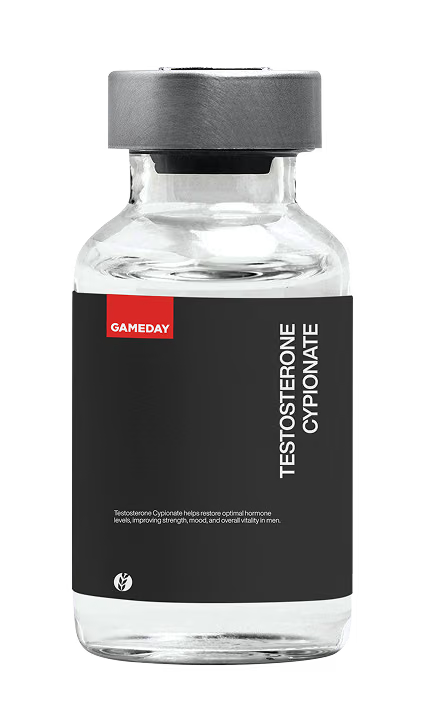
Close-up of a bottle of Testosterone Cypionate, a long-acting injectable testosterone medication prescribed to men seeking to restore hormone balance, energy, and vitality at Gameday Men's Health.
Steady Support
Strength
Best Seller

Testosterone Cypionate Injections

Testosterone Cypionate provides long-acting hormone support through periodic injections that maintain steady testosterone levels. This option enhances muscle strength, bone health and overall vitality. Beneficial for men with confirmed hormone deficiency and performance-focused goals.

Read More...
SEE TREATMENT
SEE TREATMENT
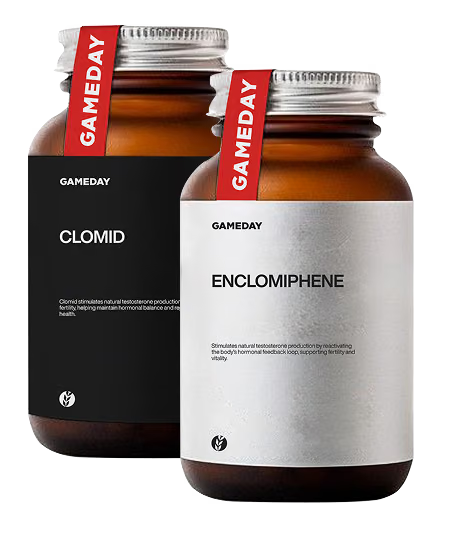
Two prescription bottles side by side, one containing Clomid and the other Enclomiphene, representing medically guided treatments for low testosterone levels at Gameday Men's Health.
Hormone Balance
Fertility
Best Seller

Clomid / Enclomiphene

Clomid and Enclomiphene work by stimulating your body’s hormonal response to naturally boost testosterone and support fertility. Ideal for men who want to reclaim hormone balance without traditional testosterone injections, this protocol supports libido, sperm health and vitality through guided care.

Read More...
SEE TREATMENT
SEE TREATMENT
GLP-1 medication vial used for weekly weight loss injections at Gameday Men’s Health.
Balance
Best Seller

GLP-1 Medications

GLP-1 therapy supports appetite regulation and blood sugar control to help men achieve steady, sustainable weight loss and improved metabolic health. For men who have tried diet and exercise yet still struggle with excess weight or energy dips, GLP-1 offers a medically-supervised option that aligns with performance, wellness and hormonal balance.

Read More...
SEE TREATMENT
SEE TREATMENT
Semaglutide medication vial for medical weight-loss treatment at Gameday Men's Health.
Weight Loss
Appetite Control
Best Seller

Semaglutide

Semaglutide is a GLP-1 medication that helps reduce appetite, curb cravings, and improve metabolic function to support steady, sustainable weight loss. By slowing gastric emptying and improving insulin response, semaglutide makes it easier for men to stay consistent with nutrition and see meaningful progress. At Gameday Men’s Health, semaglutide is integrated into a personalized weight-management program designed to help men lose weight safely and effectively.

Read More...
SEE TREATMENT
SEE TREATMENT
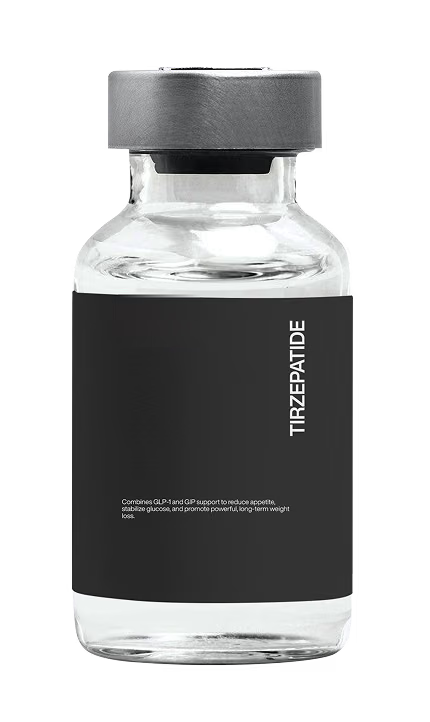
Gameday Men’s Health Tirzepatide injection vial designed for medical weight loss, appetite control, improved metabolic health, and long-term weight management support.
Metabolism Boost
Appetite Control
Best Seller

Tirzepatide

Tirzepatide is a dual-action metabolic therapy that supports weight control by improving insulin sensitivity, reducing appetite, and enhancing satiety. It helps regulate blood sugar levels and supports steady fat loss when combined with proper nutrition and lifestyle habits. This option is ideal for men seeking a guided, medically supervised approach to sustainable weight-management results.

Read More...
SEE TREATMENT
SEE TREATMENT
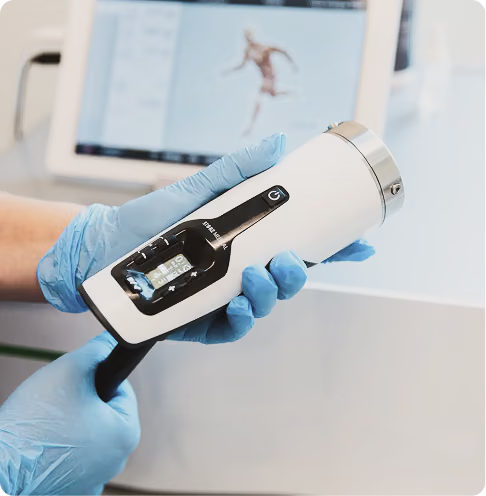
Close-up of a shockwave therapy device used in non-invasive erectile dysfunction treatment, designed to improve blood flow and stimulate new blood vessel growth at Gameday Men's Health.
Regeneration
Restoration
Best Seller

Shockwave therapy for Erectile Dysfunction

Shockwave therapy uses low-intensity acoustic waves to stimulate new blood vessel growth and tissue regeneration. It’s a safe, non-invasive treatment that improves erectile function, sensation, and long-term performance without medication.

Read More...
SEE TREATMENT
SEE TREATMENT
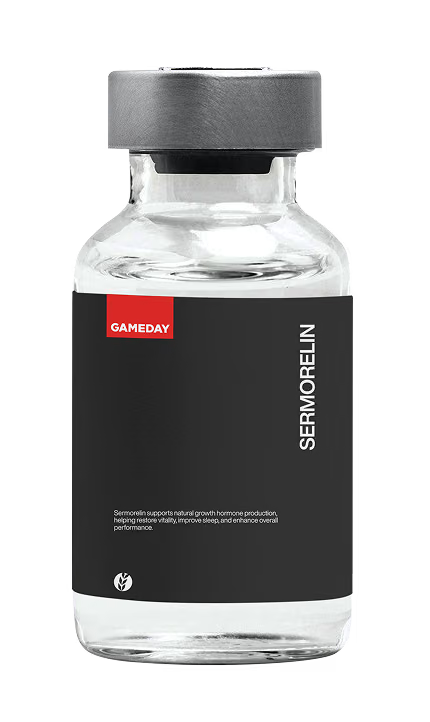
Sermorelin peptide therapy vial used to support growth hormone production at Gameday Men’s Health.

Recovery
Vitality
Best Seller

Sermorelin Peptide Injections

Sermorelin stimulates your body’s natural growth hormone production, supporting lean muscle, enhanced recovery, improved sleep and greater vitality. Ideal for men seeking a restorative, lifestyle-focused approach to aging well and maintaining energy, strength and overall wellness.

Read More...
SEE TREATMENT
SEE TREATMENT
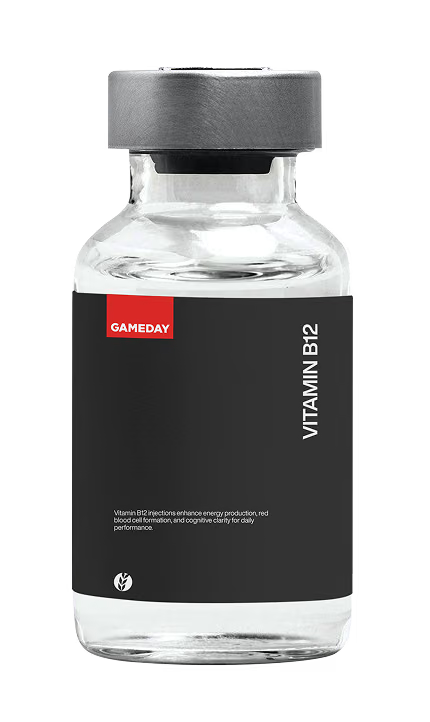
Bottle of Vitamin B12 injection used for energy support and metabolic health at Gameday Men’s Health.

Energy
Best Seller

Vitamin B12 injections

Vitamin B12 injections help boost energy, improve focus and support metabolic health by delivering a potent dose of this essential nutrient directly into your bloodstream. At Gameday we use B12 to support red blood cell and nerve health in men who feel fatigued or need a reliable vitality boost.

Read More...
SEE TREATMENT
SEE TREATMENT
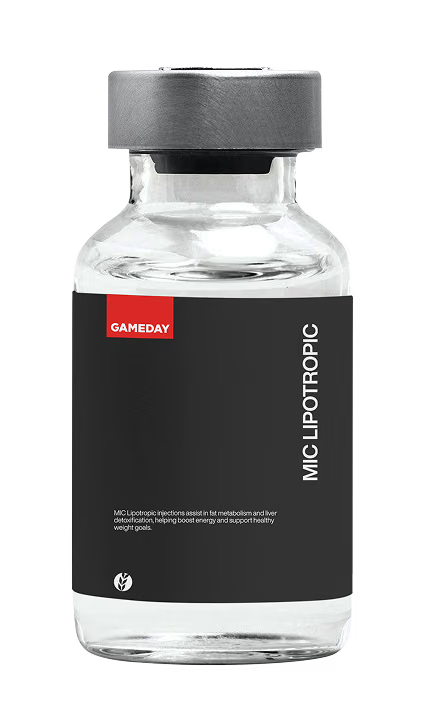
Vial of MIC Lipotropic and B12 injection used for metabolism support and fat-burning treatment at Gameday Men’s Health.
Metabolism Boost
Fat Loss Support
Best Seller

MIC Lipotropic + B12 Injections

MIC B12 injections deliver key nutrients designed to support fat metabolism, improve liver function and enhance overall energy. Ideal for men who train hard, travel often or need an extra metabolic boost, this therapy complements your lifestyle and helps your body make the most of your effort.

Read More...
SEE TREATMENT
SEE TREATMENT
Fit man holding a Clomid pill bottle, highlighting treatment options for boosting testosterone and supporting men’s wellness.Fit man holding a Clomid pill bottle, highlighting treatment options for boosting testosterone and supporting men’s wellness.
Don’t Just Read About It,
Feel The Difference.
Thousands of men have already taken the first step toward stronger energy, better performance, and lasting confidence. The science is real — and the results speak for themselves. Ready when you are.

Related Articles

Man with diabetes holding a pill at home, reflecting how blood sugar control and diabetes can impact erectile function and sexual health.
Can Diabetes Cause Erectile Dysfunction? Understanding the Connection
Can diabetes cause erectile dysfunction? Learn how blood sugar affects erections, why ED is common in diabetic men, and what treatment options are available.
Thoughtful man holding pills as he compares oral testosterone and injectable TRT treatments.
Oral Testosterone vs Injection: Which TRT Option Is Best for You?
Compare oral testosterone vs injections to understand effectiveness, convenience, results, and safety. Learn which TRT method fits your goals and how Gameday Men’s Health creates personalized treatment plans.
Couple enjoying time together in the kitchen, reflecting confidence, intimacy, and sexual health balance.
How to Maintain Sexual Health: A Men’s Guide for 2026
Discover how to maintain sexual health with proven lifestyle habits, hormone balance, stress reduction, and modern men’s health treatments. Learn practical steps to feel confident in 2026.
Man taking an oral TRT medication while considering side effects and long-term hormone health.
Oral TRT Side Effects: What Men Should Know in 2026
Learn the most common oral TRT side effects, how modern oral testosterone works, and how medical monitoring keeps treatment safe. Explore your personalized TRT options.
Man’s hand holding a vitamin supplement designed to support libido and sexual health.
Best Vitamins for Men’s Sexual Health
Discover the best vitamins for men’s sexual health. Learn how key nutrients support libido, testosterone, energy, and performance — and when to seek professional help.
Thoughtful man standing by a window, reflecting on erectile dysfunction treatment options and long-term sexual health.
How to Cure Erectile Dysfunction: What Men Need to Know
Can erectile dysfunction be cured? Learn what causes ED, which types are reversible, and what treatments actually work for long-term improvement.
Man and woman sitting apart on a bed looking concerned, illustrating relationship stress related to erectile dysfunction and medication side effects.
Does Lisinopril Cause Erectile Dysfunction?
Does lisinopril cause erectile dysfunction? Learn how blood pressure medications affect erections, what the research shows, and what men can do if ED occurs.
Thoughtful man reading while seated on the floor, reflecting proactive steps toward erectile dysfunction prevention.
How to Prevent Erectile Dysfunction
Learn how to prevent erectile dysfunction by reducing risk factors, improving lifestyle habits, and addressing health issues early.
Stressed man sitting at his office desk, illustrating how chronic stress and mental fatigue can contribute to erectile dysfunction in men.
Can Stress Cause Erectile Dysfunction?
Can stress cause erectile dysfunction? Learn how stress and anxiety affect erections, why stress-related ED is common, and what men can do to improve performance.
Man looking closely in the mirror as he notices early hair loss and thinning at the hairline.
How to Prevent Hair Loss in Men
Learn how to prevent hair loss in men, what causes thinning hair, and which treatments can help slow loss and support regrowth.
Thoughtful man sitting near a window, reflecting on symptoms and concerns associated with dangerously low testosterone levels.
What Is a Dangerously Low Testosterone Level?
What is a dangerously low testosterone level? Learn lab ranges, symptoms, health risks, and when men should seek medical evaluation.
Close-up of a man examining his hairline, illustrating early signs and common causes of hair loss in men.
What Causes Hair Loss in Men?
Learn what causes hair loss in men, from genetics and hormones to stress and lifestyle factors, and when professional treatment may help.