
- Service
- /Weight Loss
Weight Loss: Look good, feel good
Consistent and sustainable medical weight loss programs that may give you increased energy, confidence, and concrete improvements to your overall health.
%20(1).avif)
Why Medical Weight Loss?
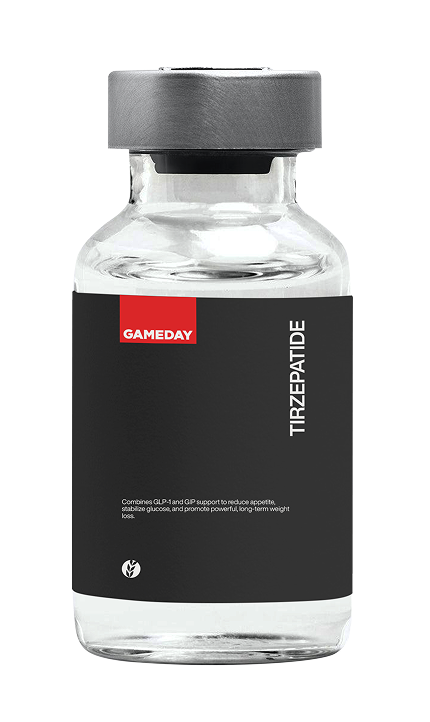
With small weekly injections, you can experience significant weight loss to look and feel your best. In combination with a healthy diet and exercise, you can achieve and maintain maximum results.
Treatments

Jumpstart your body's own human growth hormone (HGH) production with Sermorelin, which helps the growth and regrowth of our bodies’ cells. A safer and more natural way to increase growth hormone than synthetic HGH, Sermorelin has been used for decades to help men fight fatigue and trim stubborn belly fat.
Products may include compounded products which have not been approved by the FDA. The FDA does not verify the safety or effectiveness of compounded drugs.
Helping you ditch the dead weight
Trim down and power up. Our medical weight loss treatments can help shed those stubborn pounds and sculpt your ideal body.

Advanced weight loss treatments
We offer the latest in weight loss science to start the treatment that fits you best.

Noticeable Results
Noticeable losses. Get leaner, and conquer life with your chosen treatment.
.avif)
Medical weight loss specialists
Get effective weight management strategies from men’s health specialists who understand and are ready to support.

World-class clinics
Get your treatments in spaces designed for men. Privacy, comfort, flat screen TVs, and zero fluff.
Blog

No matter who you are, you’re likely dealing with at least some level of stress. Whether it’s related to work, financial responsibilities, family obligations, or even world events, stress can sometimes feel overwhelming. While short bursts of stress are perfectly normal and can be tolerated, chronic stress can take a serious toll on both physical and mental health.
For men, high stress levels can begin to affect performance in the bedroom and cause erectile dysfunction. Erections may feel less reliable, harder to maintain, or absent altogether. When this happens, it is common to wonder whether stress alone can cause erectile dysfunction or if something more serious is going on. (1)
The reality is that stress and erectile dysfunction are closely connected. Erections depend on a precise interaction between the brain, hormones, nerves, blood vessels, and muscles. When stress interferes with any part of that system, sexual performance can suffer.
However, it’s also important to know when stress may be masking an underlying physical condition leading to ED. In this guide, we’ll examine how stress can affect erections, and how to understand the key differences between physically-triggers and psychological-triggered ED.
How Stress Affects Erections
Achieving an erection is not purely physical. Erections begin in the brain and rely on signals being sent smoothly through the nervous system. Stress disrupts this process in several important ways.
When the body perceives stress, it activates the fight-or-flight response. This response evolved to help humans survive danger, not to support sexual function. During fight-or-flight, the body prioritizes systems needed for immediate survival and temporarily suppresses others, which may include arousal.
One of the first changes involves blood flow. Stress causes blood vessels to constrict, redirecting blood toward vital organs like the heart and muscles. As a result, less blood is available for the penis, making it difficult to achieve or maintain an erection. (2)
Stress also interferes with nerve signaling. Erections depend on relaxed smooth muscle and clear communication between the brain and penile nerves. Anxiety and mental distraction can interrupt these signals, preventing the body from responding properly to sexual stimulation. (3)
Hormones can also play a major role. Chronic stress increases cortisol levels, the body’s primary stress hormone. Elevated cortisol over time can suppress testosterone production. Since testosterone supports libido, erectile function, and overall sexual confidence, lower levels can further contribute to erectile difficulties.
In short, stress creates a biological environment that works against healthy erections, even in otherwise healthy men.
Psychological vs Physical Erectile Dysfunction
Erectile dysfunction is often divided into psychological and physical categories, but the distinction is not always so clear-cut.
Stress-related erectile dysfunction is often situational. A man may have normal erections in some circumstances but struggle to reach peak performance during periods of intense stress or anxiety. Also, erections may occur during sleep or masturbation but not during sex with a partner. This pattern often points to a psychological or stress-driven component to ED. (4)
Physical erectile dysfunction tends to be more consistent. For example, men with vascular disease, nerve damage, or hormonal imbalances often experience ongoing difficulties regardless of situation or stress level. (5) When erectile dysfunction is physical, erections may gradually weaken over time rather than fluctuate from day to day.
Many men who suffer from ED experience a combination of both psychological and physical ED. Stress can trigger erectile dysfunction initially, and repeated episodes may then create performance anxiety. In turn, that anxiety can further increase stress, reinforcing the problem. Over time, this cycle can make occasional performance issues feel persistent and overwhelming.
Recognizing that erectile dysfunction is rarely caused by one single factor can help men approach treatment with a more balanced mindset.
Common Stress-Related Triggers for ED
Stress comes in many forms, and not all stress feels the same to the body. Certain types of stress are especially likely to interfere with sexual performance.
Common stress-related triggers for erectile dysfunction include:
- Work pressure, such as working long hours, feeling insecure about your job, or dealing with high-responsibility roles
- Financial stress related to debt, unexpected expenses, or long-term financial planning
- Relationship issues such as unresolved conflict, poor communication, or emotional distance
- Performance anxiety, especially after a previous episode of erectile difficulty
- Poor sleep caused by stress, irregular schedules, or insomnia
These stressors can often overlap and compound one another. For example, work stress may disrupt sleep, which then lowers testosterone and increases irritability. Relationship tension may increase performance anxiety, making erections feel unpredictable. Over time, the body remains stuck in a stress response that undermines sexual function.
Can Stress-Related ED Be Reversed?
In many cases, stress-related erectile dysfunction is temporary and reversible. When stress levels decrease and the nervous system returns to a more balanced state, normal erectile function often returns as well.
However, early attention is important when you feel ED may be related to stress or anxiety. Addressing daily life stressors before they become chronic can prevent long-term patterns of anxiety and avoidance around sex. Men who take proactive steps to managing stress often see improvement not only in their sexual performance, but also in energy, mood, and overall health.
However, stress-related erectile dysfunction should not be fully dismissed without evaluation, especially if the problem continues after stress levels are reduced. Stress can sometimes mask or worsen underlying physical issues such as low testosterone, high blood pressure, or early vascular disease. (6) Identifying these factors early leads to better outcomes and more targeted treatment.
Strategies to Reduce Stress and Improve Erectile Health
While you may not be able to fully eliminate stress, managing it properly and taking active steps to reduce stress levels can help the body recover more efficiently and potentially help prevent ED. Some key strategies for supporting stress reduction and erectile health include:
- Implementing proven stress management techniques such as time prioritization, setting proper boundaries, and cognitive reframing
- Regular physical activity, which lowers cortisol, improves blood flow, and boosts testosterone. Even moderate, consistent movement can have a noticeable impact on sexual performance.
- Optimizing sleep by maintaining consistent bedtimes, limiting screen use at night, and addressing sleep disorders. Chronic sleep deprivation raises cortisol and lowers testosterone, creating a perfect storm for erectile dysfunction.
- Practicing ,mindfulness and relaxation techniques like deep breathing, meditation, or guided relaxation
- Limiting alcohol and stimulants, which can worsen anxiety and interfere with erections
While lifestyle changes alone can be powerful, they work best when paired with medical evaluation and personalized guidance.
When Stress Is Not the Only Cause
Stress rarely exists in isolation. In many cases, it acts as an amplifier for underlying physical conditions that affect erectile function.
Low testosterone, for example, can make men more vulnerable to stress-related erectile dysfunction. Hormonal imbalance may reduce libido and resilience, making it harder for the body to recover from day-to-day stressors.
Vascular issues such as high blood pressure, high cholesterol, or early atherosclerosis can limit blood flow to the penis. (7) Stress-induced blood vessel constriction may worsen these problems, turning mild erectile difficulty into a more noticeable issue.
Metabolic conditions like insulin resistance or diabetes can also contribute by affecting nerves and blood vessels. Stress can further destabilize blood sugar control, compounding the impact on erectile health.
This is why testing, even when stress seems like the most likely cause, is still recommended. Ruling out hormonal or vascular contributors ensures that treatment plans address the full picture rather than just the symptoms.
How Gameday Men’s Health Helps Men with Stress-Related ED
At Gameday Men’s Health, we view erectile dysfunction as a whole-body issue, rather than just a single symptom. Men dealing with ED can benefit from comprehensive evaluation and personalized care in a private, judgment-free environment.
Care begins with a thorough consultation to understand symptoms, stress levels, lifestyle factors, and personal health history. This conversation helps gain further understanding of whether erectile dysfunction is situational, persistent, or a combination of the two.
Hormone and health testing plays a central role. Measuring testosterone levels and other key markers allows providers to identify imbalances that may be contributing to both stress and sexual performance issues.
Based on these findings, a Gameday clinician can then develop a personalized treatment plan, which may include guidance on lifestyle habits, stress management strategies, hormone optimization, or targeted ED therapies. The goal is not just to restore erections, but to improve overall vitality and confidence.
With the right support, many men suffering from ED can regain reliable performance and a healthier relationship with stress itself.
Take Control of Your Sexual Health
If stress is affecting your performance, it’s important to remember that it is not a personal failure. It is a biological response that can be addressed. Erectile dysfunction during stressful periods is common, and in many cases, reversible with the right approach.
Taking action early leads to better outcomes, and a professional evaluation can identify contributing factors, rule out underlying conditions, and provide a clear path forward.
If you’re ready to take back control of your sexual health, contact your local Gameday Men’s Health location today to schedule a consultation.
References
- Can Stress Cause Erectile Dysfunction? Urology FAQ
- Can Stress and Anxiety Cause Erectile Dysfunction?
- Stress and Erectile Dysfunction: 7 Ways to Improve This
- Why Some Men Only Get ED With Penetration (But Not Alone)
- Erectile dysfunction
- Can Stress Cause Erectile Dysfunction?
- What can erectile dysfunction tell you about your heart health?

Erectile dysfunction can be a frustrating sensitive issue for many men. While there can be many causes of ED, including aging, stress, or cardiovascular disease, diabetes is one of the most significant and overlooked contributors.
As many as one in nine people worldwide suffer from diabetes, and many men may not realize their diabetes diagnosis is affecting their sexual health. (1) For some, erectile dysfunction may even be one of the earliest warning signs that blood sugar levels are not well controlled.
Understanding the connection between diabetes and erectile dysfunction is critical because the condition is often preventable, manageable, and in some cases reversible. When addressed early, men can improve not only their sexual performance but also their long-term health, energy levels, and quality of life.
In this guide, we’ll break down how diabetes affects erections, how common diabetic erectile dysfunction really is, and what steps men can take to protect and restore sexual function.
How Diabetes Affects Erectile Function
An erection is the result of a complex interaction between blood vessels, nerves, hormones, and psychological signals. Diabetes can disrupt each part of this process, which explains why erectile dysfunction is so common among men with both type 1 and type 2 diabetes.
Damage to blood vessels
Healthy erections rely on strong blood flow into the penile tissue. Chronically elevated blood sugar damages the lining of blood vessels throughout the body, including the small arteries that supply the penis. Over time, these vessels become narrower and less flexible, making it harder for enough blood to flow in and create a firm erection. (2)
This vascular damage is similar to what causes heart disease and stroke. This connection is why ED in men with diabetes can often be considered an early marker of broader cardiovascular problems.
Nerve impairment
Diabetes can also cause diabetic neuropathy, a form of nerve damage that affects sensation and signaling. The nerves involved in sexual arousal send messages from the brain to the penis to initiate an erection. When these nerves are damaged, those signals may be weaker, delayed, or blocked altogether. (3)
Some men with diabetes may notice reduced penile sensation, difficulty becoming aroused, or trouble maintaining an erection due to impaired nerve function.
Reduced nitric oxide production
Nitric oxide is a key chemical messenger that allows blood vessels in the penis to relax and fill with blood during sexual stimulation. Diabetes interferes with nitric oxide production and availability. Without enough nitric oxide, the smooth muscle in the penile arteries cannot relax properly, limiting blood flow and erection quality. (4)
This mechanism is one reason why oral erectile dysfunction medications like Viagra and Cialis (sildenafil and tadalafil), which work by enhancing nitric oxide pathways, may be less effective in men with poorly controlled diabetes.
Hormonal changes
Men with diabetes are more likely to have low testosterone levels, especially if they also struggle with obesity or insulin resistance. (5) Testosterone plays an important role in libido, energy, mood, and erectile function. Low T levels can reduce sexual desire and make erections more difficult to achieve or sustain.
Additionally, hormonal imbalances can worsen insulin resistance, creating a vicious cycle where diabetes and low testosterone reinforce each other.
How Common Is ED in Men with Diabetes?
Erectile dysfunction is significantly more common in men with diabetes than in those without it. Research consistently shows that diabetic men are several times more likely to experience erectile difficulties at some point in their lives. (6)
Men with diabetes also develop erectile dysfunction earlier in many cases. While ED in non-diabetic men often becomes more prevalent later in life, ED in diabetic men can appear as early as the thirties or forties, and sometimes even sooner if blood sugar control hasn’t been well regulated. Research shows that men with diabetes develop ED 10-15 years earlier than those without the diagnosis. (7)
Severity often increases over time. As diabetes progresses and vascular and nerve damage accumulate, erections may become weaker, less reliable, or absent altogether. This progression underscores the importance of early awareness and management.
Several factors influence how likely a man with diabetes is to develop erectile dysfunction:
- Duration of diabetes, with longer disease duration carrying higher risk
- Level of blood sugar control over time
- Presence of complications such as neuropathy, kidney disease, or cardiovascular disease
- Lifestyle factors like smoking, inactivity, and excess weight
While these factors can be discouraging for some, they also highlight areas where intervention can make a meaningful difference for diabetic men taking back control over their sexual health.
Can Diabetic Erectile Dysfunction Be Reversed?
Whether diabetic erectile dysfunction can be reversed depends on several factors. These include how long the ED has been present and how much underlying damage has already occurred. In early or mild cases, improvements are often possible with better metabolic control and targeted treatment.
Blood sugar control is one of the most important factors. Studies show that men who improve their glucose management can see improvements in erectile function, especially if nerve and blood vessel damage is not yet severe. Better control reduces ongoing damage and allows the body to recover some normal function. (8)
Early intervention is critical. When erectile dysfunction is addressed soon after symptoms begin, treatment tends to be more effective. Ignoring the problem for months or years, hoping it goes away on its own, can allow irreversible vascular and nerve damage to develop, making recovery more difficult.
However, even when full reversal is not possible, most men can still achieve satisfying sexual function with appropriate medical care from a trusted provider, such as Gameday Men’s Health. If ED has been long-standing, the goal shifts from full reversal to optimization, maximizing erectile quality, and improving overall health.
Managing Diabetes to Improve Erectile Health
Managing diabetes effectively is one of the best ways to protect erectile function and improve treatment outcomes. While medications play an important role, lifestyle and daily habits can have a powerful impact on both blood sugar and sexual health.
Consistently keeping glucose levels within target ranges helps prevent further damage to blood vessels and nerves. This includes taking all prescribed medications, monitoring blood sugar regularly, and attending routine medical follow-ups with your provider.
Diet and exercise are equally important. A balanced eating pattern that emphasizes lean protein, vegetables, healthy fats, and controlled carbohydrate intake can stabilize blood sugar and support vascular health. Regular physical activity can also improve insulin sensitivity, circulation, and testosterone levels.
Physical activity can also have a positive impact on weight management, which also plays a key role. Excess body fat, especially around the abdomen, worsens insulin resistance and lowers testosterone. Even modest weight loss can lead to meaningful improvements in both glycemic control and erectile function in many cases.
Sleep and stress reduction are often overlooked factors, but are also extremely important. Poor sleep may increase insulin resistance and disrupt hormones that influence libido and erections. (9) Chronic stress, meanwhile, raises cortisol levels, which can impair testosterone production and blood flow.
Medical Treatments for ED in Men with Diabetes
When lifestyle changes alone are not enough to improve erectile dysfunction, certain medical treatments can be highly effective, depending on the patient. A comprehensive approach that considers diabetes, hormones, and vascular health routinely offers the best results.
Oral erectile dysfunction medications
Phosphodiesterase type 5 inhibitors (like Viagra and Cialis) are commonly used as first-line therapy. These medications enhance blood flow to the penis during sexual stimulation. Men with diabetes may still respond well, although higher doses or different formulations may be needed compared to non-diabetic men.
Effectiveness of PDE5 inhibitors improves when blood sugar is well controlled and cardiovascular health is properly addressed.
Testosterone evaluation
Because low testosterone is more common in men with diabetes, hormone testing is an important part of evaluation. If deficiency is identified and treated appropriately, men may experience improvements in libido, energy, mood, and erectile quality.
Testosterone replacement therapy (TRT) may be a solution. In some instances, studies have shown that TRT can significantly improve symptoms associated with diabetes, which can include ED. (10)
Injectable therapies
For men who do not respond to oral medications, injectable therapies can provide reliable erections by directly relaxing penile blood vessels. These treatments bypass some of the pathways affected by diabetes and can be effective even in cases of significant vascular damage.
Advanced options
In more severe cases, additional therapies such as vacuum erection devices (VEDs) or surgical implants may be considered. (2) These options are typically reserved for men who do not respond to less invasive treatments and should be discussed thoroughly with a qualified provider.
Erectile dysfunction treatment, both for diabetic and non-diabetic men, should not exist in isolation. Addressing underlying metabolic health can improve safety and effectiveness of treatments, and also have a positive impact on other aspects of your overall health.
When to Talk to a Healthcare Provider
Many men often delay seeking help for erectile dysfunction, hoping the problem will resolve on its own. This approach can lead to potentially reversible issues becoming permanent, or much more difficult to change, particularly for men with diabetes.
It is time to talk to a healthcare provider if erectile dysfunction persists for several months, occurs consistently, or worsens over time. ED can be an early sign of poorly controlled diabetes or developing cardiovascular disease, making evaluation important even beyond concerns about performance in the bedroom.
Other reasons to seek care include noticeable changes in energy, libido, mood, or body composition, which may suggest hormonal imbalances. Comprehensive lab testing can reveal issues with blood sugar, testosterone, cholesterol, and other markers that influence both sexual and overall health.
How Gameday Men’s Health Supports Men with Diabetes and ED
Gameday Men’s Health provides a focused, judgment-free environment where men can address ED and diabetes-related concerns with confidence. Our approach is designed to be thorough, personalized, and centered on developing real, long-lasting results.
At our clinics, patients receive treatment that takes into account medical history, lifestyle factors, and specific symptoms. We don’t believe in a simple one-size-fits-all solution for every man. Hormone and metabolic testing can help identify underlying contributors such as low testosterone, insulin resistance, or cardiovascular risk factors.
Based on these findings, personalized treatment plans are developed that may include lifestyle guidance, medication options, hormone optimization, or advanced therapies when appropriate. Ongoing monitoring ensures treatments remain effective and adapt as health changes over time.
By addressing erectile dysfunction within the broader context of metabolic and hormonal health, Gameday Men’s Health strives to help men improve sexual performance while also supporting energy, confidence, and long-term wellbeing.
For men with diabetes, ED can be prevalent, but it doesn’t have to be a permanent consequence of your diagnosis. If you’re ready to take back control over your sexual health, contact your local Gameday Men’s Health location today to schedule a consultation.
References
- Facts & figures
- Erectile dysfunction and diabetes: Take control today
- Diabetic neuropathy
- Erectile dysfunction and diabetes: A melting pot of circumstances and treatments
- Testosterone and the metabolic syndrome
- Erectile Dysfunction in Diabetes Mellitus
- Erectile Dysfunction and Diabetes
- Sex and Diabetes
- The Sleep-Sex Disconnect
- Treatment with Testosterone Therapy in Type 2 Diabetic Hypogonadal Adult Males: A Systematic Review and Meta-Analysis

Erectile dysfunction is a common issue for men, particularly as they age. Worldwide, as many as 322 million men experience some form of erectile dysfunction, and it only becomes more prevalent with age. (1)
However, ED is not necessarily an inevitable symptom of aging. In many cases, erectile dysfunction develops gradually and is closely tied to overall health, circulation, hormone balance, and nerve function. That means prevention of ED is often possible, even with aging men.
Preventing ED focuses on protecting the systems that make erections possible. Healthy blood flow allows the penis to fill and maintain firmness. Balanced hormones support libido and sexual response. Intact nerve signaling ensures proper stimulation and sensation. When one or more of these systems is compromised, erectile function can suffer.
The earlier men take steps to protect these foundations, the lower their long-term risk tends to be. In this guide, we’ll examine what causes ED, why early prevention is so important, and what steps men can take to reduce or, in some instances, fully eliminate, their erectile dysfunction.
What Causes Erectile Dysfunction?
Erectile dysfunction rarely has one single cause. Most cases result from a combination of physical, hormonal, psychological, and lifestyle factors that interfere with normal sexual function. Here are some of the most common causes:
Circulation
Poor blood circulation is one of the most common contributors. Erections depend on strong blood flow through the arteries. Conditions that narrow or stiffen blood vessels, such as atherosclerosis or high blood pressure, reduce the ability to achieve or maintain an erection. (2)
Hormonal Imbalance
Testosterone supports libido, erectile quality, and nitric oxide production, which helps blood vessels relax. Low testosterone can make erections weaker, less frequent, or harder to sustain, especially when combined with other health issues. (3)
Nerve Damage
Nerve damage can disrupt the signals between the brain and the penis. Diabetes, spinal injuries, pelvic surgery, and certain neurological conditions may impair nerve function and contribute to ED. (4)
Chronic Health Conditions
Conditions such as heart disease, diabetes, obesity, metabolic syndrome, and sleep apnea are all associated with higher rates of erectile dysfunction. Many of these conditions share common underlying drivers such as inflammation and insulin resistance. (5)
Psychological Factors
Psychological factors like anxiety, depression, performance stress, and relationship issues can all interfere with sexual response in certain cases. Mental health and physical health are closely linked when it comes to erectile function. (6)
Poor Lifestyle Habits
Certain lifestyle habits like smoking, excessive alcohol use, sedentary behavior, poor sleep, and unhealthy diets may all negatively affect circulation, hormones, and nerve health over time.
Why Prevention Matters
Erectile dysfunction typically develops slowly over time. Early changes may include reduced firmness, inconsistent erections, or longer recovery time between erections. Because these changes happen gradually, many men ignore them until the problem becomes more persistent.
Early intervention can substantially delay or reduce the severity of ED. Addressing risk factors when symptoms are mild often leads to better long-term outcomes than waiting until the ED has become more advanced.
Erectile dysfunction can also serve as an early warning sign of broader health issues. Since the blood vessels in the penis are smaller than those supplying the heart and brain, erectile problems may appear before more serious cardiovascular symptoms develop. (7) In this way, ED can be an early indicator of heart disease, diabetes, or hormonal imbalance.
By focusing on prevention, men enhance their performance in the bedroom while also supporting their long-term cardiovascular, metabolic, and hormonal health.
Lifestyle Changes That Help Prevent ED
Daily habits can have a powerful impact on erectile function in many cases. Many of the same behaviors that protect heart health also support sexual performance. Here are some easy adjustments to make that can enhance sexual wellness.
- Regular physical activity improves circulation, supports hormone balance, and reduces inflammation. Both aerobic exercise and resistance training have been shown to reduce ED risk. (8)
- Maintaining a healthy weight lowers the risk of diabetes, heart disease, and low testosterone, all of which can play a role in erectile dysfunction.
- A heart-healthy diet rich in vegetables, fruits, lean proteins, whole grains, and healthy fats supports blood vessel function and nitric oxide production.
- Quality sleep helps regulate testosterone, cortisol, and insulin, particularly in aging men. Chronic sleep deprivation is associated with lower testosterone and higher ED risk. (9)
- Chronic stress increases cortisol and can interfere with sexual response and hormone balance, making stress and anxiety management critical to ensuring proper erectile function.
- Limiting alcohol supports nerve health and testosterone production. Heavy drinking can impair erections both short term and long term. (10)
- Avoiding smoking protects blood vessels and improves circulation. Smoking is one of the strongest lifestyle risk factors for ED. Some studies indicate current smokers have about a 70 percent higher chance of erectile dysfunction compared to never smokers. (11)
These changes work best when practiced consistently. Small improvements over time can significantly reduce the likelihood of erectile dysfunction.
Managing Health Conditions That Increase ED Risk
Many health conditions that contribute to ED are manageable with proper care. Prevention often depends on controlling these underlying issues before they cause lasting damage. Here are some important things to look out for.
Blood Pressure
Blood pressure control is critical. High blood pressure damages blood vessel walls and reduces blood flow to the penis. Proper management through lifestyle changes and medication when necessary can protect erectile function.
Blood Sugar
Blood sugar management is especially important for men with diabetes or prediabetes. Elevated blood sugar damages both blood vessels and nerves, increasing ED risk. Tight glucose control helps preserve these systems.
Cholesterol
Cholesterol levels also matter. High LDL cholesterol contributes to plaque buildup in arteries, including those supplying the penis. Improving cholesterol through diet, exercise, and medication when appropriate supports healthier circulation.
Hormonal Balance
Hormone balance plays a role beyond testosterone alone. Thyroid hormones, cortisol, and insulin all influence sexual health. Addressing imbalances as soon as they become apparent may help reduce the risk of ED.
Managing these conditions often leads to other improvements beyond sexual function, including overall mood and energy and physical performance during workouts or athletics.
The Role of Testosterone in ED Prevention
Testosterone plays a central role in male sexual health. While low testosterone is not the cause of all erectile dysfunction, it is a significant contributing factor in many cases, especially in middle-aged or older men.
Proper testosterone levels support libido, erectile strength, and nitric oxide production. When levels are low, men may notice a lack of sexual desire, fewer spontaneous erections, and decreased firmness when an erection is present. (12)
When symptoms are present, testing is essential. Along with ED, fatigue, low motivation, increased body fat, mood changes, and reduced muscle mass may also accompany low testosterone. (13)
When it comes to your testosterone levels professional evaluation from a trusted clinic such as Gameday Men’s Health is essential. Testosterone levels fluctuate and should be interpreted in the context of symptoms, age, and overall health. Self-treatment with over-the-counter boosters or online products is often ineffective and may carry risks.
When indicated, addressing low testosterone under medical supervision, such as with testosterone replacement therapy (TRT), may improve sexual health while also supporting bone density, body composition, and overall vitality.
When to Seek Professional Evaluation
Men often ignore the signs of ED and hope the issue will resolve itself. What they’re missing is that early treatment can help lessen the impact of underlying conditions causing ED. Seeking professional help as soon as you notice a problem can prevent unnecessary progression of the issue.
Early signs to watch out for include inconsistent erections, reduced firmness, difficulty maintaining erections, or noticeable changes in libido. These signs may indicate developing vascular, hormonal, or metabolic issues.
Lab testing plays a key role in evaluation. Blood work can assess testosterone levels, blood sugar, cholesterol, and other markers linked to ED risk. Identifying the exact problem allows for more targeted prevention strategies.
Avoiding unverified supplements and online treatments is important. Many products marketed for ED lack scientific support and may contain undisclosed ingredients. Professional care from a trusted source like Gameday helps ensure safety and effectiveness.
How Gameday Men’s Health Supports ED Prevention
Gameday Men’s Health takes a preventive and education-focused approach to erectile dysfunction. Our goal is to help men understand their risk factors and take proactive steps before ED becomes more severe.
Preventive-focused evaluations look beyond symptoms alone. Our clinicians assess cardiovascular health, metabolic markers, hormones, and lifestyle factors that influence erectile function before making a treatment determination.
Hormone and metabolic testing help identify issues causing ED such as low testosterone, insulin resistance, or cholesterol abnormalities. From there, we create personalized health plans built around each individual’s needs and goals. These plans may include lifestyle guidance, medical treatment when appropriate, and ongoing monitoring.
Long-term support allows adjustments as health changes over time. The focus is on sustainable improvements rather than short-term fixes.
Key Takeaways
Erectile dysfunction is a common issue for men, but it is often preventable, especially when addressed early. Because ED develops gradually, small changes in blood flow, hormones, and nerve health can have a meaningful impact.
Healthy lifestyle habits, proper management of chronic conditions, and attention to hormone balance also play important roles in prevention. ED can also serve as an early warning sign of broader health issues, making prevention beneficial beyond sexual performance.
By seeking professional evaluation and taking a proactive approach, many men can reduce their risk of erectile dysfunction while supporting long-term health, confidence, and quality of life. If you’re ready to take back control over your sexual health, contact your local Gameday Men’s Health location today to schedule a consultation.
References
- Erectile Dysfunction
- Sexual dysfunction
- Relationship Between Testosterone and Erectile Dysfunction
- What to know about nerve damage and erectile dysfunction
- Symptoms & Causes of Erectile Dysfunction
- Understanding the Psychological Factors Behind Erectile Dysfunction
- Erectile Dysfunction Is a Hallmark of Cardiovascular Disease: Unavoidable Matter of Fact or Opportunity to Improve Men’s Health?
- Physical Activity to Improve Erectile Function: A Systematic Review of Intervention Studies
- Sleep, testosterone and cortisol balance, and ageing men
- How Alcohol Can Affect Men’s Sexual Function
- Cigarette Smoking as Risk Factor for Erectile Dysfunction: Results from An Italian Epidemiological Study
- Low Testosterone and Sex Drive
- Low Testosterone
No limits—just performance day in and day out
At Gameday, our vision extends beyond health services. Together, we’re creating a world where every man feels empowered to perform his best and live confidently.
Gameday has changed my life. It has helped my marriage, my job, my relationship with life, I mean that, and I am grateful.


I'm 48 years old and have been using TRT for a few months and feel stronger, with more energy. Men don't talk about hormonal changes and the impact in our lives, but it is real. This is an alternative that I definitely recommend.


Start your
best life
Get noticeable results in weeks with personalized treatments, expert guidance, and deep commitment to your well-being.
Frequently Asked Questions
What are the common causes of weight gain in men?
Weight gain in men can happen due to hormonal imbalances, poor diet, lack of exercise, or underlying health issues like low testosterone or thyroid problems. At Gameday, we dig into the root causes of weight gain and create a plan that’s personalized to fit your needs.
Are the weight loss treatments at Gameday personalized?
Absolutely. Every weight loss program at Gameday is customized for each person. We consider your specific health goals, lifestyle, and challenges to build a plan that’s right for you, ensuring a healthy and steady path to weight loss.