Man holding elbow outdoors, representing joint pain potentially linked to low testosterone levels and treatment options at Gameday Men’s Health.

Low Testosterone and Joint Pain: Identifying Root Causes and Finding Relief

May 30th, 2025
1
Min Read

Article / Low Testosterone and Joint Pain: Identifying Root Causes and Finding Relief

Joint pain is a common issue for many men, especially as they age. However, not all joint pain is due to injury or conditions like arthritis. For some, the source of chronic stiffness and discomfort may be linked to something less obvious: low testosterone. While you might associate testosterone health primarily with muscle mass or libido, this essential hormone also plays a crucial role in overall joint health.

If you’re experiencing persistent joint pain without a clear cause, low testosterone could be the hidden culprit. In this article, we’ll discuss how low testosterone can impact joint health and how to tell if your joint pain may be related to hormones.

Understanding Testosterone’s Role in Joint Health

Testosterone plays a crucial role in maintaining bone density and muscle mass, both of which are essential for joint stability and overall mobility. It also supports the health of cartilage, tendons, and ligaments—key components that protect joints from wear and tear. When testosterone levels are adequate, these connective tissues remain strong, helping to prevent stiffness, strain, and injury. However, when testosterone is low, these structures can weaken, leaving joints more vulnerable to discomfort and instability.

Another key role of testosterone is its impact on inflammation. Healthy levels of testosterone help regulate the body’s immune response. This works by suppressing pro-inflammatory cytokines like IL-6 and TNF-alpha, molecules commonly elevated in men with chronic joint pain and autoimmune conditions such as rheumatoid arthritis. (1)

When testosterone levels decline, this anti-inflammatory regulation is disrupted, increasing the likelihood of swelling, discomfort, and joint damage over time.

Low testosterone is typically defined as having levels below 300 nanograms per deciliter (2). When levels dip below this threshold, it can trigger a wide range of symptoms, including:

  • Increased body fat
  • Reduced muscle mass and strength
  • Fatigue and low energy levels
  • Low sex drive and erectile dysfunction
  • Mood swings, depression, and irritability
  • Increased inflammation and pain sensitivity
  • Poor sleep quality and insomnia
  • Memory loss
  • Hair loss (3)

These factors can all contribute to or worsen joint pain, making it more difficult to move freely and comfortably. As testosterone levels decline, especially in men over 30, the impact on joint health can become more pronounced, leading to chronic discomfort and stiffness.

Since testosterone also maintains bone density, low testosterone can also contribute to men experiencing osteoporosis, a bone disease that causes bones to become weak and brittle. (4)

Signs Your Joint Pain Might Be Hormone-Related

Not all joint pain is related to low testosterone. That’s why it’s important to understand some key signs that the two are linked. Some potential factors that could show a link between low testosterone and joint pain include:

  • Fatigue and mood swings: If you’re feeling more tired than usual or struggling with changes in mood in addition to joint discomfort, low testosterone could be at play.
  • Generalized stiffness without clear injury: Joint stiffness that doesn’t stem from a specific injury could be caused by osteoarthritis, which is linked to hormonal imbalances. (5)
  • Slower recovery from workouts or physical activity: If it takes longer than usual for your body to recover after exercise, low testosterone might be a contributing factor.
  • Pain that worsens with age or decreased muscle mass: As you age, you can begin to lose lean muscle mass. This can be compounded by a testosterone deficiency, which can cause joint instability and lead to increased pain.

If you notice these signs, head to your nearest Gameday Men’s Health location for a free hormone test.

Joint Pain from Low Testosterone vs. Other Causes

While joint pain can stem from a variety of causes, there are key differences between low testosterone joint pain and other, more common conditions like arthritis or general injury. Here are some key ways to tell the difference:

FeatureHormone-RelatedArthritis/Injury
OnsetGradual, with other low testosterone symptomsSudden or activity-related
Pain LocationDiffuse or multiple jointsLocalized to one area
Other SymptomsFatigue, low libido, weight gainSwelling, redness, trauma
TreatmentTRT, lifestyle changesNSAIDs, PT, joint procedures

How TRT May Help Reduce Joint Pain

Testosterone replacement therapy can be an effective way to manage joint pain and discomfort linked to low testosterone.

Research has shown that TRT can have a substantial effect on joint pain. In one study, 58% of men participating reported joint pain at the beginning of the study, and that number dropped to 46% after three months of TRT, and just 22% by the nine-month mark. (6)

Here are some ways that TRT can directly impact joint pain recovery:

  • Reducing inflammatory markers: By addressing the underlying hormonal imbalance, TRT helps reduce systemic inflammation, which may contribute to joint pain.
  • Improving muscle strength: Stronger muscles provide better support for your joints, alleviating strain and discomfort.
  • Enhancing mobility and recovery: Patients often report improved energy levels, faster recovery times, and better overall mobility once they begin TRT.

At Gameday Men’s Health, we offer customized TRT programs tailored to each individual’s needs. Many men find significant relief from joint pain and other symptoms after starting therapy, allowing them to move more freely and live with less discomfort.

When to Get Tested for Low Testosterone

If you’re experiencing joint pain along with other symptoms like fatigue, mood changes, low sex drive, or muscle loss, it may be time to get tested for low testosterone. Low testosterone is especially common in men aged 35 and older, as testosterone levels naturally decline with age. (7) Chronic stress can also contribute to hormone imbalances.

A simple blood test can provide insight into your testosterone levels and help determine if low testosterone is the cause of your joint pain. Getting tested is the first step in uncovering the root cause of your symptoms and finding the right treatment for your long-term health.

Testing your testosterone levels is quick and easy. It typically involves a simple blood draw, often done in the morning when testosterone is at its peak. Results can come back within a few days and offer insight into whether your levels fall within the healthy range. At Gameday Men’s Health, testing is fast, non-invasive, and can often be done on your first visit. If your numbers are low, your provider will work with you to create a treatment plan based on your specific symptoms and goals.

Why Choose Gameday Men’s Health for Hormone Support?

At Gameday Men’s Health, we specialize in accurate testosterone testing and provide expert analysis to determine the best course of action. Our customized TRT programs are designed to address not just low testosterone but the full spectrum of symptoms you may be experiencing.

Our team is committed to helping you regain strength, clarity, and comfort, so you can live life to the fullest without the burden of joint pain or other related issues. At Gameday Men’s Health, we focus on a holistic treatment plan that involves:

  • Comprehensive Hormone Testing: Baseline labs provide a clear snapshot of hormone levels, inflammatory markers, and other relevant biomarkers before any treatment begins. This data helps Gameday Men’s Health clinicians determine whether low testosterone is contributing to joint discomfort and guide appropriate, targeted treatment.
  • Tailored Treatment Plans: Your therapy is designed around your body’s needs, not a generic protocol.
  • Safe, Guided Care: All treatments are physician-supervised for safety, results, and peace of mind.
  • Ongoing Support: Our team works with you every step of the way—from check-ins to adjustments and beyond.

Joint Pain and Low Testosterone: Stop Guessing and Start Healing

If you’re struggling with joint pain and suspect that low testosterone may be the cause, don’t wait any longer to take action. Remember, not all joint pain is mechanical, and the pain you’re experiencing may be treatable with targeted hormonal therapy such as TRT.

If you believe your joint pain may be related to low testosterone, don’t guess—schedule your consultation with Gameday Men’s Health to get the answers you need for less pain and better wellness.


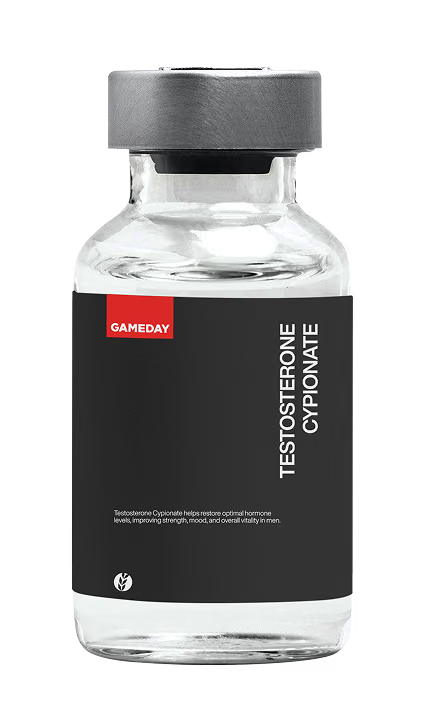
Close-up of a bottle of Testosterone Cypionate, a long-acting injectable testosterone medication prescribed to men seeking to restore hormone balance, energy, and vitality at Gameday Men's Health.
Steady Support
Strength
Best Seller

Testosterone Cypionate Injections

Testosterone Cypionate provides long-acting hormone support through periodic injections that maintain steady testosterone levels. This option enhances muscle strength, bone health and overall vitality. Beneficial for men with confirmed hormone deficiency and performance-focused goals.

Read More...
SEE TREATMENT
SEE TREATMENT
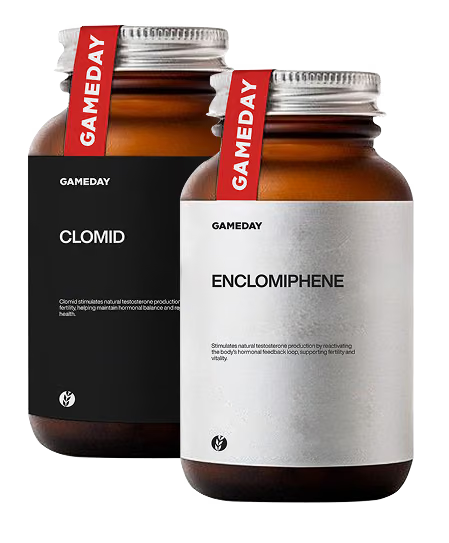
Two prescription bottles side by side, one containing Clomid and the other Enclomiphene, representing medically guided treatments for low testosterone levels at Gameday Men's Health.
Hormone Balance
Fertility
Best Seller

Clomid / Enclomiphene

Clomid and Enclomiphene work by stimulating your body’s hormonal response to naturally boost testosterone and support fertility. Ideal for men who want to reclaim hormone balance without traditional testosterone injections, this protocol supports libido, sperm health and vitality through guided care.

Read More...
SEE TREATMENT
SEE TREATMENT
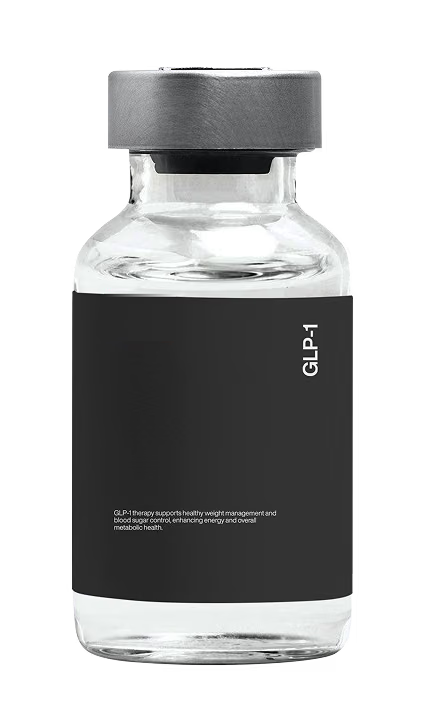
GLP-1 medication vial used for weekly weight loss injections at Gameday Men’s Health.
Balance
Best Seller

GLP-1 Medications

GLP-1 therapy supports appetite regulation and blood sugar control to help men achieve steady, sustainable weight loss and improved metabolic health. For men who have tried diet and exercise yet still struggle with excess weight or energy dips, GLP-1 offers a medically-supervised option that aligns with performance, wellness and hormonal balance.

Read More...
SEE TREATMENT
SEE TREATMENT
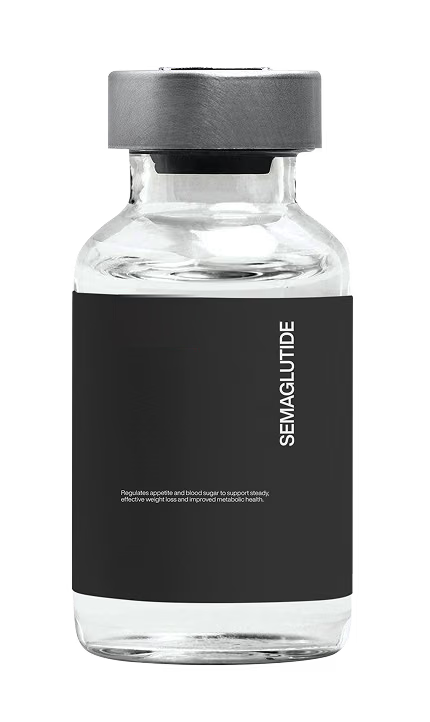
Semaglutide medication vial for medical weight-loss treatment at Gameday Men's Health.
Weight Loss
Appetite Control
Best Seller

Semaglutide

Semaglutide is a GLP-1 medication that helps reduce appetite, curb cravings, and improve metabolic function to support steady, sustainable weight loss. By slowing gastric emptying and improving insulin response, semaglutide makes it easier for men to stay consistent with nutrition and see meaningful progress. At Gameday Men’s Health, semaglutide is integrated into a personalized weight-management program designed to help men lose weight safely and effectively.

Read More...
SEE TREATMENT
SEE TREATMENT
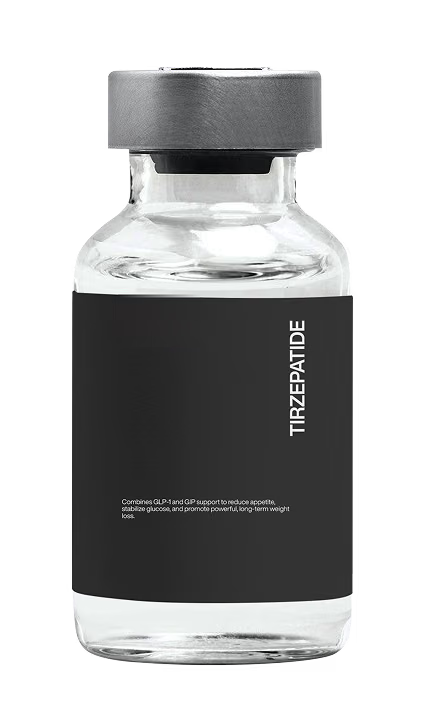
Gameday Men’s Health Tirzepatide injection vial designed for medical weight loss, appetite control, improved metabolic health, and long-term weight management support.
Metabolism Boost
Appetite Control
Best Seller

Tirzepatide

Tirzepatide is a dual-action metabolic therapy that supports weight control by improving insulin sensitivity, reducing appetite, and enhancing satiety. It helps regulate blood sugar levels and supports steady fat loss when combined with proper nutrition and lifestyle habits. This option is ideal for men seeking a guided, medically supervised approach to sustainable weight-management results.

Read More...
SEE TREATMENT
SEE TREATMENT
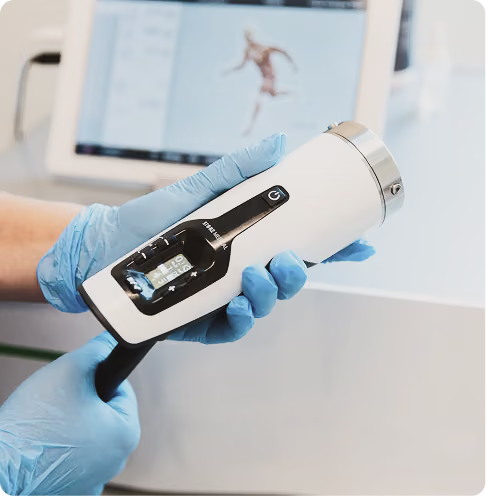
Close-up of a shockwave therapy device used in non-invasive erectile dysfunction treatment, designed to improve blood flow and stimulate new blood vessel growth at Gameday Men's Health.
Regeneration
Restoration
Best Seller

Shockwave therapy for Erectile Dysfunction

Shockwave therapy uses low-intensity acoustic waves to stimulate new blood vessel growth and tissue regeneration. It’s a safe, non-invasive treatment that improves erectile function, sensation, and long-term performance without medication.

Read More...
SEE TREATMENT
SEE TREATMENT
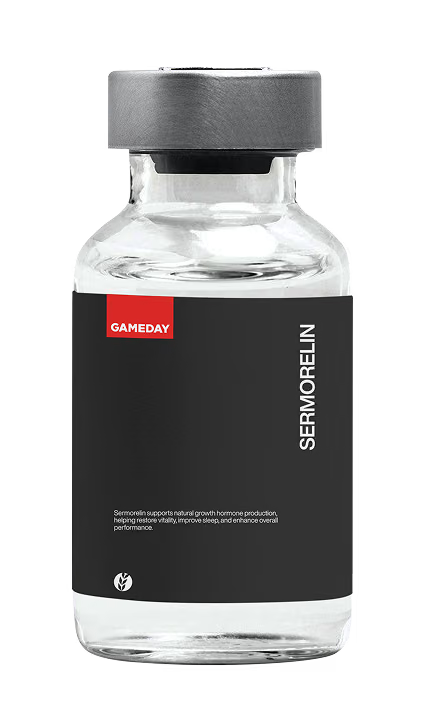
Sermorelin peptide therapy vial used to support growth hormone production at Gameday Men’s Health.
Recovery
Vitality
Best Seller

Sermorelin Peptide Injections

Sermorelin stimulates your body’s natural growth hormone production, supporting lean muscle, enhanced recovery, improved sleep and greater vitality. Ideal for men seeking a restorative, lifestyle-focused approach to aging well and maintaining energy, strength and overall wellness.

Read More...
SEE TREATMENT
SEE TREATMENT
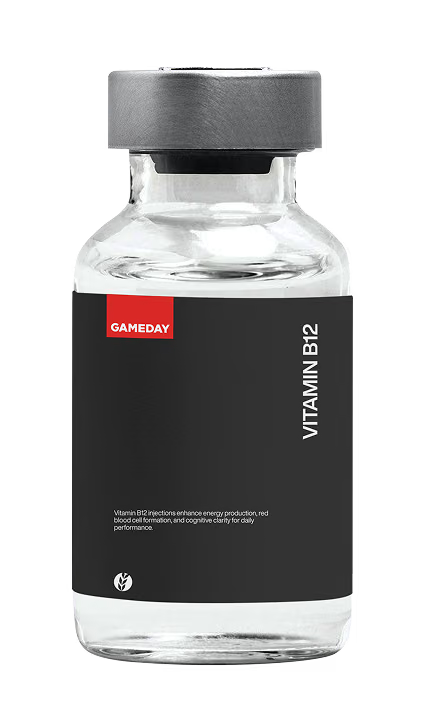
Bottle of Vitamin B12 injection used for energy support and metabolic health at Gameday Men’s Health.
Energy
Best Seller

Vitamin B12 injections

Vitamin B12 injections help boost energy, improve focus and support metabolic health by delivering a potent dose of this essential nutrient directly into your bloodstream. At Gameday we use B12 to support red blood cell and nerve health in men who feel fatigued or need a reliable vitality boost.

Read More...
SEE TREATMENT
SEE TREATMENT
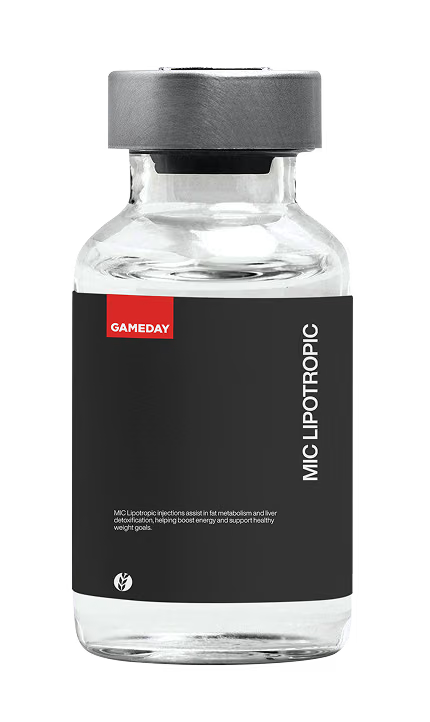
Vial of MIC Lipotropic and B12 injection used for metabolism support and fat-burning treatment at Gameday Men’s Health.
Metabolism Boost
Fat Loss Support
Best Seller

MIC Lipotropic + B12 Injections

MIC B12 injections deliver key nutrients designed to support fat metabolism, improve liver function and enhance overall energy. Ideal for men who train hard, travel often or need an extra metabolic boost, this therapy complements your lifestyle and helps your body make the most of your effort.

Read More...
SEE TREATMENT
SEE TREATMENT
Fit man holding a Clomid pill bottle, highlighting treatment options for boosting testosterone and supporting men’s wellness.Fit man holding a Clomid pill bottle, highlighting treatment options for boosting testosterone and supporting men’s wellness.
Don’t Just Read About It,
Feel The Difference.
Thousands of men have already taken the first step toward stronger energy, better performance, and lasting confidence. The science is real — and the results speak for themselves. Ready when you are.

Related Articles

A man running toward the future with the years 2024, 2025, and 2026 on the road, symbolizing progress in testosterone therapy as he moves toward improved health supported by a TRT clinic.
Kickstart 2026 Wellness: Elevate Men's Health with Gameday
As the new year approaches, focus on setting meaningful health goals. Embrace personalized wellness plans to unlock your best self and achieve optimal performance in 2026.
A man happily standing on a mountain peak, symbolizing renewed confidence and a fresh start thanks to effective ED treatment options for 2026.
Erectile Dysfunction Treatment Options to Start 2026 on a High Note
Explore the best erectile dysfunction treatment options for 2026, including medications, TRT, shockwave therapy, peptides, and more. Learn how to choose the right plan.
Man and woman smiling while lying on a bed, representing improved intimacy through natural ED treatments.
Natural Treatment for Erectile Dysfunction: What Works and What Doesn’t
Explore the best natural treatments for erectile dysfunction, including diet, exercise, supplements, stress reduction, and more. Learn when natural remedies help — and when to see a professional.
Patient smiles as TRT clinic staff review notes nearby.
Your Health Matters: Choosing a Testosterone Replacement Therapy Clinic
Have you been feeling tired, find it difficult to sleep, or have a low sex drive? For many men in their late 30s and older, these can be common symptoms associated with low testosterone levels. Also known as low T, this hormonal imbalance can impact several important aspects of your health and your life.
A close-up of unhealthy foods like fried chicken, burgers, and sugary drinks that contribute to poor blood circulation and worsen erectile dysfunction symptoms in men.
Worst Foods for Erectile Dysfunction: What to Avoid for Better Performance
Learn which foods can worsen erectile dysfunction. Discover how diet affects blood flow, hormone balance, and performance — and what to eat instead.
Man at desk smiling while on phone with notepad in hand.
Why Office Workers Trust Gameday for Testosterone Therapy
Testosterone therapy can help office workers combat symptoms of low testosterone caused by sedentary lifestyles. Learn how it boosts energy, mood, and performance.
Military man in casual wear relaxing on couch with dog in a warm, cozy room.
How Gameday’s TRT Empowers Military Members
Military personnel facing low testosterone can see improved strength, endurance, and mental sharpness through testosterone therapy. Understand its benefits and find tailored treatment options to boost performance and quality of life.
A muscular man preparing a testosterone injection, representing the importance of safe, medically supervised testosterone replacement therapy.
Why Is Testosterone a Controlled Substance? Understanding the Law and Safety
Learn why testosterone is a controlled substance, how it’s regulated, and why medical supervision is essential for safe and legal TRT.
A young man sits on a bed, hand on head, reflecting on ED in young men, with a woman blurred in the background.
ED in Young Men: Overcoming Performance Anxiety and Regaining Confidence
For younger men experiencing ED, psychological factors can negatively impact sexual performance. Read about how to overcome performance anxiety in the bedroom.
Man in good shape stretching, highlighting fitness and weight loss benefits linked with GLP-1 treatments.
Which GLP-1 Is Best for Weight Loss?
GLP-1 medications have quickly become one of the most talked-about breakthroughs in medical weight loss. Originally developed for type 2 diabetes, these injectable treatments have recently been utilized to help patients shed significant weight while improving their metabolic health.
Two men stretching outdoors before a workout as a part of their weight loss journey combined with weight loss injections.
What is the Best Injection for Weight Loss? A Men’s Guide
For decades, the weight loss industry has pushed crash diets, endless cardio, and overpriced supplements. Most men who have struggled with weight loss have tried at least one of these “solutions,” only to watch the weight return over time. However, a new approach has been gaining attention in recent years: weight loss injections. When supported by clinical research and administered under medical supervision, these treatments are helping men lose fat more effectively than most fad diets ever could.
Man in black tank top exercising on outdoor parallel bars by the beach, focused with calm sea and sky behind.
What is TRT? A Complete Beginners Guide
An increasing number of men are experiencing testosterone deficiency – a condition often referred to as “low T.” Recent research suggests that testosterone levels may decrease as rapidly as 2% annually after the age of 30.1 Further findings have shown that the prevalence of low T is as high as 38.7% in men ages 45 or older.